CJP vows to continue ‘fix schools’ campaign after Rajasthan govt restricts access
Source Entity
Latest News: Todays Latest News Headlines from India & World | Hindustan Times | Hindustan Times
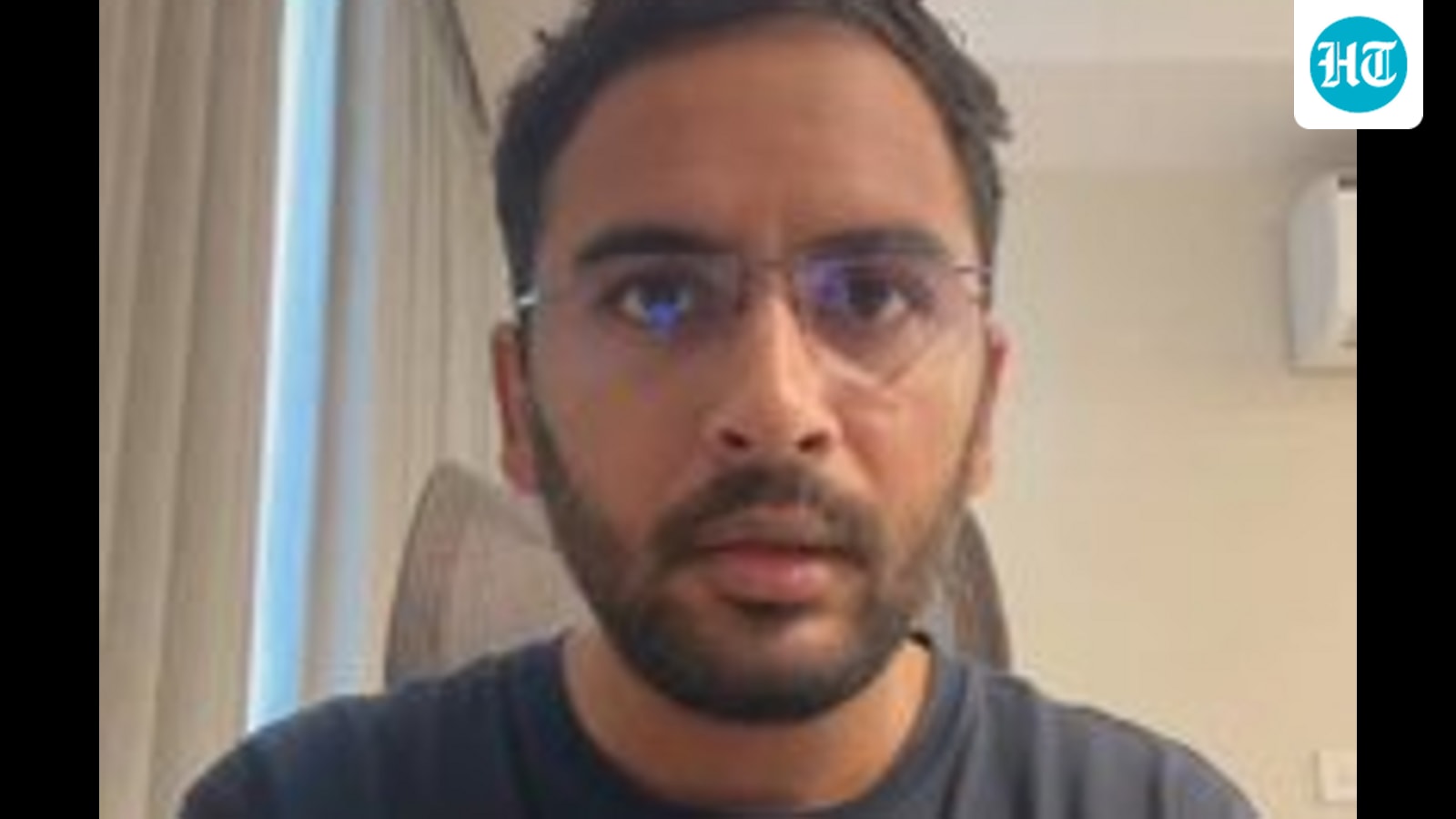
The Cockroach Janta Party (CJP) is facing legislative and administrative hurdles in its campaign to highlight student issues and school conditions. While the Lok Sabha disallowed parliamentary questions regarding their protests, the Rajasthan government has restricted public access to schools to counter their 'School Theek Karo' campaign.
Legislative and Administrative Friction: The CJP Confrontation
The political landscape has seen a sharpening divide between the Cockroach Janta Party (CJP) and government authorities, manifested through both parliamentary obstruction and localized administrative crackdowns. Recent reports indicate that the CJP’s efforts to bring grassroots grievances into the national spotlight are meeting significant institutional resistance.
Parliamentary Roadblocks in the Lok Sabha
During the recent Monsoon Session of the Lok Sabha, the CJP faced a procedural hurdle when three sets of questions submitted by DMK MP Matheswaran V S were disallowed. These questions, which sought clarity on critical issues such as NEET-UG 2026 application fee refunds, systemic public distrust, and the specific welfare of protesting students, were blocked from the floor. This exclusion highlights a growing tension regarding the transparency of government engagement with student movements and the mechanisms available for legislative oversight on youth-centric issues.
The 'School Theek Karo' Campaign in Rajasthan
Simultaneously, the CJP has launched the 'School Theek Karo' (Fix Schools) campaign, spearheaded by spokesperson Ashutosh Ranka. The movement gained momentum following Ranka’s visit to a dilapidated school in Alwar’s Thanagaji, where he addressed grievances related to infrastructure and the lack of basic amenities like drinking water. This push for accountability, however, has triggered an immediate reactionary response from the Rajasthan state administration.
State Restrictions and Privacy Arguments
In a move seen by the CJP as a tactic to evade public scrutiny, the Rajasthan government issued new guidelines restricting the entry of 'outsiders' into government schools. These mandates further prohibit photography and videography on school premises without prior authorization, citing students' privacy as the primary justification. The CJP has characterized these rules as an attempt to shield the government from the reality of the crumbling educational infrastructure they aim to expose.
Broader Implications for Youth Advocacy
The conflict underscores a broader trend where political movements prioritizing infrastructure and student welfare are increasingly clashing with state-enforced administrative barriers. By labeling activists as 'outsiders' and clamping down on visual documentation, the state is effectively narrowing the scope for citizen-led audits of public facilities. The CJP’s insistence on continuing their campaign despite these restrictions suggests a long-term strategy of confrontation aimed at forcing the government to provide written assurances regarding school repairs.
Future Trends and Political Outlook
As the CJP plans to expand its inspection tour to major districts including Jaipur, Jodhpur, and Kota, the confrontation is likely to intensify. The government’s reliance on administrative circulars to curb access will likely be met with further protests, potentially turning the condition of government schools into a central political issue in the region. The ability of the CJP to sustain this campaign will depend on their success in navigating these new legal and bureaucratic constraints while maintaining public support for their demand for structural educational reform.
Verification Required?