From 'Super El Niño' to Europe’s extreme heatwave: How this year's weather shocks are rattling commodity markets
Source Entity
US Top News and Analysis
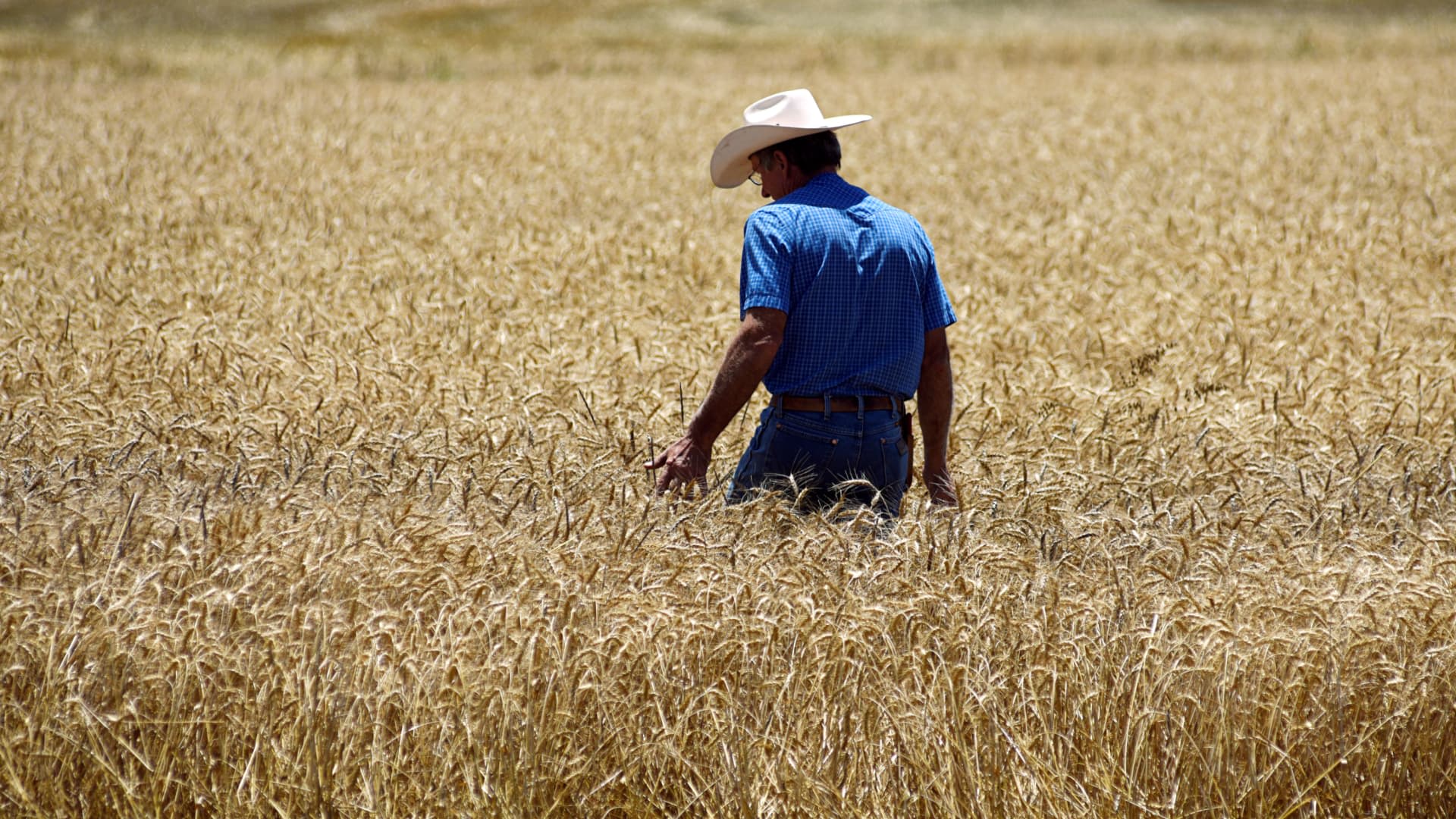
Commodity strategists warn that financial markets are underestimating the impact of climate volatility on asset classes. A predicted strong El Niño and ongoing extreme heatwaves in Europe are expected to disrupt global commodity bets.
The Intersection of Climate Volatility and Global Finance
Global commodity markets are currently facing a period of significant instability as the intersection of long-term climate change and cyclical weather patterns creates a volatile environment for investors. Commodity strategists are sounding the alarm, suggesting that financial markets have fundamentally underestimated the potential impact of climate volatility across various asset classes. This misalignment between meteorological reality and market pricing creates a precarious situation where sudden weather shocks can lead to drastic price swings and financial losses for those betting on stable commodity yields.
The Looming Threat of a 'Strong El Niño'
Central to these concerns is the forecast from the World Meteorological Organization (WMO), which anticipates a "strong El Niño event" in the tropical Pacific between July and September. El Niño is a naturally occurring climate pattern characterized by the unusual warming of sea surface temperatures in the central and eastern tropical Pacific. While cyclical, the intensity of this year's event is particularly concerning because it typically triggers a domino effect of extreme weather globally. By altering atmospheric circulation, El Niño can shift rainfall patterns, leading to devastating droughts in some regions and torrential flooding in others.
Disruption of Commodity Asset Bets
Investment strategists emphasize that the resulting weather extremes—specifically higher temperatures, severe drought, and heavy rainfall—are set to upend traditional bets on commodity assets. Agricultural commodities are the most immediately vulnerable; for instance, drought in key grain-producing regions or flooding in coffee and palm oil belts can lead to supply shortages and price spikes. When markets fail to price in these risks, the eventual correction is often violent, leading to high volatility in futures contracts and a reconfiguration of portfolio risks across the energy and food sectors.
Real-Time Evidence: Europe's Extreme Heat
While El Niño represents a looming threat, the current climate crisis is already manifesting in the Northern Hemisphere. Europe is currently battling a persistent and severe heatwave, with parts of the United Kingdom experiencing an unbroken run of extreme temperatures lasting nearly two weeks. These heatwaves are not merely meteorological anomalies but economic disruptors. Extreme heat can reduce crop yields, strain energy grids due to increased cooling demands, and disrupt logistics, providing a real-time case study of the "climate volatility" that strategists argue the markets are ignoring.
The Gap in Market Pricing and Risk Management
The core issue identified by experts is the gap between scientific warnings and market behavior. Despite the WMO's clear flags, many asset managers continue to rely on historical averages that no longer apply in an era of accelerating climate instability. This underestimation suggests a systemic failure in risk management, where the probability of "black swan" weather events is being treated as too low to warrant hedging. As the frequency of these shocks increases, the ability of markets to absorb these shocks without systemic failure becomes a critical concern for global economic stability.
Conclusion: Toward a Climate-Aware Investment Strategy
In summary, the combination of a powerful El Niño and localized extreme weather, such as Europe's heatwaves, is creating a perfect storm for commodity markets. The warnings from strategists highlight an urgent need for a shift in how asset classes are valued, moving away from static historical models toward dynamic, climate-aware forecasting. As weather shocks become more frequent and severe, the ability to accurately predict and price climate volatility will become the primary differentiator between successful investment strategies and catastrophic losses.