Craft and keyboard: The trainees mastering tech and age-old skills
Source Entity
BBC News
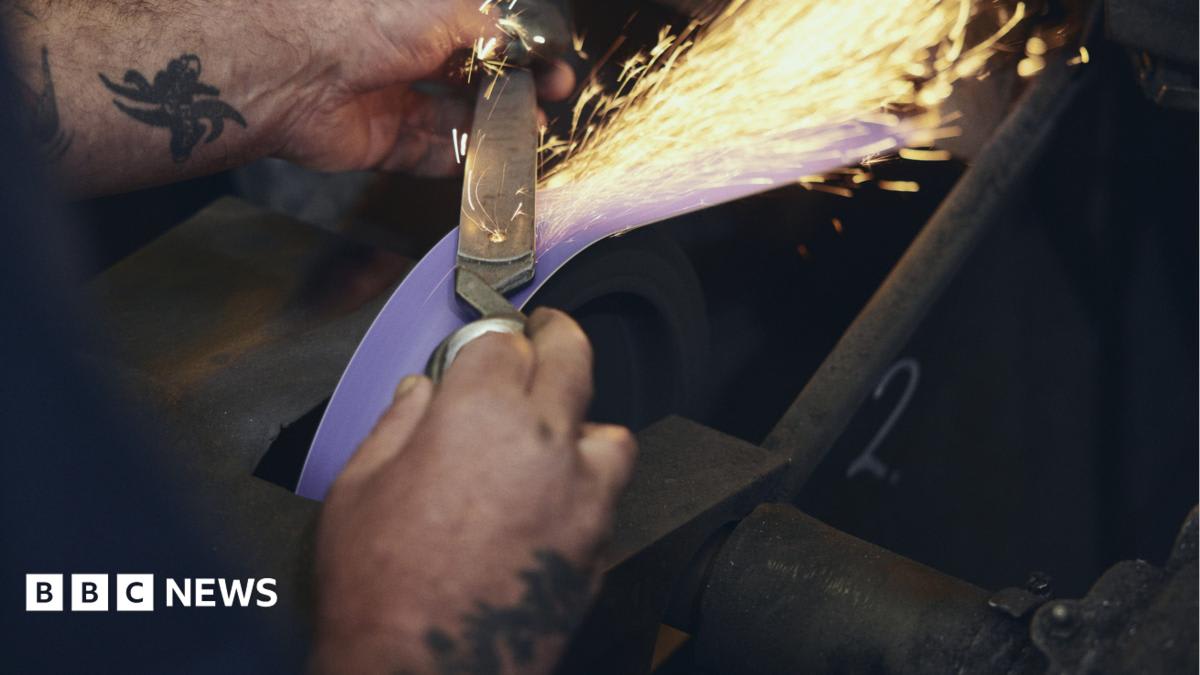
Modern apprenticeship programs are successfully blending traditional mechanical craftsmanship with advanced digital technologies. This hybrid approach ensures the preservation of classic vehicle restoration while equipping workers with future-proof engineering skills.
The Renaissance of Technical Apprenticeships
In an era dominated by rapid digitalization, the case of Ollie Priestley and the Tolman restoration business highlights a compelling shift in vocational training. By pursuing a "heritage vehicle technician" apprenticeship, Priestley represents a new generation of workers who refuse to choose between the tactile satisfaction of mechanical craftsmanship and the efficiency of modern computational tools. This hybrid model of education is becoming essential for niche industries that require the preservation of historical aesthetics alongside the reliability of modern performance.
Bridging the Gap: Traditional Craft vs. Modern Tech
The training program at Tolman is a prime example of the modern industrial evolution. While the core of the work involves restoring classic vehicles—such as the iconic Peugeot 205 GTi—the methodology is profoundly contemporary. Apprentices are no longer limited to manual tools; they are now mastering Computer-Aided Design (CAD) and 3D printing to fabricate components that may no longer be available through traditional supply chains. This integration allows for a level of precision that was previously unattainable, effectively extending the lifespan of classic automobiles.
The Role of Electronics in Restoration
Beyond mechanical fabrication, the curriculum emphasizes the importance of electronic control units (ECUs). Modernizing the electrical heart of a classic car allows these machines to run more reliably while maintaining their original character. This requirement for trainees to understand both the intricacies of combustion engines and complex electronic systems illustrates the broadening scope of modern mechanical apprenticeships. It suggests that the future of automotive work is not purely mechanical, but rather a multidisciplinary field requiring high cognitive flexibility.
Cognitive Engagement and Vocational Satisfaction
For many young workers, the allure of these apprenticeships lies in the tangible nature of the output. Priestley’s experience, specifically the act of fabricating a gearbox mount, highlights the psychological benefits of manual labor combined with digital precision. This "craft and keyboard" approach keeps trainees engaged by providing immediate, physical evidence of their problem-solving skills. As the labor market shifts, roles that offer this level of creative and technical autonomy are likely to see increased demand.
Future Trends and Industry Implications
Looking ahead, the success of this model suggests a blueprint for other skilled trades. As industries like aerospace, architecture, and luxury manufacturing face the loss of traditional expertise, firms will increasingly need to adopt similar blended training structures. By investing in hybrid apprenticeships, businesses can ensure that valuable ancestral knowledge is not lost, but rather enhanced by the capabilities of the digital age. This synergy between the past and the future is not just a trend, but a necessary evolution for sustainable industrial growth.