Court puts Paramount and Warner Bros Discovery’s $81 billion merger on hold for two weeks
Source Entity
The Indian Express
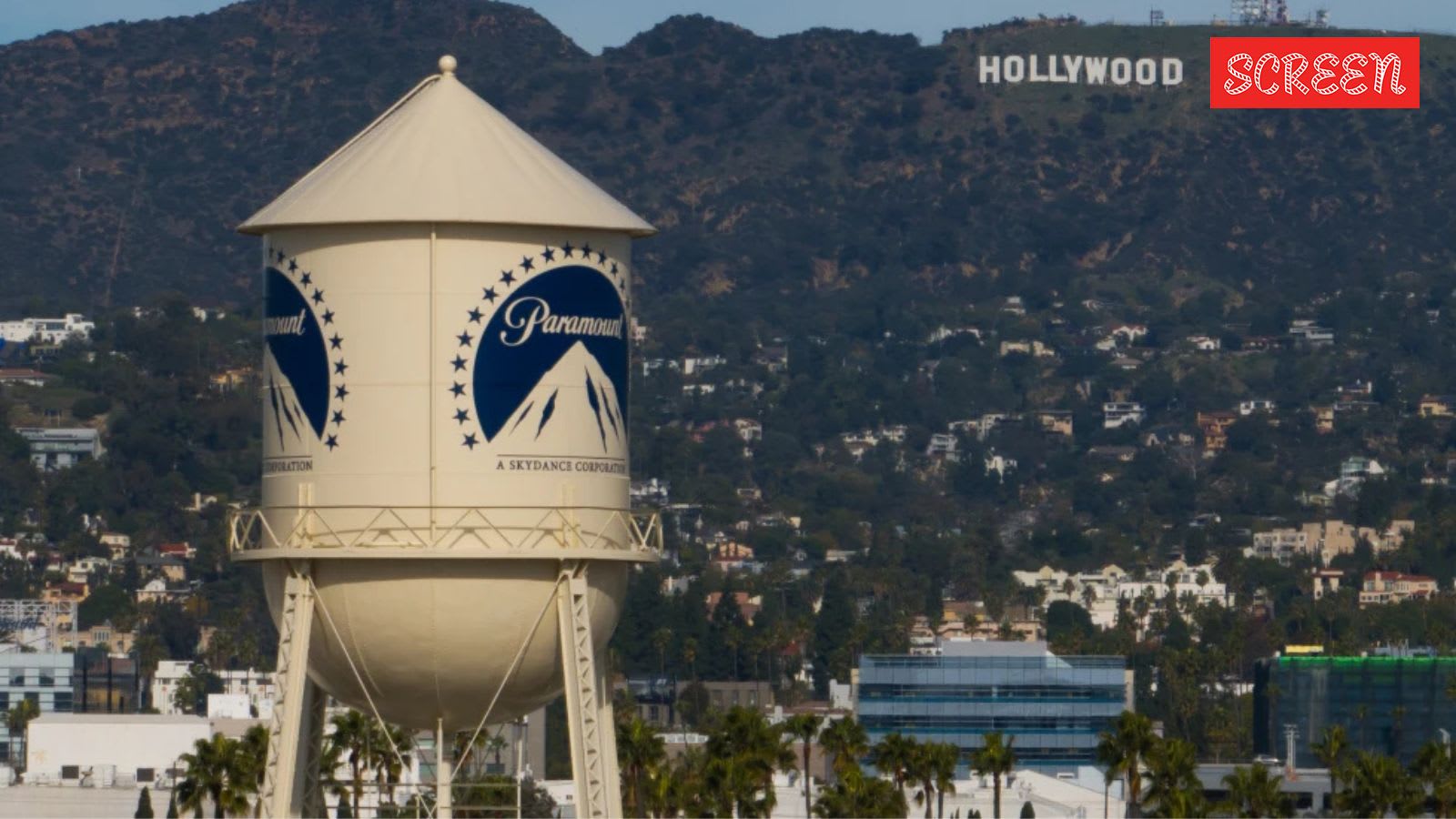
A federal judge has issued a 14-day temporary restraining order halting the proposed multi-billion dollar merger between Paramount and Warner Bros. Discovery. The ruling follows a lawsuit from 12 states, led by California, which argues the consolidation would violate antitrust laws and harm market competition.
Judicial Intervention in Media Consolidation
In a significant development for the entertainment industry, U.S. District Judge Araceli Martínez-Olguín has issued a temporary restraining order halting the proposed merger between Paramount and Warner Bros. Discovery. This judicial action effectively pauses a transaction valued between $81 billion and $111 billion, preventing both entities from completing the deal or consolidating operations for an initial period of 14 days. The ruling serves as a major procedural victory for a coalition of 12 state attorneys general who moved to block the union based on antitrust concerns.
The Antitrust Argument
The core of the legal challenge, led by California and joined by states including New York, Massachusetts, and Washington, centers on the potential for market monopolization. The plaintiffs argue that the merger would "extinguish competition" within the Hollywood landscape. Judge Martínez-Olguín noted in her decision that, based on the projected market share of the combined entity, the court is persuaded that it can presume the merger is likely to violate existing antitrust laws. By granting the restraining order, the court acknowledged the states' claims that the merger could cause "irreparable harm" to the competitive landscape.
Consumer Impact and Market Power
The states’ primary concern is the reduction of choice for consumers, specifically targeting the impact on moviegoers and cable subscribers across the United States. In an era where media conglomerates are increasingly vertically integrated, the consolidation of two major players like Paramount and Warner Bros. Discovery raises alarms about price controls, content availability, and the erosion of independent distribution channels. The plaintiffs contend that such a massive concentration of power would diminish the bargaining leverage of smaller exhibitors and limit the diversity of media offerings available to the public.
Procedural Context and Future Hurdles
While the current restraining order is limited to a 14-day window, its implications are profound. This period allows the court to further evaluate the merits of the case and potentially convert the temporary order into a preliminary injunction. Such an injunction would effectively block the merger indefinitely while the litigation proceeds through the court system. The companies, which had reportedly hoped to push the transaction through despite the opposition, now face the prospect of a prolonged legal battle that could threaten the viability of the entire deal.
The Broader Media Landscape
This legal challenge arrives at a time when the entertainment sector is under intense scrutiny regarding its consolidation trends. Despite the merger having previously received approval from the Trump administration, the intervention by state-level prosecutors highlights a growing trend of decentralized regulatory oversight. By leveraging state antitrust laws, the coalition of 12 states is successfully challenging the federal status quo, signaling a possible shift in how large-scale media mergers will be vetted in the future. As the legal proceedings unfold, the outcome of this case will likely set a critical precedent for how media giants navigate future acquisitions in a tightening regulatory environment.
Multiple Citing Sources