Inflation fears are back in the spotlight as the Middle East conflict keeps oil prices elevated, analysts say
Source Entity
US Top News and Analysis
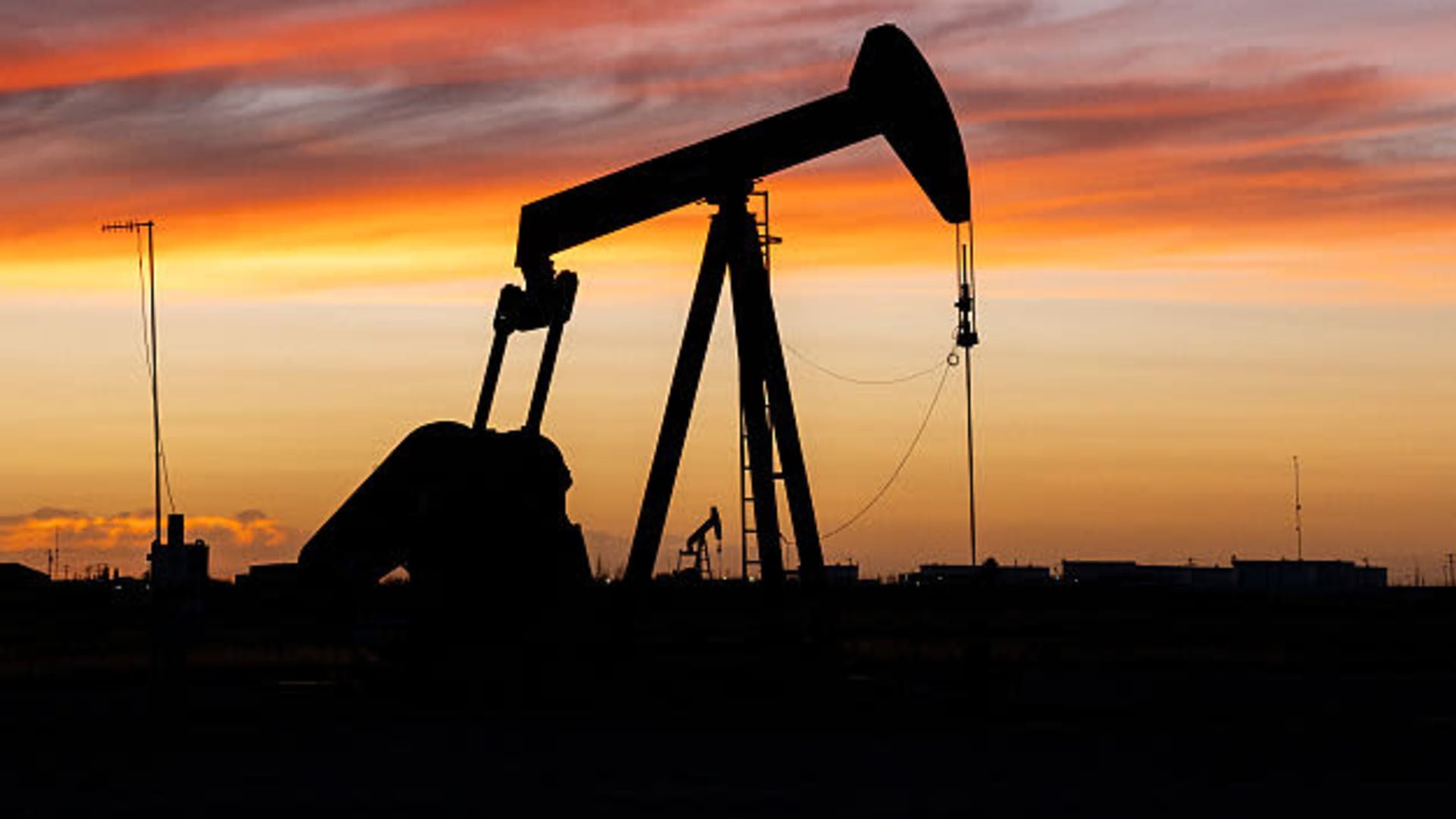
Rising tensions between the U.S. and Iran have kept oil prices elevated, reigniting global inflation concerns. Analysts warn that energy-dependent regions face significant economic pressure, potentially complicating Federal Reserve policy.
The Resurgence of Inflationary Pressures Amid Geopolitical Volatility
Global financial markets are once again grappling with the specter of inflation as the ongoing conflict in the Middle East intensifies. Recent reports indicate that the escalating military friction between the United States and Iran has created a floor for crude oil prices, preventing significant downward movement despite minor fluctuations in early trading sessions. This geopolitical instability serves as a stark reminder of the fragile nature of global energy supply chains and their direct correlation to domestic price indices.
The Direct Link Between Conflict and Commodity Costs
The fundamental concern for economists is the direct impact of oil prices on headline inflation. Because energy is a core input cost for transportation, manufacturing, and heating, sustained high prices act as a tax on both consumers and businesses. With the U.S. and Iran continuing to trade strikes, the risk premium embedded in the price of oil remains elevated. This environment creates a feedback loop where geopolitical uncertainty dictates market sentiment, regardless of underlying supply-demand fundamentals.
Disparate Economic Impacts: A Regional Analysis
Not all economies are built to withstand energy shocks equally. According to projections by BlackRock, the current conflict is estimated to add approximately 0.8 percentage points to global headline inflation. However, this burden is not distributed evenly. Europe and various Asian nations, which rely heavily on imported energy, find themselves at the epicenter of this vulnerability. These regions lack the energy independence of the United States, meaning any sustained supply disruption or price hike translates almost immediately into higher costs for the average household.
Monetary Policy and the Federal Reserve Dilemma
The persistence of these price pressures poses a significant challenge for central banks, particularly the Federal Reserve. Reports from OCBC highlight that current labor market data suggests a period of stabilization rather than a decline. This creates a difficult scenario for policymakers; if a fresh energy shock pushes headline inflation back upward, the Federal Reserve may be forced to maintain higher interest rates for a longer duration to prevent the economy from overheating, despite the potential risks to growth.
Future Trends and Economic Outlook
Looking forward, the global economy faces a period of heightened sensitivity to Middle Eastern developments. If the conflict between the U.S. and Iran continues to escalate, the resulting volatility in energy markets will likely remain a dominant theme for investors and policymakers alike. The expectation is that inflation will remain 'sticky,' driven by these external supply-side shocks rather than internal demand-side growth. Consequently, market participants should brace for continued uncertainty and a cautious approach from central banks as they navigate this complex geopolitical landscape.