Europe Was Supposed to Run Out of Jet Fuel by June. It Didn’t
Source Entity
Yahoo Finance
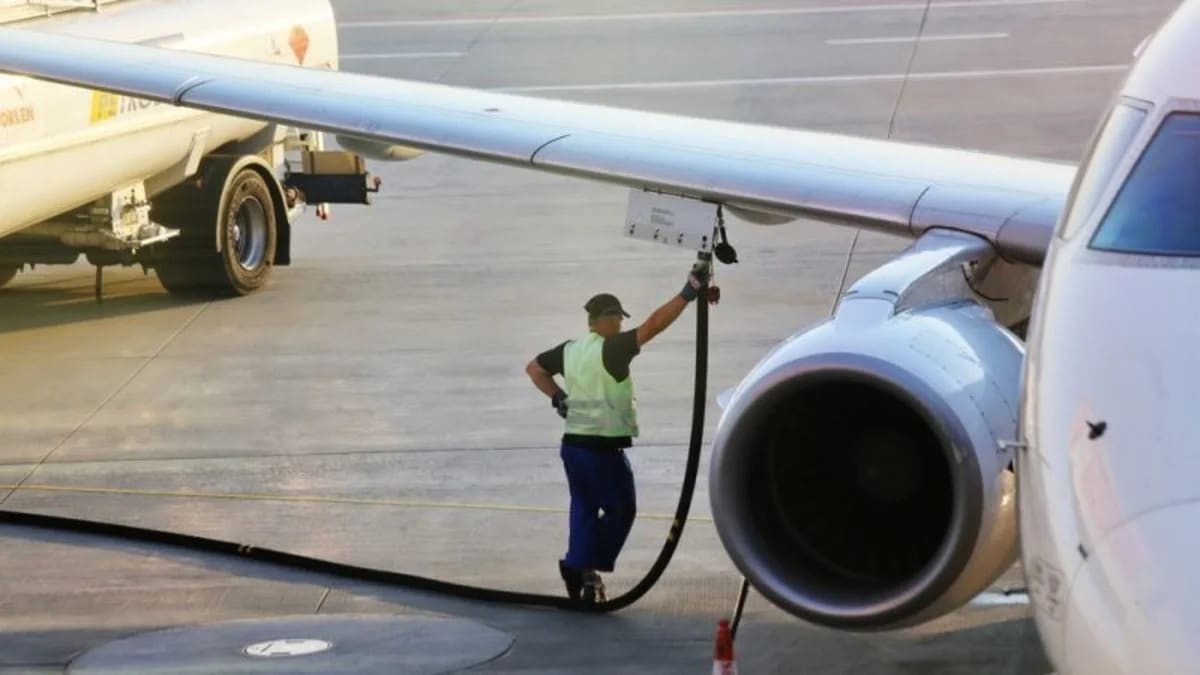
Despite fears that a major disruption in the Strait of Hormuz would deplete European jet fuel supplies by June, the market proved resilient. This outcome highlights the difference between vulnerability and inevitable collapse in global energy security.
The Resilience of Global Energy Markets
Recent concerns regarding the stability of European energy supplies have been centered on the precarious nature of the Strait of Hormuz. At the height of the recent volatility, approximately 14 million barrels per day of oil supply were disrupted, representing a staggering 14% of global demand. This massive shortfall was exacerbated by the near-total disappearance of Middle Eastern refined product exports, forcing several refineries and critical gas-processing facilities to cease operations due to storage constraints and export bottlenecks.
The Fallacy of Inevitable Collapse
Market analysts and media outlets had widely predicted that Europe would face a terminal shortage of jet fuel by June. These dire forecasts were rooted in the genuine vulnerability of global supply chains to chokepoints like the Strait of Hormuz. However, the passage of June without a catastrophic halt to European aviation suggests that markets often conflate high exposure with an inevitable collapse. While the risk was real, the systemic capacity for adaptation was underestimated by those monitoring the crisis.
Adaptive Mechanisms in Energy Logistics
How did the continent avoid the projected fuel drought? The answer lies in the inherent flexibility of global energy logistics. When traditional routes are compromised, markets pivot toward alternative suppliers, adjust refinery throughput, and utilize strategic reserves to bridge the gap. By reallocating existing stocks and incentivizing non-traditional import flows, the energy sector demonstrated a level of agility that countered the initial pessimistic projections.
Market Vulnerability vs. Real-World Impact
This event serves as a critical case study in how energy crises are discussed in the public sphere. Markets are highly proficient at identifying points of failure, but they frequently fail to account for the human and logistical ingenuity that occurs in the wake of such disruptions. The 'Hormuz shock' was a stress test of global energy infrastructure, and while it exposed deep structural dependencies, it also proved that the system is far from fragile.
Broader Implications for Energy Policy
Moving forward, policymakers must distinguish between genuine supply chain exposure and the threat of total systemic failure. The fact that petrol stations remained operational and aviation schedules continued largely unabated reinforces the necessity of nuanced risk assessment. Future energy security strategies should focus on diversifying transit routes and expanding storage capabilities to ensure that even when vulnerabilities are exploited, the downstream impact on consumers remains mitigated.
Conclusion
The failure of the June 'jet fuel crunch' to materialize is not a reason for complacency, but rather a call for more sophisticated analysis of global energy flows. By moving past the rhetoric of inevitable collapse, stakeholders can better prepare for future disruptions by understanding the defensive mechanisms that modern energy markets naturally employ.