Economic outlook is worsening and Trump is getting blamed, CNBC survey finds
Source Entity
US Top News and Analysis
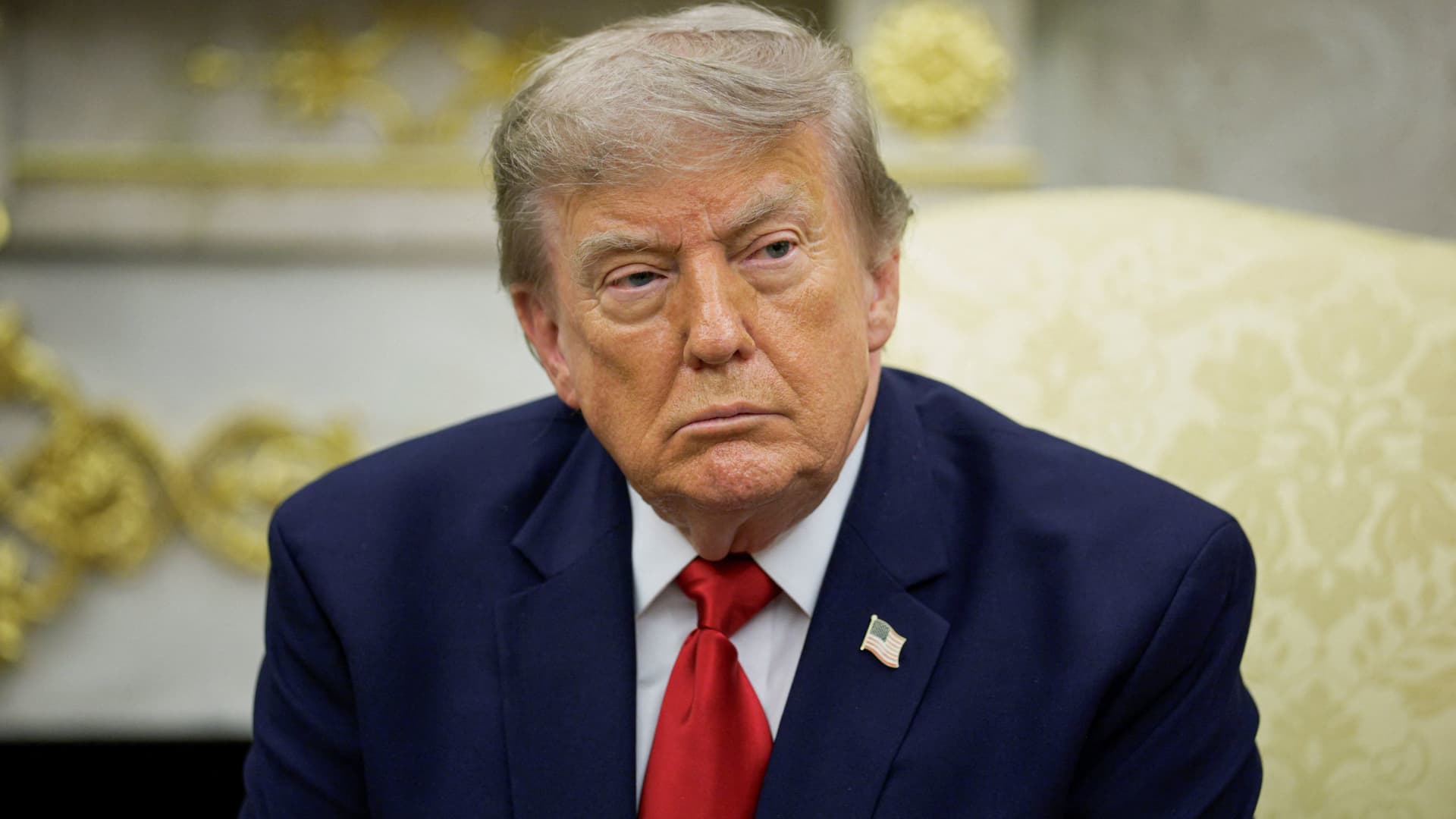
A new CNBC survey reveals that public sentiment regarding the U.S. economy has reached its lowest point since the post-pandemic era. Despite positive macroeconomic indicators, President Trump faces low approval ratings as voters express persistent anxiety over the rising cost of living.
Economic Sentiment vs. Macroeconomic Reality: A Disconnect
The latest CNBC All-America Economic Survey highlights a striking paradox in the current American economic landscape. While official data points toward a booming stock market and cooling inflation, the public perception remains anchored in a state of profound pessimism. This sentiment is described as being as depressed as it has been since the immediate aftermath of the COVID-19 pandemic, suggesting that the psychological impact of past volatility continues to color consumer outlooks today.
The Cost of Living Crisis
At the heart of this dissatisfaction is the persistent concern regarding the cost of everyday goods. Even as headline inflation numbers improve, the cumulative impact of price increases on essential items—groceries, fuel, and utilities—has eroded household purchasing power. For the average consumer, the 'booming' indicators cited by market analysts do not translate into financial relief, leading to a disconnect between institutional economic reporting and the lived experiences of 1,000 adults surveyed nationwide.
Political Implications for the Trump Administration
This economic malaise has directly impacted President Donald Trump’s approval ratings, which remain deeply negative. The survey, conducted in July 2026, reflects a public that is actively assigning blame to the administration for their financial hardships. Despite the President’s recent diplomatic engagements, such as his meeting with Iraqi Prime Minister Ali al-Zaidi, the domestic focus remains firmly on the domestic ledger, leaving little room for foreign policy successes to bolster his standing among voters struggling with inflation.
The Congressional Tug-of-War
Interestingly, the administration’s low approval ratings have not translated into a landslide of support for the opposition. The survey reveals only a modest advantage for Democrats in terms of public preference for control of Congress. This suggests that while voters are dissatisfied with the status quo under President Trump, they may not yet be fully convinced that the alternative party offers a definitive solution to the structural economic challenges currently facing the nation.
Future Trends and Outlook
Looking ahead, the administration faces a critical hurdle: bridging the gap between macroeconomic indicators and public sentiment. If the perception of economic decline persists, it could serve as a significant drag on the President’s political agenda and influence the upcoming legislative cycles. To shift this narrative, the administration must address the specific anxieties surrounding the cost of living, as the current survey data indicates that public trust is fragile and heavily contingent on the affordability of daily necessities. The coming months will be pivotal in determining whether this pessimism becomes a permanent fixture of the current political era.