Coal mine blast in Pakistan kills at least 32 miners, traps 10 others
Source Entity
The Indian Express
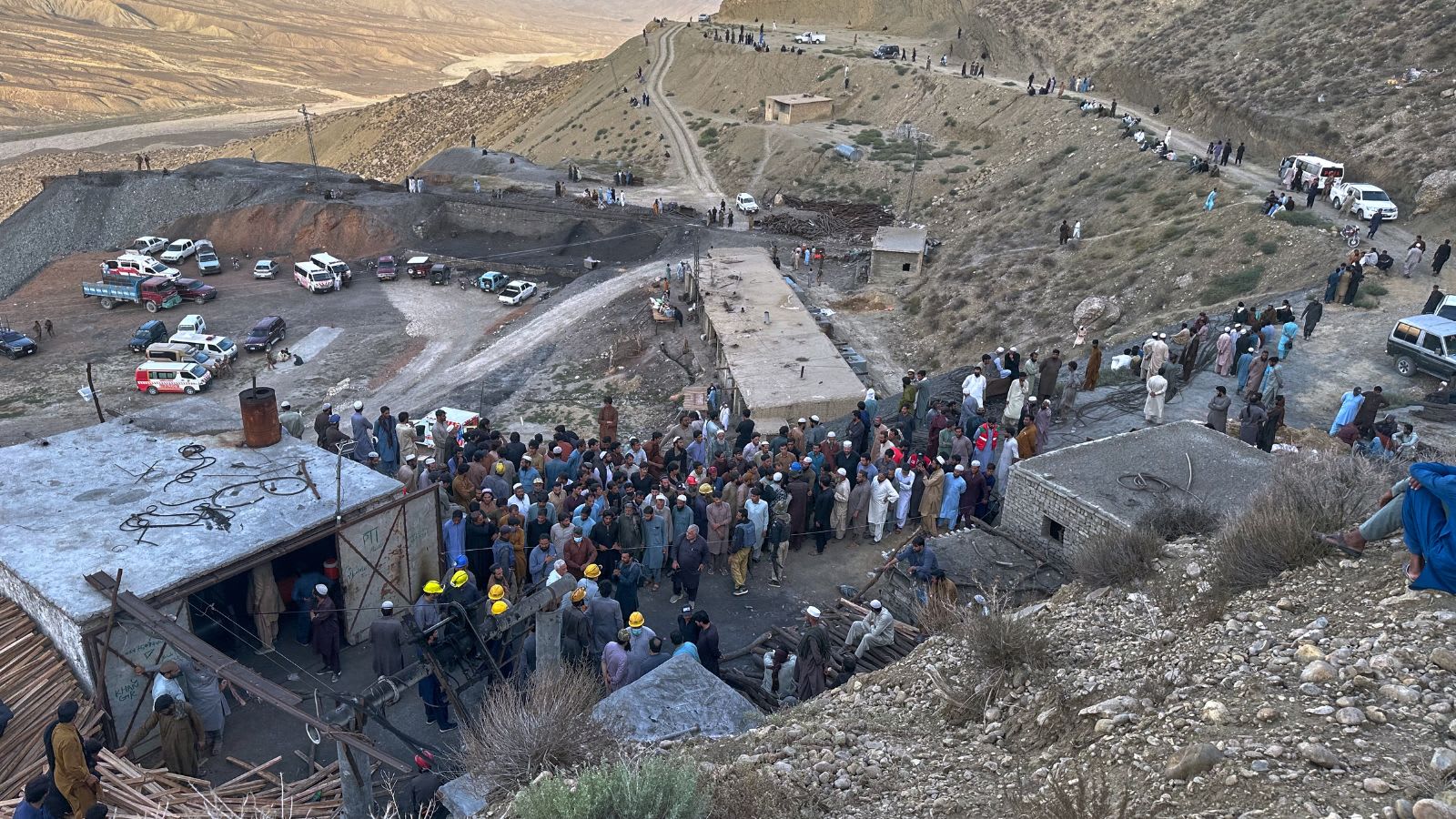
A methane gas explosion in a coal mine near Quetta, Pakistan, has resulted in at least 32 fatalities and left 10 miners trapped. Rescue operations are currently underway in precarious conditions to reach those still underground.
Tragedy in Baluchistan: A Deadly Coal Mine Explosion
A devastating industrial accident occurred on Thursday on the outskirts of Quetta, the provincial capital of Baluchistan, Pakistan, when a coal mine explosion claimed the lives of at least 32 workers. The incident, which has left an additional 10 miners trapped deep underground, highlights the ongoing perils faced by laborers in one of Pakistan's most resource-rich yet volatile regions. Government mine inspector Ghani Baloch confirmed that the blast was likely triggered by a lethal buildup of methane gas, a recurring hazard in the mining industry.
The Mechanics of the Disaster
Coal mines in Baluchistan are notorious for their lack of modern safety infrastructure and rigorous ventilation systems. Methane gas, which is naturally released from coal seams, can become highly explosive when it accumulates in confined underground spaces. Without adequate gas detection sensors or sufficient airflow to dilute the concentration, a single spark—often from electrical equipment or friction—can trigger a catastrophic chain reaction. This specific incident underscores a systemic vulnerability where the race for resource extraction often supersedes the implementation of basic safety protocols.
The Rescue Operation and Its Challenges
As rescue workers labor on the outskirts of Quetta, they are fighting against time and the physical limitations of the mine shafts. The trapped 10 miners are facing life-threatening conditions, as oxygen levels may be depleted and structural integrity within the mine may have been compromised by the blast. The presence of gas remains a primary concern for the rescue teams, who must balance the urgency of saving lives with the risk of secondary explosions or further collapses that could jeopardize their own safety.
Broader Implications for Mining Safety
This tragedy serves as a grim reminder of the broader safety crisis within Pakistan's mining sector. Historically, these mines have been criticized for employing underpaid, vulnerable workers in environments that lack oversight and emergency preparedness. The regulatory framework in Baluchistan has often struggled to enforce international safety standards, leading to a pattern of preventable accidents that disproportionately affect the local workforce. This event will likely reignite calls for stricter government enforcement and investment in modern mining technology.
Economic and Social Context
Baluchistan is the site of significant mineral wealth, yet the benefits of this industry rarely translate into improved safety or prosperity for the miners themselves. The socio-economic disparity is stark, with workers frequently operating in high-risk conditions to sustain the regional and national energy supply. The death of 32 individuals is not merely an industrial failure; it is a profound human tragedy that impacts the fabric of the Quetta community, which depends heavily on this industry for its livelihood.
Conclusion: A Call for Accountability
As the recovery mission continues, the focus must shift toward accountability and the urgent need for a comprehensive safety overhaul. The loss of life in Quetta is a clarion call for the provincial and federal governments to mandate better equipment, regular inspections, and rigorous training for mine operators. Without structural reform, the cycle of methane-related disasters will continue to threaten the lives of those whose labor fuels the nation's industrial output.