Cockroach Janta Party expands its national footprint ahead of UP polls, appoints zonal leaders
Source Entity
Alok Singh
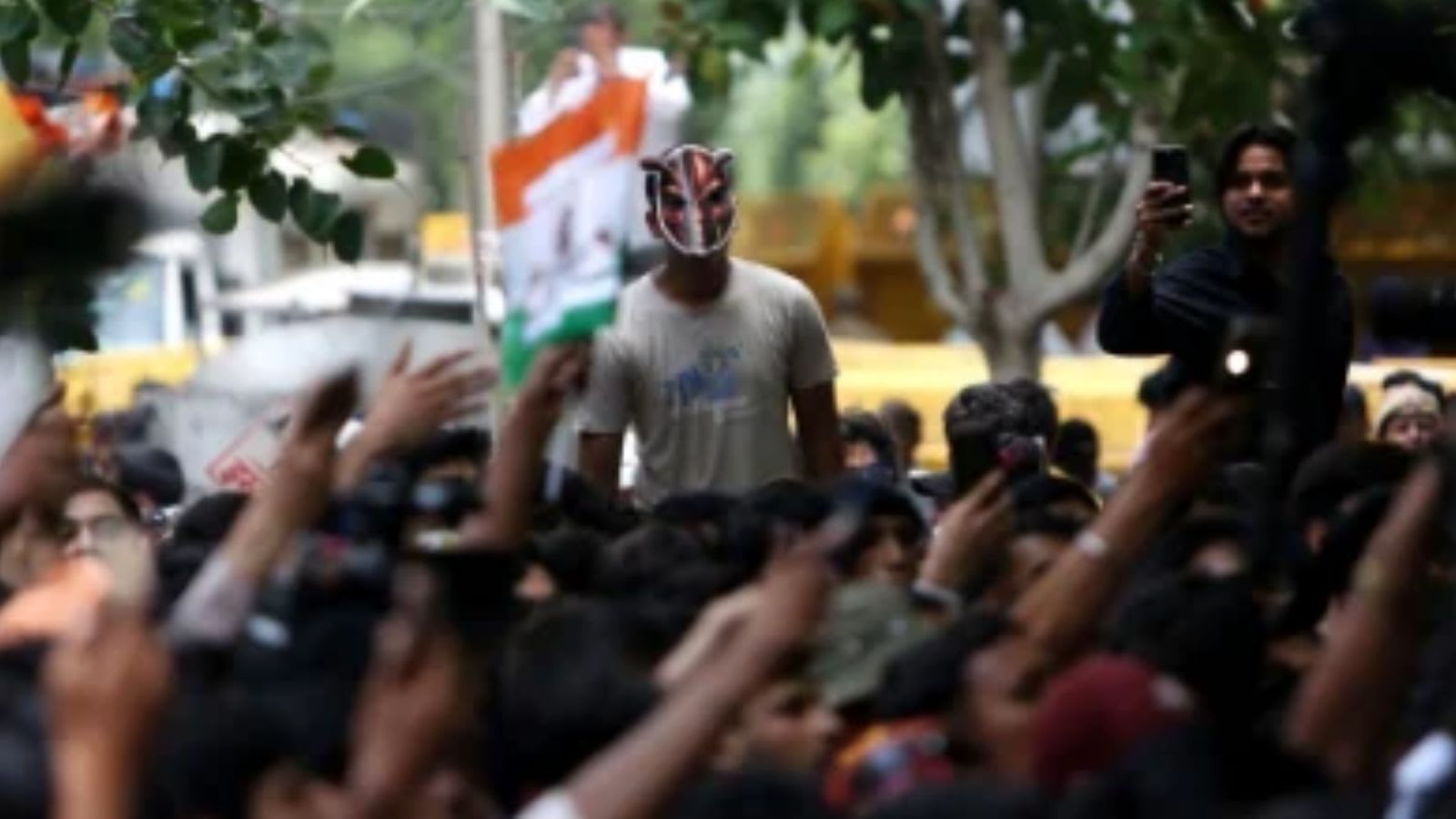
The protest-based Cockroach Janta Party (CJP) is expanding its organizational structure by appointing zonal leaders ahead of the UP Assembly elections. Despite this growth, the group maintains it remains a non-electoral political pressure group with no plans to contest polls.
The Strategic Expansion of the Cockroach Janta Party
The emergence of the Cockroach Janta Party (CJP) marks a fascinating evolution in modern grassroots advocacy. Originally surfacing nearly six months ago as a protest platform, the group is now formalizing its presence by appointing zonal leaders and establishing state-level coordination committees. This shift from a spontaneous protest movement to a structured organization suggests a desire for sustained influence in the national discourse, aiming to transition from transient activism to a consistent institutional presence.
Navigating the Political Landscape
While the expansion covers 10 strategic zones, the inclusion of Uttar Pradesh is particularly noteworthy. Given that UP is a critical battleground for national political outcomes, the timing of these appointments cannot be viewed as coincidental. By positioning itself within the state ahead of the upcoming Assembly elections, the CJP is effectively ensuring that its voice is positioned to influence the priorities of mainstream political parties during a period of high-stakes campaigning.
The Dilemma of Pressure Groups
Despite this organizational growth, CJP National Media Coordinator Subhasree Das has been emphatic regarding the group's long-term objectives. The organization maintains that its primary identity is that of a political pressure group rather than a formal political entity. This distinction is vital; by eschewing the path of a registered political party, the CJP avoids the logistical, financial, and legal burdens of electoral campaigning while retaining the agility to critique policies and mobilize public sentiment.
Structural Intentions and Future Trends
According to leadership, the ongoing structural expansion is a calculated effort to build a foundation for long-term advocacy. In the context of contemporary Indian politics, pressure groups often serve as a bridge between public discontent and legislative action. By establishing clear hierarchies, the CJP is attempting to professionalize its operations, which may allow it to act as a more effective watchdog, holding elected officials accountable to the issues that initially sparked the group's formation.
Implications for Future Advocacy
As the CJP continues to build its national footprint, the broader implication is a shift toward more organized, non-party political activism. If the group successfully maintains its non-electoral stance while influencing the political agenda in states like Uttar Pradesh, it could signal a trend where citizens prefer to exert influence through organized pressure rather than traditional party politics. This model offers a unique alternative for those who wish to effect change without the compromises inherent in seeking formal political office.
Conclusion
In summary, the CJP’s recent expansion is a deliberate attempt to institutionalize its protest roots. Whether this structure will successfully exert influence without being co-opted by the very electoral systems it monitors remains to be seen. For now, the group remains a significant case study in the power of pressure groups to shape the political narrative without ever appearing on a ballot.