At least 111 killed in Colombia's largest earthquake in years
Source Entity
BBC News
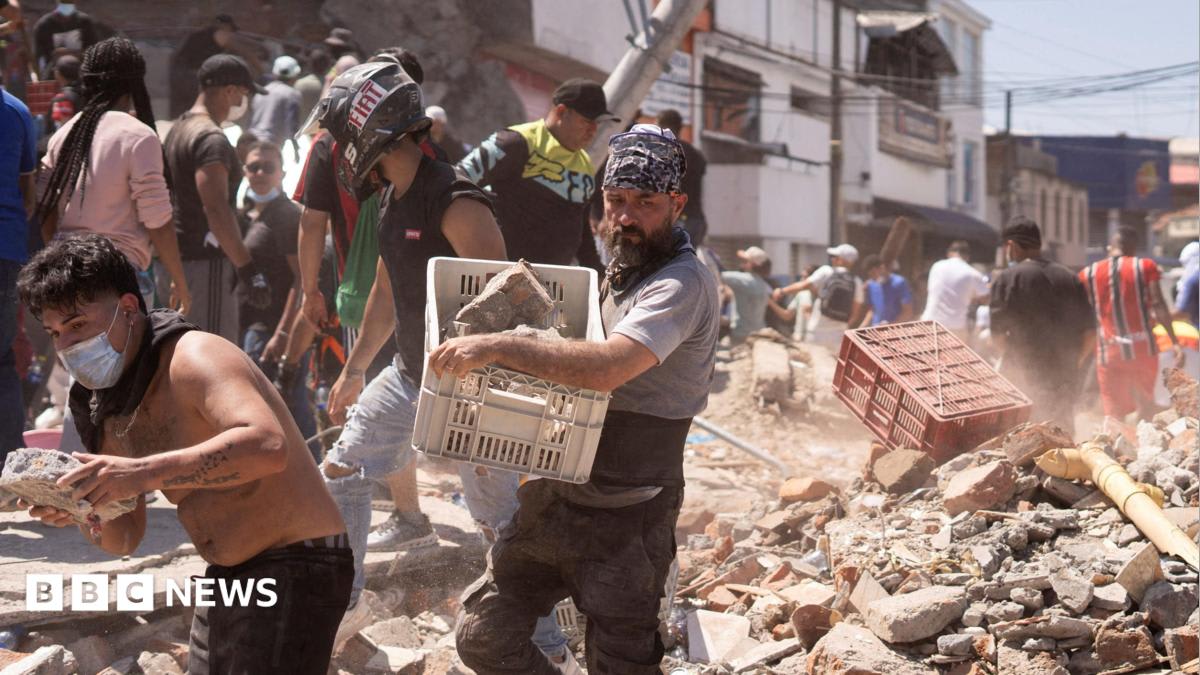
A 7.4-magnitude earthquake struck western Colombia on August 10, 2026, causing at least 20 deaths and widespread building collapses. Emergency operations are underway as authorities warn that casualties could rise significantly.
Devastating 7.4-Magnitude Earthquake Jolts Western Colombia
On the morning of August 10, 2026, at 7:34 am local time, a powerful 7.4-magnitude earthquake struck western Colombia, with its epicenter located near San José del Palmar in the Chocó province. The seismic event, which was felt as far away as Bogota, Quito, and Panama, has resulted in a rapidly evolving humanitarian crisis. Initial reports confirm at least 20 fatalities, with the death toll expected to climb as rescue operations continue in the wake of widespread infrastructure failure.
Impact on Urban Centers
The destruction is concentrated in the western regions, with major cities such as Pereira, Manizales, and Cali reporting significant structural damage. In Pereira, the capital of Risaralda, authorities have confirmed 18 deaths, while two fatalities occurred in Manizales. Reports indicate that at least 20 homes and 12 buildings in Manizales alone have been partially or completely destroyed, and approximately 20 structures have collapsed in Cali. The scale of the collapse has left many residents trapped, prompting intense search and rescue efforts amidst the rubble.
Logistical Disruptions and Emergency Response
The earthquake's impact extended beyond residential damage, causing severe disruptions to national infrastructure. Air travel has been suspended at several airports across the affected cities, complicating the arrival of aid and emergency personnel. President Abelardo de la Espriella has assumed direct oversight of the recovery efforts, coordinating between national agencies and international geological bodies to manage the unfolding disaster.
Regional Context and Geological Risks
Colombia's geography makes it susceptible to seismic activity, and this event serves as a stark reminder of the region's vulnerability. The tremor was felt in neighboring Venezuela, a country already struggling with the aftermath of a double earthquake that occurred on June 24. The proximity of the epicenter to populated departments like Chocó, Risaralda, and Caldas has amplified the human cost, as these areas grapple with the immediate aftermath of the quake.
Future Outlook and Aftermath
As USGS and local geological services continue to monitor the situation, the primary concern remains the threat of aftershocks, which could further compromise weakened structures and endanger rescue teams. With the current casualty count at 20, official warnings suggest that the final death toll could potentially exceed 1,000, underscoring the severity of this disaster. The coming days will be critical as the government balances search-and-rescue operations with the long-term task of managing the widespread destruction of urban housing and vital transportation networks.
Multiple Citing Sources