Rescuers scramble for survivors with 180 dead in Colombia earthquake
Source Entity
BBC News
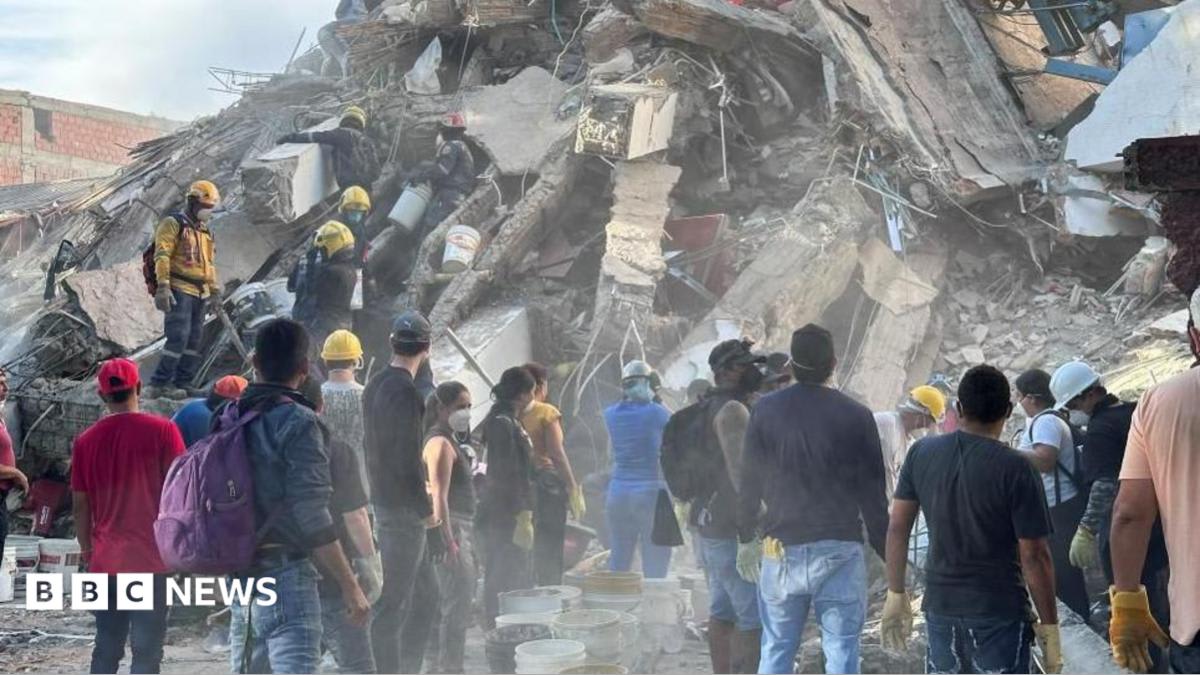
A powerful 7.4-magnitude earthquake struck western Colombia on August 10, 2026, causing widespread destruction and at least 180 confirmed deaths. President Abelardo de la Espriella has declared a state of emergency as rescue operations continue amid ongoing aftershocks.
Devastation in Western Colombia: A 7.4-Magnitude Crisis
On Monday, August 10, 2026, a powerful 7.4-magnitude earthquake struck western Colombia, centered near San José del Palmar in the Chocó province. The seismic event, occurring at 07:34 local time, sent shockwaves across an enormous geographic area, with tremors felt as far away as Bogota, Quito, and even Panama. The immediate impact was catastrophic, leading to the collapse of numerous buildings and prompting widespread evacuations across major urban centers.
The Human Toll and Rescue Operations
The human cost of this disaster is escalating rapidly. While initial reports indicated lower figures, the confirmed death toll currently stands at 181, with local officials warning that the actual number of fatalities could exceed 240 as rescue teams sift through the debris. Cities such as Cali and Pereira have borne the brunt of the destruction, with reports of at least 20 buildings collapsing in Cali alone. Rescue workers are currently operating in a race against time, navigating dangerous rubble to locate survivors trapped in the aftermath of the quake.
Government Response and State of Emergency
In response to the unfolding humanitarian crisis, Colombian President Abelardo de la Espriella has officially declared a state of emergency. President Espriella has been actively overseeing the recovery efforts, conducting site visits to the hardest-hit regions like Pereira to coordinate the national response. The declaration of a state of emergency allows the government to mobilize additional resources, streamline logistics for emergency services, and request international aid to bolster the ongoing rescue and relief operations.
Infrastructure and Regional Disruption
The earthquake’s scale has severely disrupted critical infrastructure throughout western Colombia. Air travel has been suspended at several airports, isolating some of the most affected regions and complicating the delivery of emergency medical supplies and personnel. The widespread structural failure, including the collapse of residential and commercial buildings, has created significant logistical challenges for first responders who must contend with damaged road networks and the constant threat of aftershocks.
Seismic Context and Future Risks
The situation remains volatile as the region experiences a series of aftershocks following the primary 7.4-magnitude event. These secondary tremors pose a persistent threat to both survivors and rescue workers, as they risk destabilizing already weakened structures. Geological authorities and the United States Geological Survey (USGS) are monitoring the situation closely, with early assessments noting the potential for significant casualties, estimated by some models to potentially reach into the thousands if rescue efforts are hampered by the ongoing seismic activity.
Conclusion
As Colombia faces one of its most significant natural disasters in recent years, the focus remains firmly on the search and rescue phase. The collaborative efforts between local authorities, the national government, and emergency responders are vital to mitigating further loss of life. The international community continues to watch the region closely as the full extent of the damage is realized, and the nation begins the difficult process of recovery in the shadow of this powerful earthquake.
Multiple Citing Sources