Computational chemistry, Locally? My rant on SSH
Source Entity
Hacker News
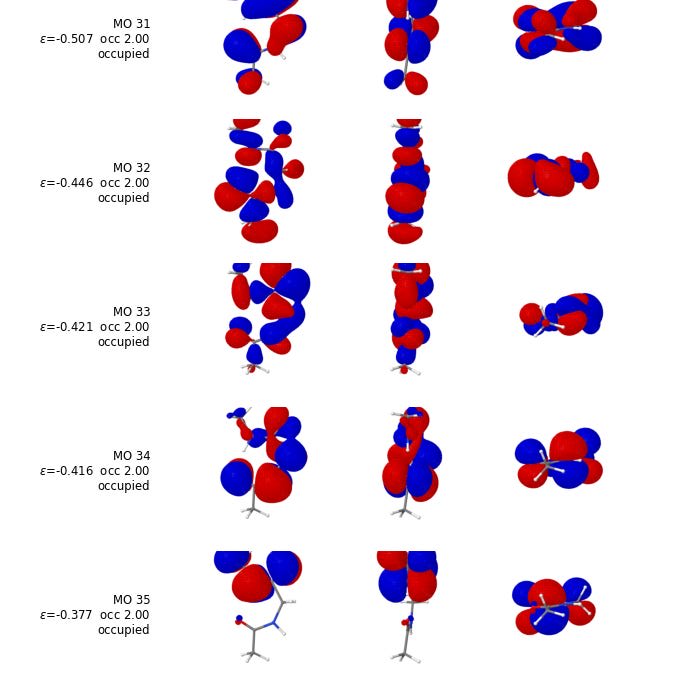
Researchers in computational chemistry are facing significant workflow friction due to complex VPN and multi-factor authentication requirements for accessing high-performance computing clusters. These security hurdles often hinder productivity in protein geometry and energy level optimization tasks.
The Friction of High-Performance Computing
In the modern landscape of computational chemistry, the ability to predict protein spectra and optimize molecular geometries is a cornerstone of pharmaceutical and materials research. However, a significant disconnect exists between the high-level computational needs of scientists and the administrative barriers imposed by institutional IT infrastructure. Researchers who rely on high-performance computing (HPC) clusters often find that the technical process of accessing these resources is becoming increasingly cumbersome.
The Administrative Bottleneck
The core of the issue lies in the transition from local development to remote execution. When a researcher designs a molecule and requires the massive processing power of a university cluster, they are immediately met with a multi-layered security gauntlet. This typically involves connecting to a university VPN, which often requires legacy software that is prone to instability, followed by a rigorous multi-factor authentication (MFA) process. These security measures, while intended to protect sensitive research data, create a 'cognitive tax' that interrupts the flow of scientific inquiry.
Security Versus Workflow Efficiency
The reliance on 2FA (Two-Factor Authentication) represents a specific pain point in the daily routine of a computational chemist. The requirement to retrieve a physical device—such as a smartphone—to input a time-sensitive code during a remote login session breaks the continuity of the research process. For a scientist attempting to iterate through hundreds of molecular variations, the cumulative time spent navigating these identity verification hurdles can lead to significant frustration and decreased efficiency.
Institutional Infrastructure Challenges
Many universities struggle to modernize their network architecture, leaving researchers to grapple with outdated VPN clients that were not designed for the high-frequency access patterns common in modern computational chemistry. When the authentication process takes longer than the actual task initialization, it signals a failure in infrastructure design. This leads to a common sentiment among practitioners: the feeling that the tools designed to facilitate research are instead acting as gatekeepers that hinder progress.
The Future of Scientific Computing
To bridge this gap, institutional IT departments must consider more streamlined, context-aware security solutions. Moving toward identity-aware proxies or zero-trust network architectures could potentially eliminate the need for traditional, clunky VPNs. As computational chemistry becomes more integrated with AI and automated high-throughput screening, the need for seamless, low-latency access to HPC resources will become even more critical for scientific advancement.
Conclusion
Ultimately, the frustration expressed by researchers regarding SSH and VPN access is not merely a complaint about minor inconveniences; it is a critique of the friction inherent in current academic computing environments. If universities wish to remain at the forefront of scientific research, they must prioritize the user experience of their HPC users, ensuring that security protocols serve to empower, rather than impede, the rigorous work of computational molecular design.