TV dinner overload? The frozen-food aisle may be too crowded for its own good.
Source Entity
Bill Peters
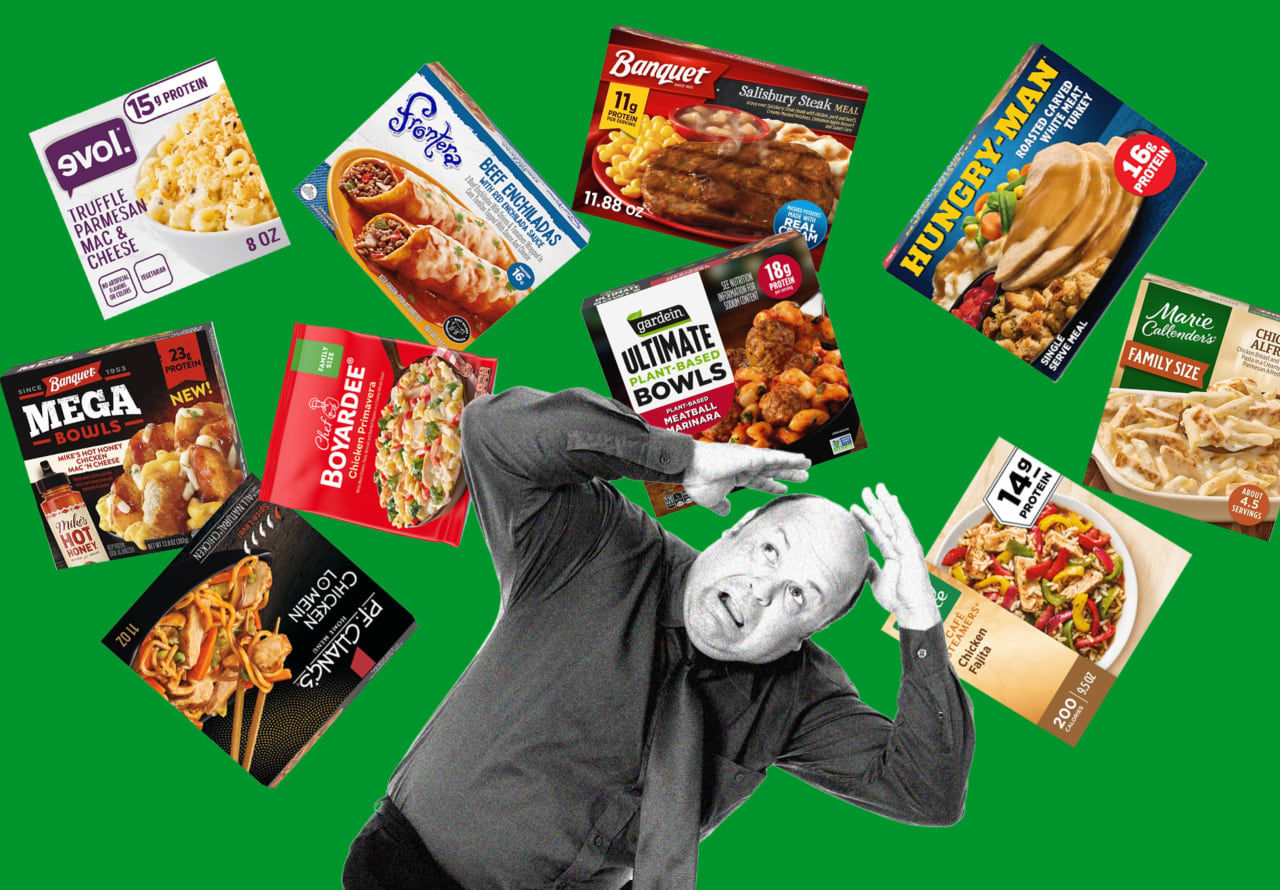
Conagra Brands faces significant internal competition due to an oversaturated frozen-food portfolio. Analysts suggest this product overlap may be hindering overall brand efficiency and market performance.
The Paradox of Choice in the Frozen Aisle
Conagra Brands, a titan in the processed food industry, currently faces a strategic challenge that highlights the perils of portfolio bloat. Recent market analysis indicates that the company’s vast array of frozen-food items is creating a scenario of internal cannibalization. When a single corporation saturates shelf space with too many similar products, they effectively force their own brands to compete for the same consumer demographic, rather than capturing new market share from competitors.
The Mechanics of Internal Cannibalization
In the retail sector, shelf space is a finite and highly contested resource. By populating the frozen-food aisle with an excessive number of SKUs (Stock Keeping Units), Conagra risks confusing the consumer and diluting brand loyalty. When a shopper is presented with multiple variations of similar frozen meals under the same corporate umbrella, the decision-making process becomes cluttered. This often leads to 'analysis paralysis,' where the consumer may bypass the brand entirely or default to a lower-cost option within that same portfolio, ultimately depressing the company's profit margins.
Historical Context of Brand Proliferation
Historically, large food conglomerates have utilized a strategy of 'brand proliferation' to crowd out competitors and maximize physical presence in grocery stores. By offering a wide spectrum of options, companies aimed to ensure that regardless of a shopper's preference, they were likely to pick up a Conagra-affiliated product. However, as supply chain costs rise and consumer preferences shift toward fresh or niche-health alternatives, this strategy of 'more is better' is showing diminishing returns, proving that tactical abundance can become a strategic liability.
Broader Market Implications
This trend is not isolated to Conagra but serves as a case study for the wider packaged goods industry. In an era where private-label brands are gaining significant traction due to inflationary pressures, legacy giants must be more surgical with their product offerings. For Conagra, the challenge lies in streamlining their portfolio to focus on high-performing, distinct value propositions rather than maintaining a dense, overlapping product ecosystem that drains marketing and logistical resources.
Future Trends and Strategic Outlook
Looking ahead, it is likely that Conagra and similar industry leaders will pivot toward portfolio rationalization. This involves pruning underperforming or redundant items to improve operational efficiency. By consolidating their frozen-food lineup, the company could potentially reduce manufacturing complexity and improve the clarity of their brand messaging. If successful, this shift could lead to more sustainable growth, but it requires a difficult balance between maintaining market dominance and optimizing the consumer experience.
Verification Required?