‘Return 51 cartons’: Congress, BJP spar over Jawaharlal Nehru’s letters
Source Entity
The Indian Express
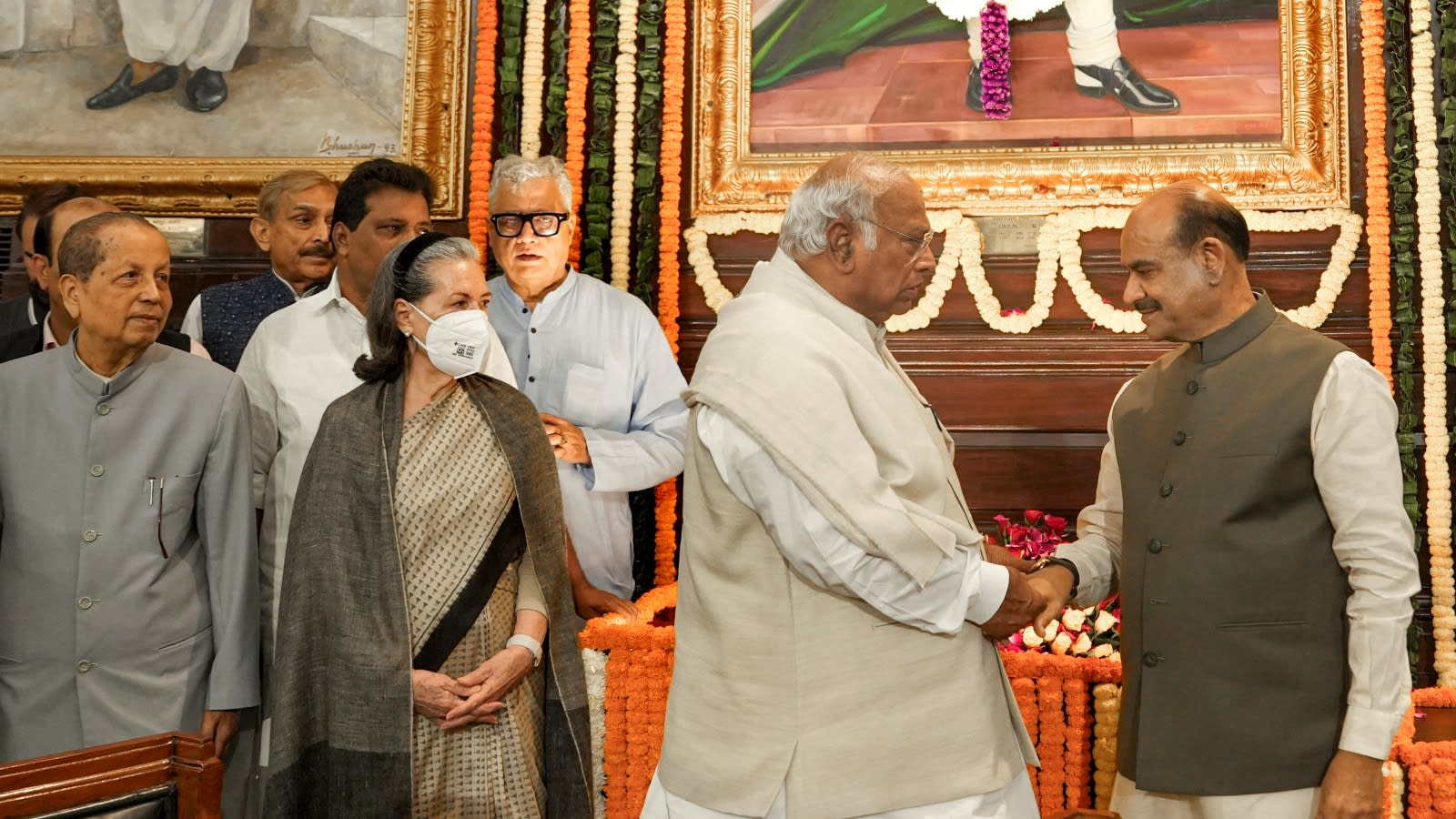
The Congress and BJP are engaged in a heated political dispute over the custody of 51 cartons of historical letters written by Jawaharlal Nehru. While the Congress highlights the success of the digital Nehru Archive, the BJP demands the return of the physical documents, alleging improper removal by party leadership.
The Battle Over Nehru's Legacy: A Political Tug-of-War
The commemoration of Jawaharlal Nehru’s 137th birth anniversary has become the stage for a sharp political confrontation between the Indian National Congress and the Bharatiya Janata Party (BJP). At the center of this dispute is the ownership and custody of a significant repository of historical correspondence written by India's first Prime Minister. This clash underscores the ongoing struggle to define and control the narrative surrounding India’s foundational political figures.
The Digital Archive vs. Physical Custody
Congress general secretary Jairam Ramesh utilized the anniversary to showcase the success of the 'Nehru Archive.' Launched in January 2025, this digital repository contains 100 volumes of Nehru’s selected works spanning from 1903 to 1964. The Congress claims high engagement, reporting over 1 million unique visitors and 4 million page views in its first year, signaling a strategic effort to modernize and democratize access to historical records for the digital-native generation.
BJP's Allegations of Misappropriation
In stark contrast to the Congress's focus on digital accessibility, the BJP has pivoted to the physical whereabouts of the original documents. National spokesperson CR Kesavan issued a stern demand for the return of 51 cartons containing Nehru’s letters. The BJP’s argument centers on the allegation that senior Congress leader Sonia Gandhi “abruptly” took possession of these letters in May 2008, raising questions about the institutional oversight and transparency regarding these historical artifacts.
Historical Significance and Institutional Integrity
These letters are not merely personal correspondence; they represent a vital component of India's post-independence institutional memory. The dispute highlights a broader concern regarding the preservation of national archives. When political parties treat historical documentation as proprietary assets, it inevitably triggers debates about public versus private ownership of materials that document the evolution of the Indian state.
Broader Political Implications
The demand for the return of the 51 cartons serves as a potent political instrument for the BJP to challenge the Congress’s stewardship of Nehru’s legacy. By casting doubt on the legality of the files' removal, the BJP aims to undermine the Congress’s historical authority. Conversely, the Congress’s emphasis on the digital archive serves as a defensive mechanism, shifting the focus from physical possession to intellectual dissemination.
Future Trends in Historical Narratives
As digital archival practices become more common, we can expect future political discourse to revolve around the intersection of technology and history. The success of the Nehru Archive suggests that digital platforms will increasingly become the primary battleground for historical legitimacy. However, as evidenced by this conflict, physical archives remain highly symbolic, and their custody will continue to be a contentious issue in Indian politics for the foreseeable future.