Spending deal comes with a bonus: Blocking political control of grants
Source Entity
John Timmer
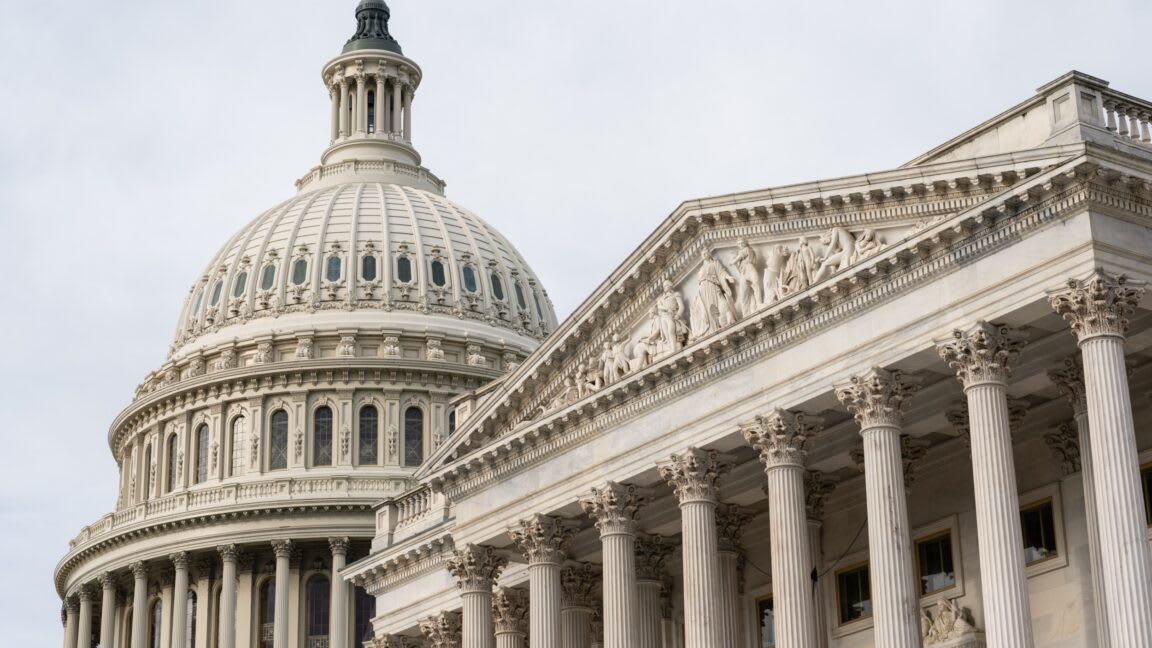
Congress has passed a stopgap funding bill to prevent a government shutdown, simultaneously blocking an OMB attempt to exert political control over research grants. This move preserves current funding structures for the scientific community amidst broader legislative gridlock.
Legislative Gridlock and the Stopgap Solution
The passage of a stopgap funding measure by the House of Representatives serves as a critical mechanism to prevent a federal government shutdown, ensuring operations continue through early December. This legislative maneuver, while routine in recent years due to deep-seated partisan divisions, underscores the persistent difficulty Congress faces in passing comprehensive annual budgets. By adopting the Senate's version of the spending bill, the House bypassed internal Republican caucus disputes, prioritizing the immediate necessity of keeping federal agencies functional over more complex fiscal negotiations.
Protecting Scientific Independence
A significant, albeit less publicized, component of this spending package is the explicit rejection of the Office of Management and Budget’s (OMB) attempt to restructure federal research grant funding. The scientific community had expressed profound concern over the OMB's proposal, which many viewed as an attempt to introduce political filters into the peer-review and funding allocation process. By blocking these changes, Congress has effectively maintained the existing, merit-based framework that has historically governed how government research funds are distributed to academic and private institutions.
The Intersection of Policy and Partisanship
The struggle over research funding highlights a broader tension between executive oversight and independent scientific inquiry. The OMB’s proposed rewrite would have arguably shifted power from established scientific review boards to political appointees, a move critics warned could lead to the politicization of research priorities. The legislative intervention to halt this shift represents a rare moment of bipartisan alignment in protecting the autonomy of federal scientific funding from executive branch overreach.
Historical Context of Funding Cycles
The reliance on stopgap measures—often referred to as Continuing Resolutions—has become a hallmark of modern American governance. This cycle of short-term funding often creates uncertainty for research institutions that rely on long-term grant commitments. While this specific bill secures a temporary reprieve, the underlying issue of how and when research funding is authorized remains a point of contention that will likely resurface when the current measure expires in December.
Broader Implications for Future Research
Looking ahead, the successful defense of the current grant-funding structure provides a template for how the scientific community and its advocates might engage with future legislative threats. Should the OMB or similar entities attempt to revive efforts to exert political control over research grants, the precedent set by this stopgap measure will serve as a vital defensive tool. The political climate leading into the midterm elections suggests that while this immediate threat to research autonomy has been neutralized, the debate over the appropriate level of executive influence on science policy is far from resolved.
Conclusion
Ultimately, the House’s decision to pass the Senate’s spending bill is a pragmatic reaction to a fractured legislative environment. While the immediate goal was preventing a government shutdown, the collateral benefit of shielding research funding from political interference is a significant victory for those advocating for evidence-based policy. As the December deadline approaches, the focus will shift back to whether Congress can move beyond stopgap measures toward a more stable and autonomous funding process for the nation's scientific endeavors.