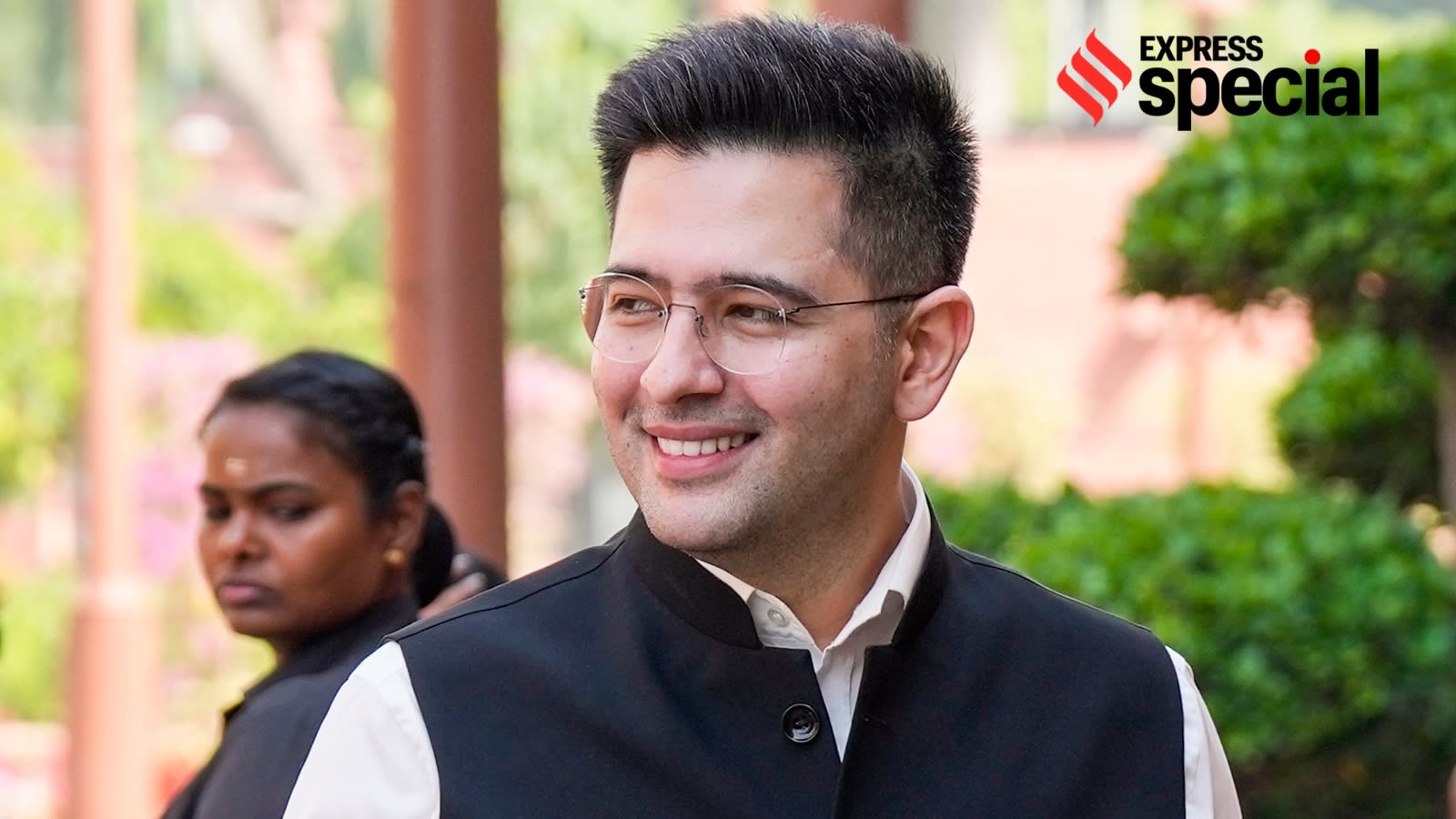
Rajya Sabha MP Raghav Chadha deleted from Punjab draft SIR, alleges vendetta
Source Entity
Jatin Anand, Damini Nath
The Election Commission of India is conducting a Special Intensive Revision (SIR) of electoral rolls, resulting in 3.3 million notices issued in Delhi for data discrepancies. Simultaneously, the deletion of MP Raghav Chadha from Punjab's draft rolls has sparked political controversy, highlighting the complexities of national voter database management.
The Integrity of Electoral Rolls: Navigating the Special Intensive Revision
The Election Commission of India (ECI) is currently undertaking a massive administrative exercise known as the Special Intensive Revision (SIR). This process is designed to ensure the accuracy and sanctity of the national electoral database. Recent reports from Delhi indicate that approximately 3.3 million voters have been flagged for further verification following the publication of draft rolls. This figure represents a significant administrative undertaking, necessitating a rigorous claims and objections process to ensure that legitimate voters are not disenfranchised due to technical errors.
Understanding the Nature of Discrepancies
Of the 3.3 million voters identified in the Delhi draft rolls, the ECI has categorized the issues into two distinct groups. Approximately 1.9 million entries have been flagged for 'logical discrepancies,' which typically involve inconsistencies between submitted voter details and the existing electoral database. Furthermore, 1.4 million entries could not be successfully mapped against the 2002 electoral rolls. These figures are currently in a draft stage, and the ECI has emphasized that the upcoming claims and objections period is the primary mechanism for resolving these inconsistencies before the final rolls are published.
The Administrative Scope of Deletions
On a national scale, the scale of data reconciliation is even more expansive. Over the past year, an estimated 13.37 crore names have been deleted from draft electoral rolls across the country. While such deletions are a standard part of the ECI's mandate to remove duplicates, deceased voters, or those who have permanently relocated, the sheer volume of these adjustments underscores the complexity of maintaining a voter list for a population as large and mobile as India’s. This process is critical for preventing electoral fraud and ensuring that the democratic process remains grounded in accurate, verified data.
Political Implications and Allegations
Administrative exercises of this magnitude often intersect with the political landscape. A notable case has emerged involving Rajya Sabha MP Raghav Chadha, whose name was identified among those deleted from the Punjab draft electoral rolls. The situation has prompted allegations of 'political vendetta' from the MP. However, the ECI and state officials have maintained that the SIR process is an autonomous exercise conducted by the Election Commission, asserting that state governments have no direct role in the specific selection or removal of names from the rolls.
Broader Implications for Electoral Governance
This situation highlights the delicate balance between maintaining a clean, modern electoral database and ensuring the individual right to vote. The ECI's reliance on data mapping and logical consistency checks is a necessary evolution in digital governance. However, the high number of flagged entries in Delhi serves as a reminder that technological solutions must be accompanied by accessible, transparent avenues for citizens to correct their information.
Future Trends in Voter Verification
Looking ahead, the ECI will likely continue to refine its data integration processes to reduce the number of logical discrepancies in future revisions. As the electoral roll becomes increasingly digitized, the focus will shift toward streamlining the verification process so that voters are not burdened by technical errors. The resolution of the current SIR exercise will be a critical test for the ECI's ability to manage large-scale data reconciliation while maintaining public trust and political neutrality in the lead-up to future electoral cycles.
Multiple Citing Sources