'Poor Biharis don't know anything': Cong UP in-charge targets BJP chief Nabin
Source Entity
TIMESOFINDIA.COM
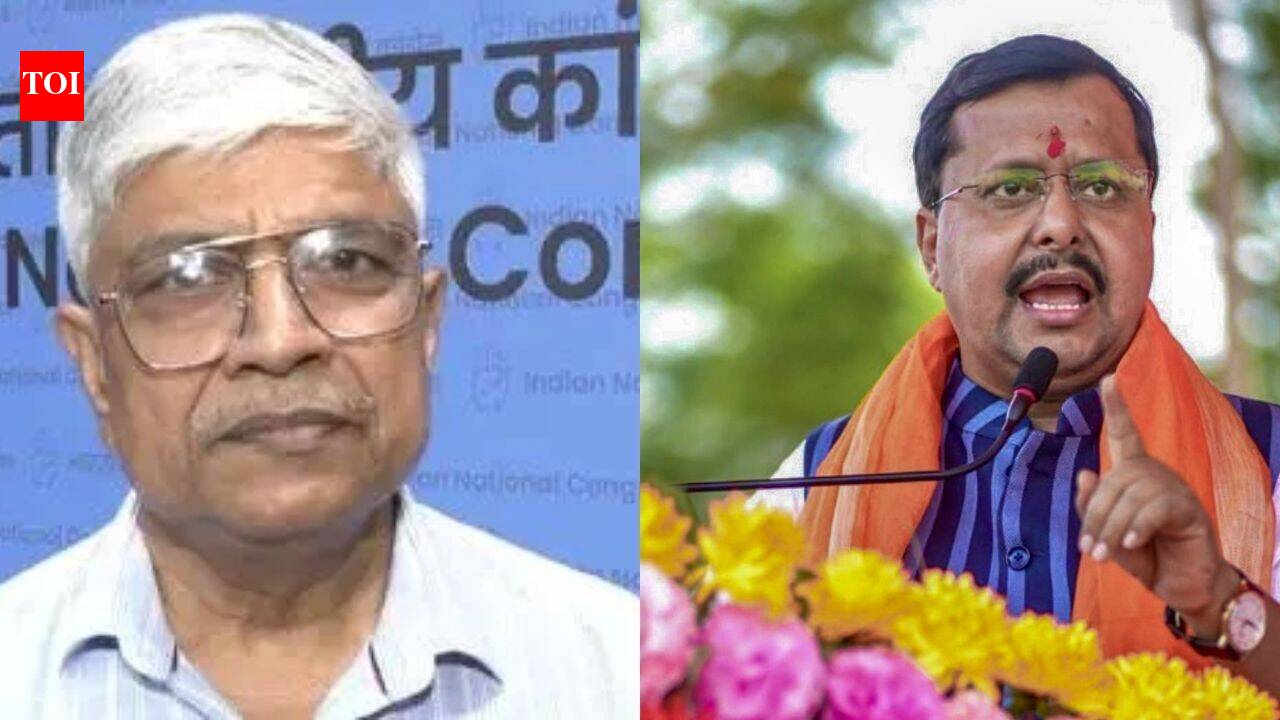
Congress UP in-charge Rajendra Pal Gautam has sparked controversy after making disparaging remarks about the intelligence of people from Bihar while targeting BJP leader Nitin Nabin. This incident highlights the growing intensity of regional political rhetoric and identity-based clashes in Indian discourse.
Political Rhetoric and Identity Politics: The Bihar Controversy
The Incident
Recent political discourse has taken a sharp, divisive turn following remarks made by Congress Uttar Pradesh in-charge Rajendra Pal Gautam. During a public exchange targeting Bharatiya Janata Party (BJP) leader Nitin Nabin, Gautam characterized the people of Bihar with a disparaging sentiment, stating, "Poor Biharis don't know anything." This statement has immediately ignited a firestorm of criticism, placing the Congress party in a defensive position regarding its stance on regional identity and voter respect.
The Context of Regional Identity
Identity politics remains a cornerstone of the Indian electoral landscape. Bihar, a state with a significant demographic influence on national politics, is frequently the subject of both strategic courting and derogatory commentary. By targeting the intellectual capacity of the Bihari population, Gautam’s comments transcend a mere personal attack on Nitin Nabin and instead implicate a broader demographic. Such rhetoric is often employed to undermine opponents, yet it frequently backfires by alienating the very electorate that political parties aim to represent.
Implications for the Congress Party
For the Congress party, these remarks present a significant communication challenge. As the party attempts to regain footing in Uttar Pradesh and beyond, the use of elitist or exclusionary language by senior leadership undermines their efforts to present an inclusive platform. The internal friction caused by these comments often forces the party to distance itself from its representatives, highlighting a disconnect between the party's official national messaging and the localized rhetoric used by its state-level functionaries.
The BJP's Strategic Response
From the perspective of the BJP, such statements serve as a potent tool for narrative building. By framing the Congress party as dismissive of the common citizen—specifically those from marginalized or economically challenged regions like Bihar—the BJP can reinforce its own narrative of being a party that respects the grassroots. This incident provides the ruling party with an opportunity to demand apologies and frame the opposition as disconnected from the realities of the Indian electorate.
Future Trends in Political Discourse
Moving forward, we can expect this incident to be weaponized in upcoming legislative and parliamentary debates. The trend of using regional identity as a wedge issue is likely to intensify as parties compete for influence in the Hindi heartland. As social media continues to amplify such gaffes, the threshold for political accountability is rising, making it increasingly difficult for leaders to walk back derogatory statements once they enter the public domain.
Conclusion
In summary, the controversy surrounding Rajendra Pal Gautam serves as a stark reminder of the volatility of political speech in India. While intended to isolate a political rival, the reduction of an entire state's population to a dismissive stereotype has broader implications for political civility. The incident underscores the urgent need for political parties to adopt more disciplined communication strategies to avoid alienating voters on the basis of regional origin.