Akhilesh Yadav targets BJP after part of Bismillah Khan's house demolished; Varanasi officials deny role
Source Entity
India Latest News: Top National Headlines Today & Breaking News | The Hindu
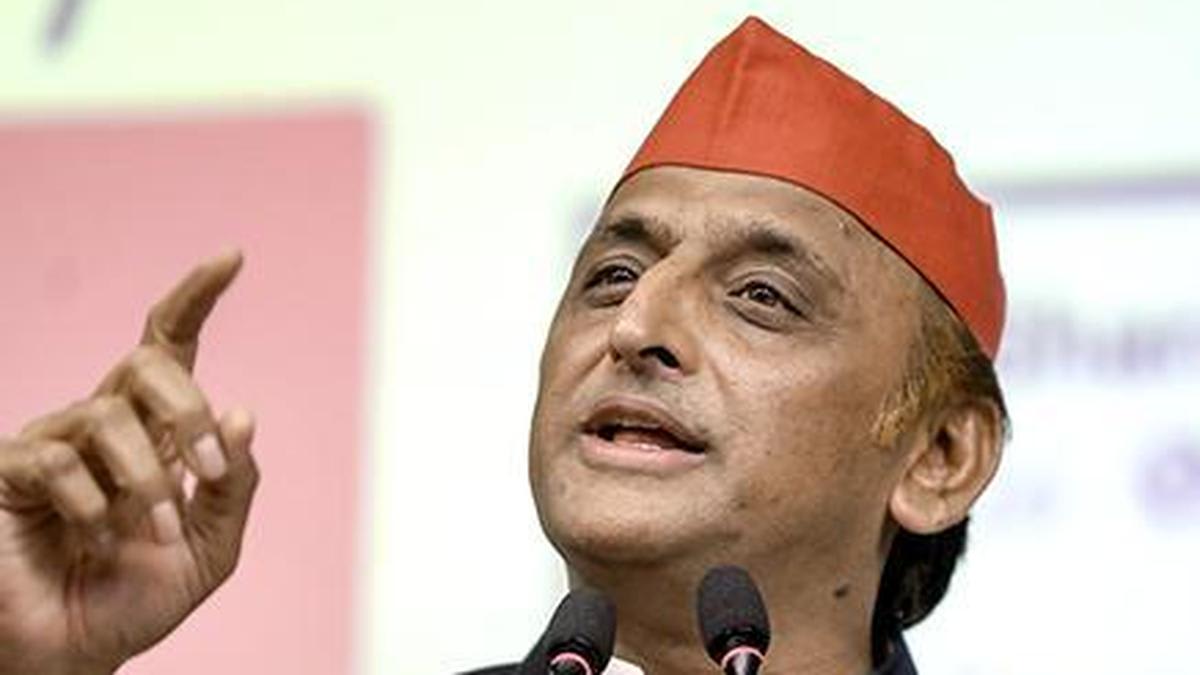
A controversy has emerged following the demolition of a portion of Bismillah Khan's house in Varanasi. While Samajwadi Party leader Akhilesh Yadav accused the BJP of targeting the legacy of the Bharat Ratna awardee, local municipal officials maintain the family demolished the structure themselves.
The Controversy Surrounding Bismillah Khan's Ancestral Home
A significant political and cultural debate has ignited in Varanasi following reports of the partial demolition of the ancestral home of Bharat Ratna awardee and shehnai maestro, Bismillah Khan. The incident has drawn sharp criticism from Samajwadi Party chief Akhilesh Yadav, who has used the event to launch a pointed attack against the ruling Bharatiya Janata Party (BJP) and its political allies, framing the demolition as an act of cultural erasure and narrow-mindedness.
Political Allegations and the Charge of Cultural Erasure
Akhilesh Yadav’s reaction centers on the symbolic weight carried by Bismillah Khan, a figure revered for his contribution to Indian classical music and secular harmony. By labeling the BJP and its allies as "orthodox conservatives with a narrow mindset," Yadav is attempting to position his party as the guardian of India's shared cultural heritage. His argument posits that the destruction of a site associated with a national icon is not merely a localized property issue but a direct affront to the dignity of the nation and its history.
The Administrative Defense
Varanasi Municipal Corporation officials have provided a starkly different account of the events. They explicitly deny any state-sponsored demolition or interference, asserting that the family members of the late maestro initiated the demolition themselves. According to municipal authorities, there had been ongoing discussions regarding the potential conversion of the residence into a museum—a proposal that was reportedly rejected by the family, leading them to proceed with the structural changes independently.
Historical Context and Preservation Challenges
This incident highlights the broader, often contentious issue of heritage preservation in rapidly urbanizing Indian cities. Bismillah Khan’s residence in Varanasi represents a microcosm of the tension between private property rights and the public desire to preserve the living history of national icons. When private owners and local governments fail to reach a consensus on the status of historical sites, the resulting friction often spills over into the political arena, as seen in this case.
Future Implications for Heritage Management
The dispute underscores the need for clearer protocols regarding the maintenance of properties linked to national figures. As the political rhetoric intensifies, the core issue—whether the site was intended to be a museum and why the family chose to alter it—threatens to be overshadowed by partisan narratives. Moving forward, the incident serves as a case study for the complexities involved when private ownership clashes with the public’s sentiment toward historical and cultural landmarks.
Conclusion
While the political blame game continues, the factual discrepancy remains at the heart of this controversy. Whether the demolition was a result of a breakdown in communication regarding a proposed museum or an act of political negligence as suggested by the opposition, the event has successfully placed the protection of cultural legacies back at the forefront of the regional political discourse in Uttar Pradesh.
Verification Required?