Multiple Elector Photo Identity Cards generated for same person during SIR, admits Karnataka Chief Electoral Officer
Source Entity
India Latest News: Top National Headlines Today & Breaking News | The Hindu
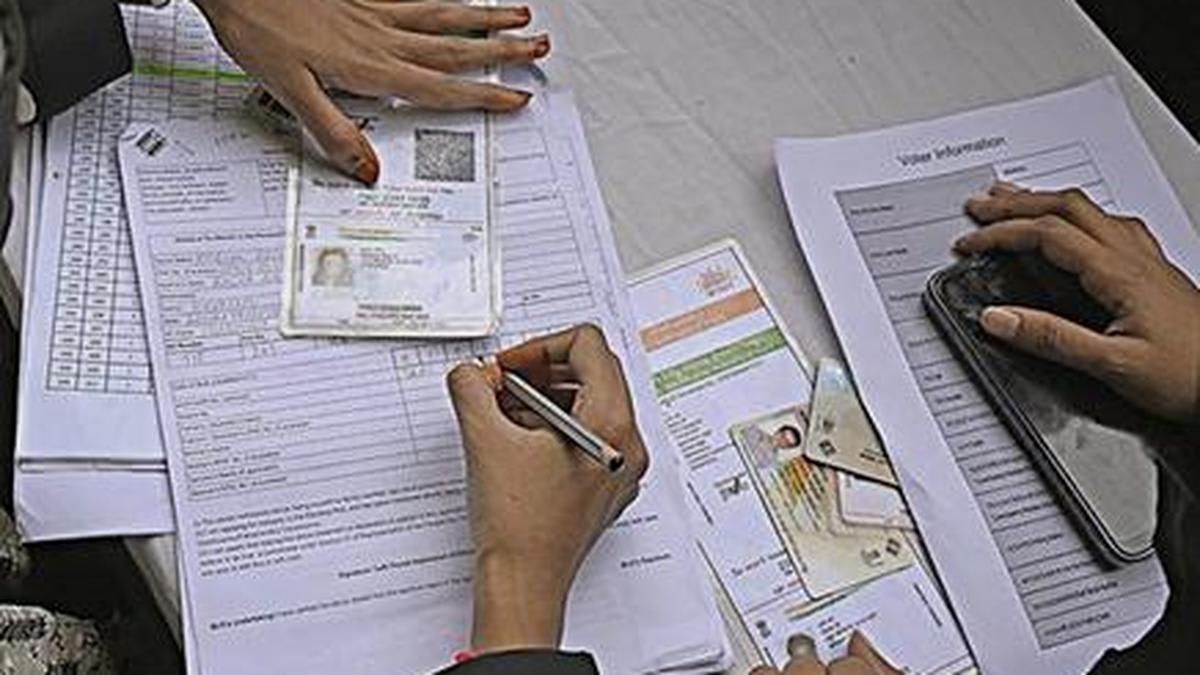
Karnataka's Chief Electoral Officer has acknowledged procedural errors in the electoral roll process following reports of duplicate voter IDs in Mahadevapura. The discrepancies involved hundreds of voters holding multiple IDs and overlapping entries across different constituencies.
Electoral Integrity Concerns in Karnataka
The recent admission by the Karnataka Chief Electoral Officer (CEO) regarding the proliferation of multiple Elector Photo Identity Cards (EPIC) for the same individuals marks a significant challenge to the transparency of the electoral process. Following an investigation by The Hindu, it was revealed that at least 803 voter IDs were linked to only 397 individuals within the Mahadevapura Assembly Constituency. This occurred despite the implementation of a Special Intensive Revision (SIR), a process specifically designed to sanitize electoral rolls and remove duplicate or erroneous entries.
The Impact of Procedural Discrepancies
The core of the issue stems from what the CEO’s office described as “procedural circumstances during data processing.” The investigation highlighted that not only were multiple IDs issued within a single constituency, but in several instances, the exact same EPIC number appeared on the final electoral rolls of two distinct Assembly constituencies simultaneously. This cross-constituency duplication suggests a failure in the centralized database verification protocols meant to prevent a single voter from being registered in multiple locations, a critical safeguard for the principle of 'one person, one vote.'
Challenges in Data Management
According to the official response, the errors were exacerbated during the SIR when applicants submitted multiple Form 6 applications. Form 6 is the standard document used for the inclusion of names in the electoral roll. The fact that the system allowed these multiple submissions to result in duplicate IDs indicates a lack of robust deduplication logic at the point of data entry. When systems fail to cross-reference new applications against existing biometric or demographic data effectively, the resulting electoral roll loses its status as a reliable record of the electorate.
Broader Implications for Democracy
Electoral rolls serve as the foundation of any democratic exercise. When these rolls are compromised by duplicate entries, it opens the door to allegations of electoral malpractice and undermines public trust in the administration of elections. In a constituency like Mahadevapura, which has seen rapid urbanization and population shifts, the administrative burden on election officials is immense. However, technical glitches that allow for multiple voter identities create opportunities for systemic manipulation, even if the primary cause here was identified as administrative oversight.
Future Trends and Reform
To restore confidence, the Election Commission must transition toward more sophisticated, AI-driven data verification methods that can flag duplicate submissions in real-time. The reliance on manual or semi-automated processing during Intensive Revisions is clearly insufficient for the scale of modern voter populations. Moving forward, the Karnataka CEO’s office will likely need to conduct a comprehensive audit of the rolls to purge these duplicate entries definitively. Strengthening the integration between the EPIC database and other identity verification frameworks will be essential to ensure that future electoral cycles are not marred by similar data integrity scandals.
Verification Required?