Risk of Iran war escalation remains high despite Democratic sweep in U.S. midterm elections
Source Entity
US Top News and Analysis
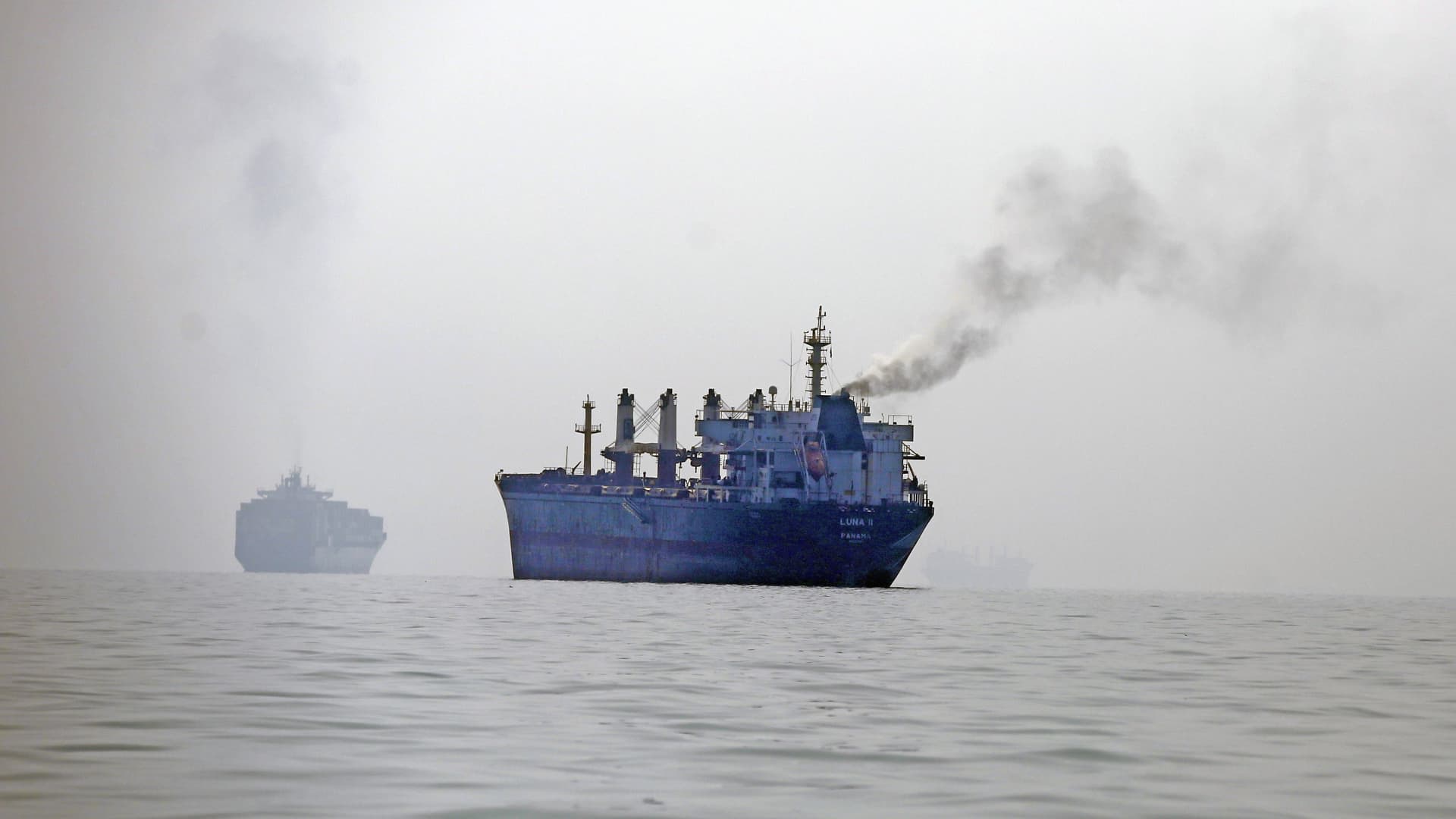
Following a historic midterm defeat, the Trump administration faces pressure to end the ongoing war with Iran. While Democratic majorities prepare to pass a war powers resolution, lingering regional tensions keep the threat of escalation high.
The Aftermath of the Midterm 'Blue Tsunami'
The recent United States midterm elections have resulted in a significant shift in the political landscape, with the Democratic Party securing firm control over both chambers of Congress. This outcome, characterized by many as a 'Blue Tsunami,' saw the Republican Party suffer historic losses, even within regions previously considered traditional strongholds. Analysts suggest that the electorate's dissatisfaction was largely driven by a severe cost-of-living crisis, which was further intensified by President Donald Trump’s protectionist tariff policies and the ongoing military conflict with Iran.
The Economic Toll of Foreign Conflict
The war with Iran has acted as a primary catalyst for domestic economic instability, most notably through its impact on global energy markets. The conflict has caused significant volatility in fuel prices, directly burdening American households. This economic pressure was a central theme during the campaign, and following the election results, Vice President J.D. Vance explicitly identified the war as a primary driver of the Republican party’s electoral failure. The acknowledgement from high-ranking officials that the conflict contributed to this political wipeout highlights the precarious intersection of foreign policy and domestic electoral success.
Market Reactions and Political Accountability
Financial markets have reacted sharply to the shifting political winds. Crude oil prices experienced a notable decline of more than 16% over the last five trading days, reflecting investor optimism that the election results might signal an end to the hostilities. This market behavior underscores the sensitivity of global energy supplies to the U.S.-Iran diplomatic relationship. However, the path toward peace remains fraught with uncertainty, as the administration’s future strategy regarding the region remains in flux.
Legislative Hurdles and the Lame-Duck Period
While the Democratic Party plans to utilize its newfound legislative authority to pass a war powers resolution demanding an immediate end to the conflict, the process faces a significant timeline hurdle. Because the new Congress is not sworn in until January, there exists a critical 'lame-duck' window where the current administration retains its executive power. During this period, the risk of military escalation remains high, as the geopolitical tensions in the Middle East have not subsided despite the domestic electoral shift.
Future Outlook: Diplomacy vs. Escalation
The central question now facing the White House is whether a defeated administration will seek to salvage its legacy through a diplomatic breakthrough or choose to escalate the conflict further. While initial signals from President Trump have appeared mixed, the pressure from his own party leadership to pivot away from the war is mounting. The coming months will be a defining period for U.S. foreign policy, as the administration balances internal political survival with the volatile realities of international security. Whether the U.S. pursues a path of de-escalation will depend largely on how the administration interprets the mandate provided by the midterm results.