BJP leaders rationalising Chinese actions, says Congress after Arunachal CM’s remarks
Source Entity
India Latest News: Top National Headlines Today & Breaking News | The Hindu
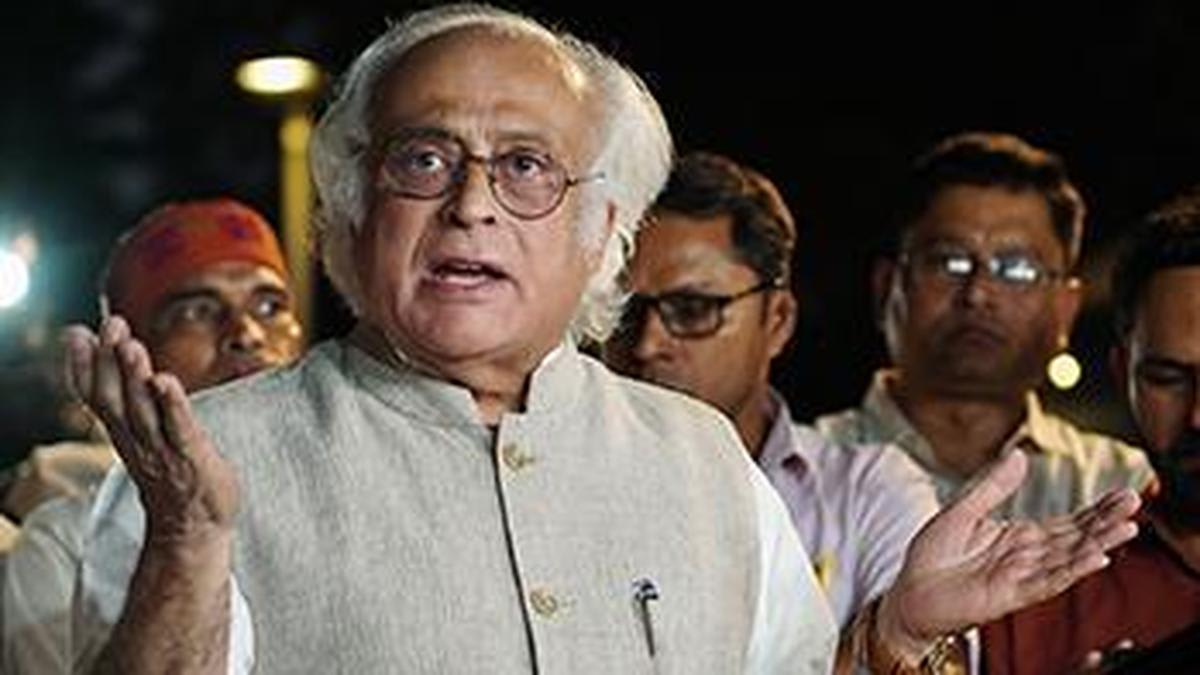
The Congress party has criticized Arunachal Pradesh CM Pema Khandu for downplaying Chinese border incursions. This follows ITBP reports of ongoing face-offs, sparking a political debate over the government's stance on national security.
Border Security and Political Accountability
The political discourse surrounding the India-China border in Arunachal Pradesh has intensified following comments made by Chief Minister Pema Khandu. By suggesting that Chinese incursions are incidents that "keep happening" and are "nothing new," the Chief Minister has drawn sharp criticism from the Congress party. This rhetoric has reignited a broader debate regarding the transparency of the government's border management policies and the consistency of its communication to the public.
Contradictions in Official Narratives
Congress leader Jairam Ramesh has highlighted a significant disconnect between the Chief Minister's current remarks and his previous dismissals of reports regarding Chinese incursions in the Taksing region. The opposition argues that such shifting narratives undermine the gravity of territorial integrity issues. By comparing these statements to Prime Minister Narendra Modi’s post-Galwan assertion that no one had entered Indian territory, the Congress is attempting to frame a pattern of systemic downplaying of external threats.
The ITBP Perspective
The friction is further complicated by the recent confirmation from the Indo-Tibetan Border Police (ITBP) chief, who acknowledged face-offs at several locations within Arunachal Pradesh. The fact that these confrontations are reported as "continuing" suggests a persistent tactical challenge at the Line of Actual Control (LAC). The discrepancy between the security forces’ operational assessment and the political leadership’s characterization of these events as "normal" creates a volatile environment for public discourse.
Implications for National Security
Labeling these border transgressions as routine or normal events carries significant geopolitical implications. Critics argue that such language risks institutionalizing a sense of complacency, potentially impacting the morale of border communities and the strategic posture of the nation. When local leadership adopts a narrative of normalization, it can be perceived as an attempt to avoid the political cost of acknowledging the complexities of ongoing border tensions.
Future Trends and Political Fallout
Moving forward, the pressure on the ruling BJP to reconcile its stated position with the realities on the ground is likely to mount. As the Congress continues to challenge the government on its "na koi ghusa hai" (no one has entered) narrative, the border issue will likely remain a central pillar of opposition strategy. The future of this debate will depend on the frequency of future incursions and the ability of the government to provide a more detailed and consistent account of its border security strategy to the Indian electorate.
Conclusion
The controversy underscores the delicate balance between maintaining national morale and acknowledging the hard realities of frontier security. While the government attempts to frame these incidents within a framework of manageable border friction, the opposition is leveraging the ITBP’s operational reports to demand greater accountability and transparency, ensuring that the situation in Arunachal Pradesh remains a critical flashpoint in domestic politics.
Verification Required?