Delhi Confidential: Language No Bar
Source Entity
The Indian Express
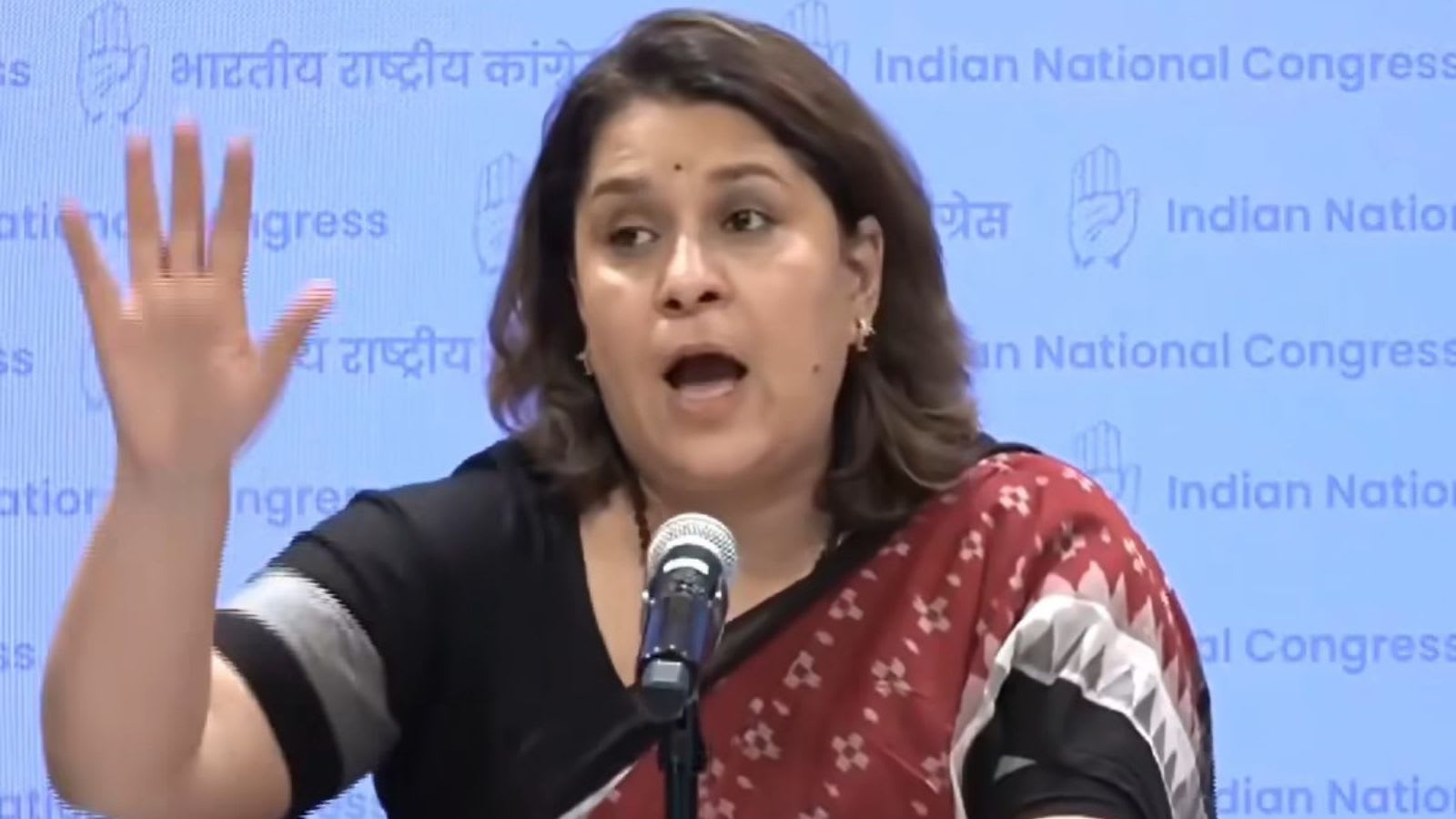
The Congress social media team manually translated Sonia Gandhi’s article on India's education system into 11 regional languages. The party opted for human translation over AI to ensure accuracy and nuance across state-level communications.
Strategic Communication: The Congress Translation Effort
Recent reports highlight a significant logistical undertaking by the Indian National Congress’s social media department. Under the leadership of senior party figure Supriya Shrinate, the team faced the task of disseminating Congress Parliamentary Party Chairperson Sonia Gandhi’s recent newspaper article concerning the perceived collapse of the national education system. The objective was to ensure that the critique reached a diverse, multilingual audience across the country, necessitating a swift and effective translation strategy.
The Human-Centric Approach to Political Messaging
Notably, the party made a conscious decision to eschew Artificial Intelligence (AI) tools in favor of human translation. By tasking regional state teams with the translation process, the Congress aimed to preserve the intended nuance, cultural context, and rhetorical impact of Gandhi’s writing. In an era where automated translation is increasingly common, this reliance on human expertise reflects a desire to avoid the potential inaccuracies or tone-deaf phrasing often associated with machine-generated content in complex political discourse.
Challenges in Decentralized Coordination
Despite the strategic intent, the execution revealed the inherent difficulties of coordinating a decentralized political organization. The process was not without friction; reports indicate that senior leadership in Delhi expressed frustration regarding the varying response times from state-level units. This tension underscores the persistent challenge of maintaining synchronized messaging in a large, geographically dispersed political party where the pace of digital communication often outstrips traditional organizational workflows.
Broadening the Reach of Political Discourse
Ultimately, the article was successfully translated into 11 regional languages, including Telugu, Gujarati, and Punjabi. By tailoring the content for regional social media handles, the Congress ensured that its critique of the education system was accessible to voters in their native languages. This move is significant, as it demonstrates an understanding that effective political mobilization in India requires deep engagement with regional linguistic identities rather than a one-size-fits-all approach.
Historical Context and Future Implications
This episode serves as a case study for the evolving nature of political communication in India. While AI technology continues to advance, the preference for human-led translation suggests that political entities still value the 'human touch' when addressing sensitive policy issues like education. Moving forward, political parties will likely continue to balance the speed of digital tools against the need for authentic, culturally resonant messaging as they compete for influence in a crowded digital media landscape.