15 Punjabi-origin candidates win as British Columbia Conservatives sweep to power
Source Entity
The Indian Express
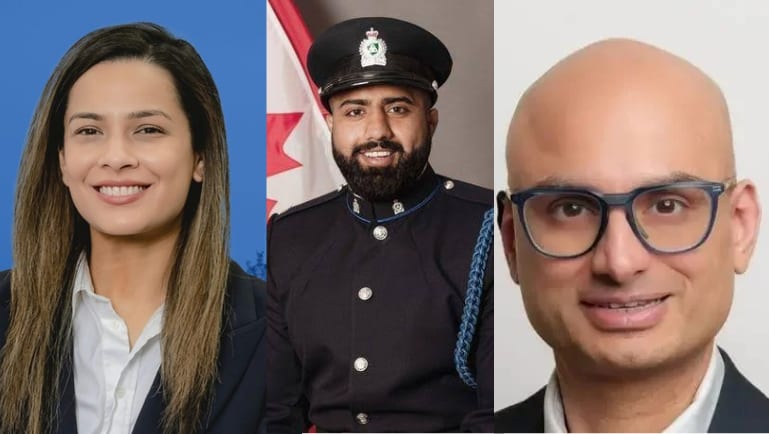
The Conservative Party of British Columbia has achieved a decisive victory over the NDP, shifting the provincial power balance. Notably, 15 candidates of Punjabi origin secured seats, marking a significant evolution in the region's political representation.
A Historic Political Shift in British Columbia
The political landscape of British Columbia underwent a seismic shift on October 24, as the Conservative Party secured a commanding lead, effectively ending the tenure of the incumbent New Democratic Party (NDP). The election, triggered by an early call from NDP leader David Eby, resulted in a decisive mandate for the Conservatives, who were leading in 64 out of 93 seats. This transition marks a departure from the previous administration's policies and signals a broader appetite for political change among the electorate.
The Rise of Punjabi-Origin Representation
A defining feature of this election cycle is the unprecedented success of candidates of Punjabi origin. Preliminary figures indicate that 15 such candidates have been elected to the provincial legislature. This outcome is particularly noteworthy for its bipartisan distribution: 12 of these successful candidates represent the Conservative Party, while three represent the NDP. This diversification highlights a growing trend of political integration and active civic engagement among the Punjabi community in British Columbia.
Analyzing the Electoral Dynamics
The defeat of the NDP, which secured only 27 seats, serves as a significant setback for the party’s long-standing influence in the province. The early election call, intended to solidify the NDP's position, appears to have backfired, as voters turned toward the Conservative platform. With the Green Party securing only two seats, the legislative body is now dominated by a strong Conservative majority, setting the stage for a new legislative agenda that will likely prioritize the issues that resonated most during the campaign.
Implications for Community Leadership
The presence of 15 Punjabi-origin MLAs in the new assembly represents a shift in how minority communities navigate provincial politics. By successfully securing seats across party lines—specifically with a strong showing for the Conservatives—these individuals have demonstrated that the community is not tethered to a single political ideology. This evolution suggests that future provincial policies will need to be increasingly sensitive to the diverse demographics that now hold significant voting and representative power.
Looking Toward the Future
As the Conservative government prepares to take the helm, the focus will inevitably turn to their ability to deliver on campaign promises. The high number of Punjabi-origin representatives in the caucus could play a pivotal role in shaping the new government's approach to local infrastructure, economic development, and immigration policy. This election serves as a case study in how rapidly shifting demographics and strategic candidate selection can redefine the power structure of a Canadian province.
Conclusion
The October 24 election result is more than just a change in party leadership; it is a realignment of British Columbia's political fabric. The combination of a Conservative sweep and the heightened representation of the Punjabi community marks a definitive chapter in the province's history. As the new administration settles into power, the diverse legislative body will be watched closely to see how these newly elected officials balance their party mandates with the interests of their constituents.