11 ‘unauthorised’ UPI transactions drain bank account, Punjab man wins Rs 82,000
Source Entity
Vineet Upadhyay
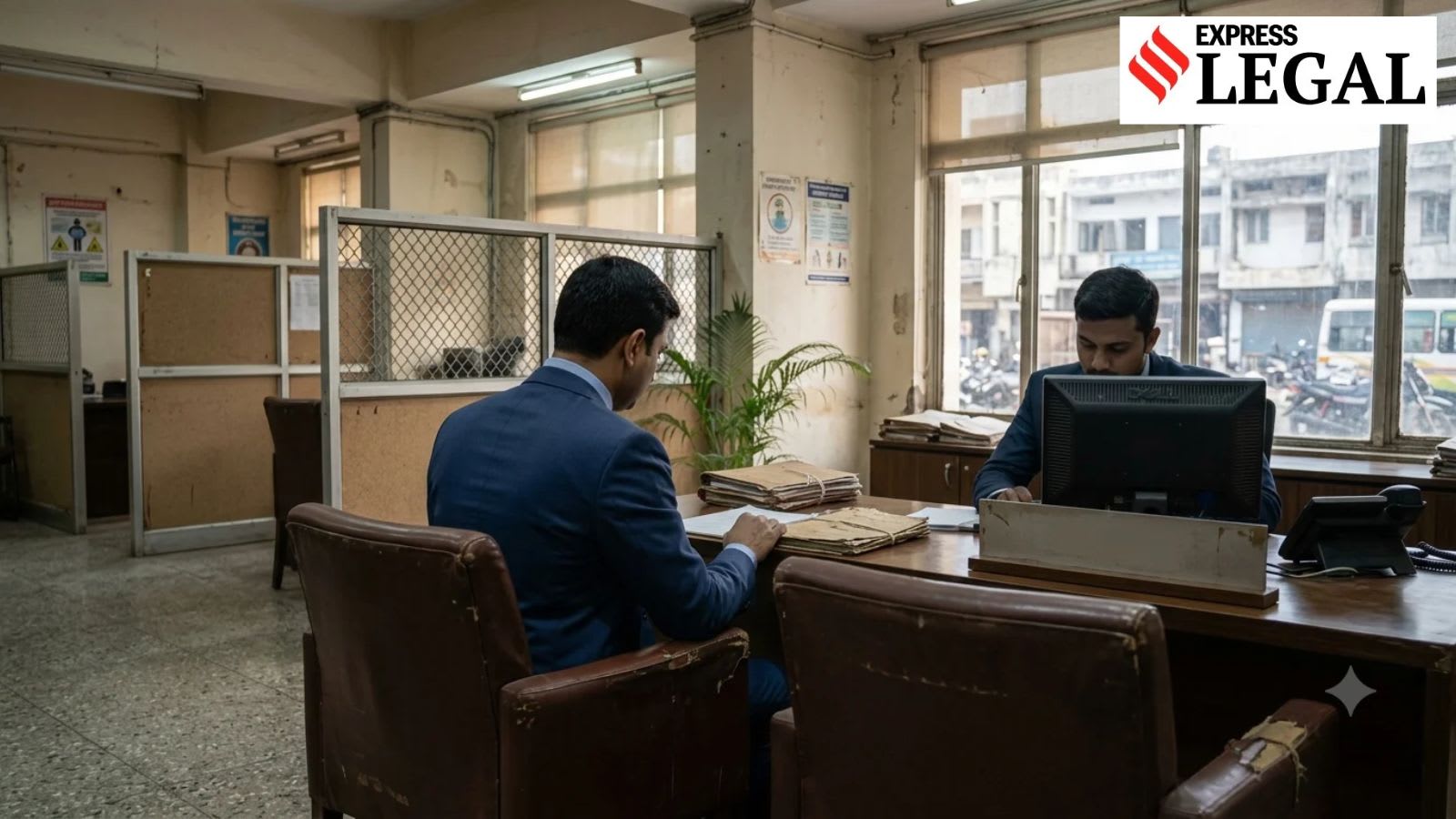
Consumer commissions in India have recently ruled in favor of citizens in two separate cases involving digital financial fraud and deficient interior design services. These rulings highlight growing institutional support for consumer protection against banking negligence and professional service failures.
Strengthening Consumer Rights: A Landmark Shift in Accountability
Recent rulings by consumer dispute redressal commissions in Punjab and Delhi underscore a significant trend in the Indian legal landscape: the shifting burden of proof from the consumer to the service provider. In the case of Vijay Kumar, a Bathinda resident, the Punjab State Consumer Disputes Redressal Commission held a bank liable for unauthorized UPI transactions despite the bank’s defense that the transactions were authenticated by a private MPIN. This decision serves as a pivotal precedent, signaling that financial institutions cannot simply cite security protocols to absolve themselves of liability when digital security systems are bypassed.
The Digital Banking Liability Debate
The core of the Punjab commission’s argument lies in the rejection of the notion that a compromised MPIN automatically shifts the fault to the account holder. By ruling that the bank's defense was insufficient, the commission is effectively pushing for more robust security oversight from financial institutions. In an era of rapid digital transformation, where UPI transactions are the backbone of the Indian economy, this ruling forces banks to take greater responsibility for the systemic vulnerabilities that allow 'unauthorised' transactions to occur, ultimately providing a safer environment for digital-first consumers.
Accountability in Professional Services
Parallel to the banking case, the Delhi consumer commission’s ruling regarding a Gurgaon-based interior design project highlights the growing intolerance for deficient service in the private sector. When Shaurya Roy and his wife faced significant project delays and furniture defects, the commission intervened to ensure compensation. This case serves as a warning to service providers that strict adherence to timelines and quality standards is not optional. It also clarifies the legal boundaries of liability, noting that while designers are responsible for their services, they are not necessarily liable for delays stemming from third-party contractors hired independently by the client.
Consumer Protection as a Pillar of Trust
These cases illustrate that the consumer court system is becoming increasingly responsive to the complexities of modern life. Whether it is the intricacies of digital banking fraud or the frustrations of home renovation, the judiciary is acting as a necessary check on corporate and professional negligence. For the average consumer, these victories provide a clear pathway for recourse, encouraging individuals to document grievances and pursue legal remedies when professional agreements are violated.
Future Trends and Institutional Impact
Looking forward, we can expect these rulings to influence how companies draft service agreements and how banks handle cybersecurity disputes. As digital fraud continues to evolve, the expectation for banks to implement more sophisticated fraud-detection mechanisms will only grow. Simultaneously, the interior design and construction industry will likely face increased pressure to provide transparent timelines and higher quality control. These rulings do not just provide individual relief; they set a standard for corporate conduct that benefits the broader public interest, fostering a marketplace built on transparency and accountability.