‘Eat Biryani, but from a Hindu’s shop’: Posters in Bengal before Durga Puja
Source Entity
Ravik Bhattacharya
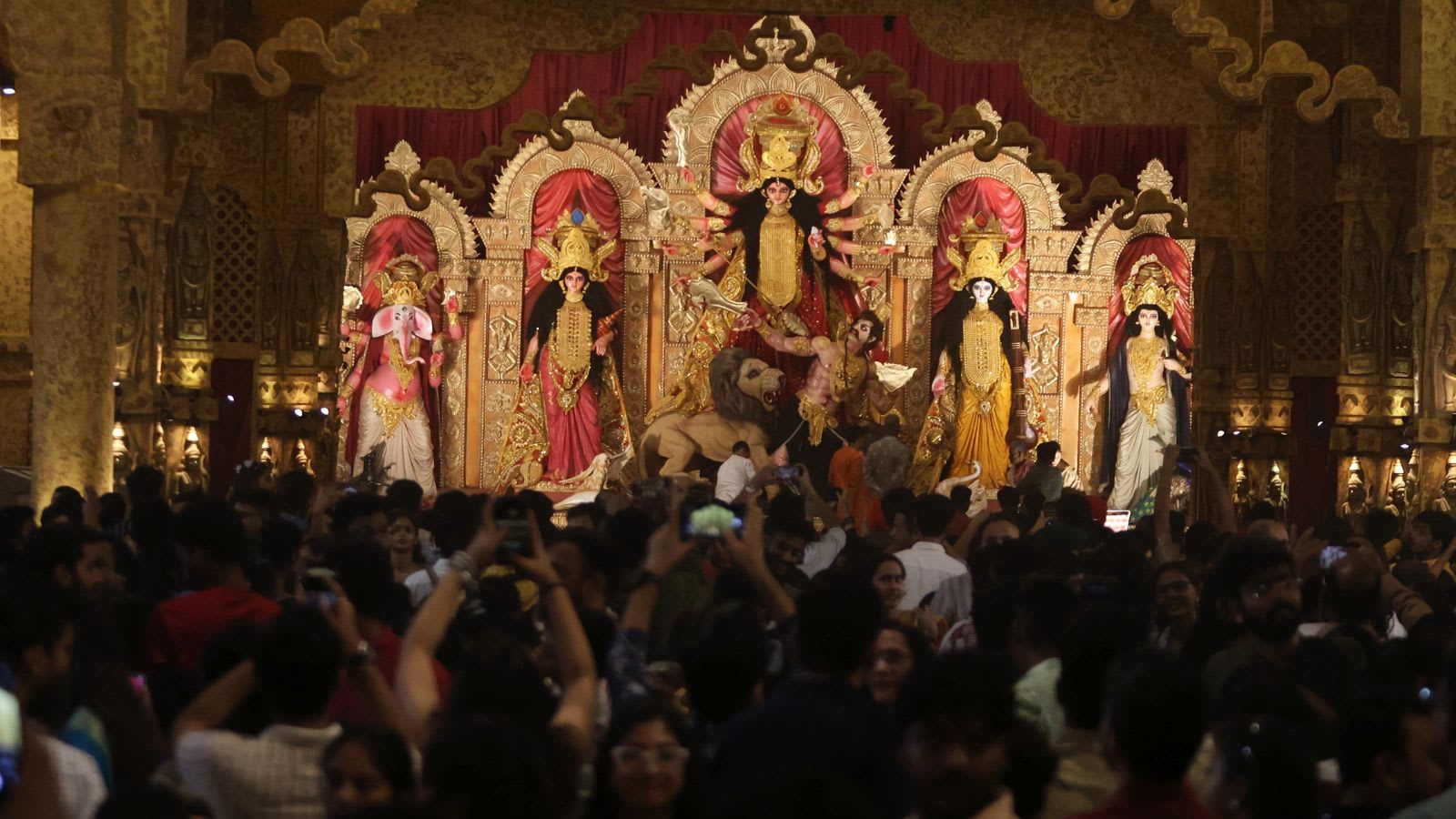
Posters in Siliguri urging residents to purchase food and goods exclusively from Hindu traders during Durga Puja have sparked controversy. While the Hindu Jagran Manch claims this supports community economic growth, opposition leaders have condemned the move as a challenge to secular values.
Tensions Rise in West Bengal Ahead of Durga Puja
As West Bengal approaches its most significant cultural event, Durga Puja, the festive atmosphere in Siliguri has been marked by a divisive development. Hundreds of posters have appeared across the city, explicitly calling on the public to purchase items and consume food—specifically Biryani—only from Hindu-owned establishments. This development has reignited long-standing debates regarding the intersection of religious identity, regional culinary culture, and commercial practices during major public festivals.
The Role of the Hindu Jagran Manch
The Hindu Jagran Manch has claimed responsibility for these posters, framing their campaign as an economic empowerment initiative rather than an exclusionary act against other communities. According to their representatives, the intent is to ensure that Hindu traders receive the primary financial benefits of the increased consumer spending that characterizes the Puja season. However, this logic has been met with significant pushback from various sections of the public who view the messaging as a direct attempt to compartmentalize the local economy based on religious lines.
Secularism and Political Discourse
The appearance of these posters has prompted a sharp response from the political Opposition, which has criticized the move as antithetical to the secular principles of the country. By targeting the ruling party, critics argue that such rhetoric fosters communal disharmony in a state known for its inclusive cultural heritage. The controversy highlights a broader political struggle in West Bengal, where the definition of public space and social integration is increasingly becoming a point of contention between competing ideological camps.
Government Beautification vs. Social Friction
In a contrasting narrative of the state’s current climate, the capital city of Kolkata is undergoing a massive beautification drive under the new BJP government. Roads, flyovers, and intersections are being painted in vibrant colors, and officials like Cabinet Minister Agnimitra Paul have been actively participating in traditional alpona art. While the government frames these efforts as symbols of "love and brotherhood" and a celebration of their electoral mandate, the juxtaposition of this aesthetic transformation with the exclusionary posters in Siliguri reveals a complex and polarized sociopolitical landscape.
Broader Implications and Future Trends
This incident reflects a wider trend where local religious festivals are increasingly becoming platforms for organized socio-economic movements. By attempting to dictate consumer behavior through public signage, groups are challenging the traditional, pluralistic nature of Bengali markets. As the state moves forward, the ability of local authorities to balance the celebration of cultural heritage with the maintenance of social cohesion will be critical. The tension between aesthetic development in the capital and communal rhetoric in the north suggests a challenging period for administrative stability and social harmony in the coming months.