NY's governor appoints special prosecutor in Cornell frat rape investigation
Source Entity
BBC News
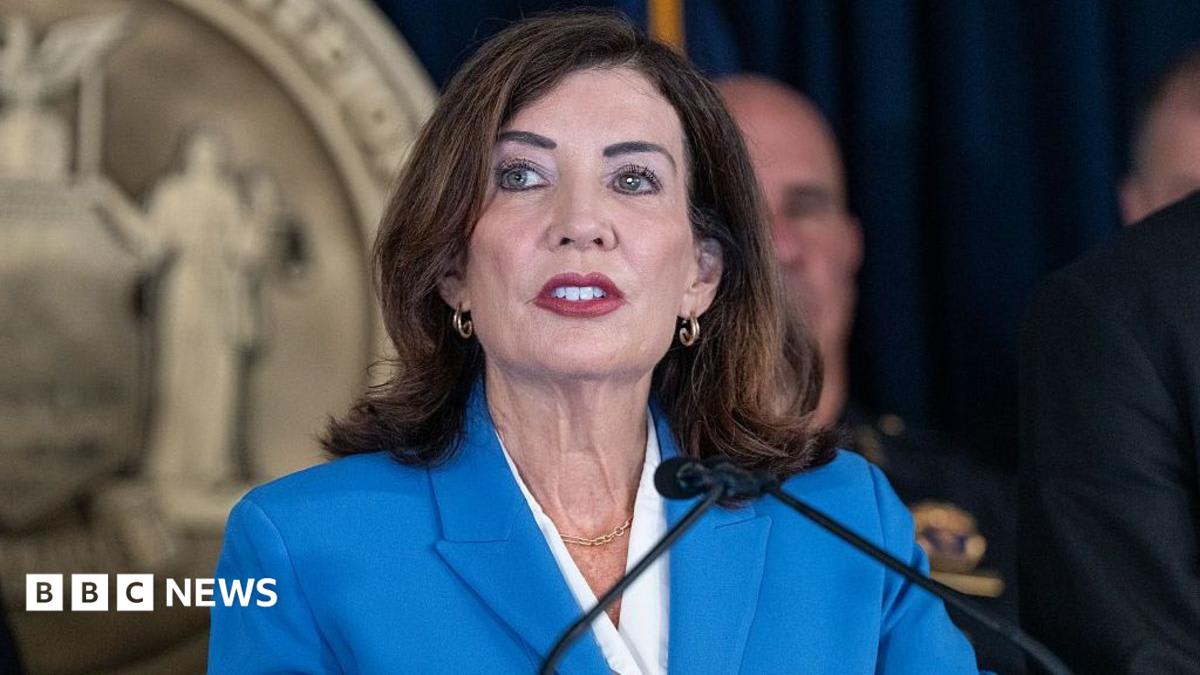
Cornell University is facing intense scrutiny following a 2024 sexual assault allegation at a fraternity house. New records and a civil lawsuit have sparked campus-wide protests and calls for legal reform regarding how such cases are handled.
The Cornell University Sexual Assault Controversy: A Crisis of Process and Accountability
Recent revelations regarding a 2024 sexual assault allegation at Cornell University have ignited a fierce debate concerning campus safety, institutional transparency, and the legal protocols surrounding sexual violence. The case, involving a student identified as "Jane Doe," centers on an incident at the Chi Phi fraternity house that has since spiraled into a complex intersection of Title IX proceedings, criminal investigations, and civil litigation.
The Evolution of a Legal Claim
Newly obtained records from Cornell’s internal investigations shed light on the critical weeks following the October 2024 encounter. Initially, the complainant did not classify the event as rape. However, as the Title IX process unfolded, her understanding of the interaction evolved, ultimately prompting her to report the incident to campus police and undergo a forensic rape examination. This shift highlights the nuanced and often delayed psychological processing that survivors of sexual trauma frequently experience, a factor often misunderstood by institutional and legal investigative frameworks.
Discrepancies and Institutional Scrutiny
Adding to the controversy is the allegation that police failed to include the student's explicit statement, "I was raped," in her official report. This omission has become a focal point of her civil lawsuit filed on September 16. The lawsuit alleges that the plaintiff was drugged and assaulted, directly challenging the university’s handling of the incident. While Cornell has publicly rejected claims of negligence and failing to discipline involved parties, the university has conceded to the necessity of an independent investigation to restore public and student trust.
Campus Climate and Student Activism
In response to these developments, the Cornell Student Assembly held a public hearing that served as a lightning rod for student frustration. Attendees voiced deep-seated concerns regarding "rape culture" and the adequacy of current safety protocols on campus. The hearing reflected a broader national trend where student bodies are increasingly demanding institutional accountability, signaling that the university's internal measures are being perceived as insufficient by the very community they are intended to protect.
Broader Implications for Higher Education
This case is symptomatic of a larger systemic struggle within American universities to balance the rights of accused students with the obligation to protect and support survivors. The push for changes to New York state law, spurred by this specific incident, suggests that the current legislative framework for handling sexual assault on college campuses may be undergoing a period of intense re-evaluation. As Cornell navigates the dual pressures of a civil lawsuit and an independent investigation, the outcomes of these proceedings will likely serve as a precedent for how higher education institutions address allegations of sexual misconduct in the future.