Rs 116.84-crore CSCL-IDFC First Bank fraud case | ‘Cash delivery of Rs 50 lakh, renovation worth Rs 45 lakh, but no payment made’
Source Entity
Jagpreet Singh Sandhu
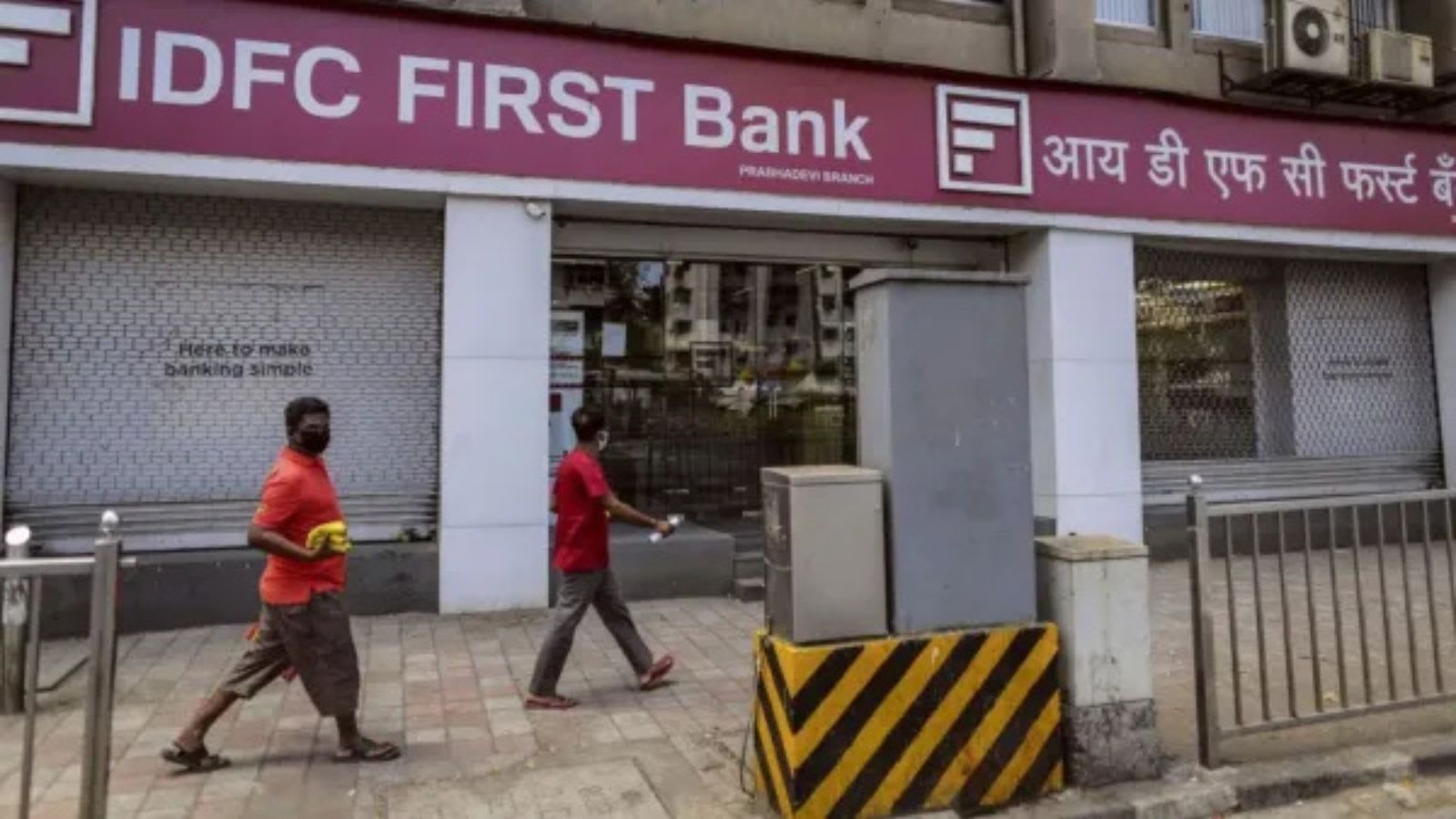
The CBI has filed a chargesheet against former CSCL CFO Nalini Malik in a Rs 116.84-crore fraud case involving IDFC First Bank. Digital evidence, including QR-code visitor logs and transaction records, reportedly links Malik to the unauthorized management of CSCL financial affairs.
The CSCL-IDFC First Bank Fraud: A Deep Dive into Corporate Malfeasance
The Chargesheet and Digital Footprint
The recent filing of a chargesheet by the Central Bureau of Investigation (CBI) marks a significant escalation in the Rs 116.84-crore fraud case involving Chandigarh Smart City Limited (CSCL) and IDFC First Bank. At the center of this probe is Nalini Malik, the former Chief Financial Officer (CFO) of CSCL. The agency has anchored its case in a robust collection of digital evidence, which serves to bridge the gap between administrative oversight and alleged criminal intent. This evidence includes WhatsApp communications, call detail records (CDRs), and specific banking transaction logs that suggest a sophisticated manipulation of funds.
The Role of Digital Evidence in Modern Investigations
What makes this case particularly notable is the reliance on granular digital footprints. Investigators utilized QR-code visitor passes generated for residential society entries to place the accused within specific physical contexts, demonstrating how modern forensic techniques now transcend traditional paper trails. By correlating these physical movements with SMS alert logs provided by IDFC First Bank, the CBI has constructed a timeline that allegedly shows Malik’s direct involvement in the unauthorized debiting of CSCL accounts. This underscores a growing trend in financial crime investigations where digital metadata is as critical as signed financial documents.
Financial Mismanagement and Accountability
The chargesheet explicitly identifies Malik as an authorized signatory who bore the primary responsibility for the financial health and management of CSCL. The allegations suggest a systematic abuse of this position, specifically highlighting instances of unexplained expenditures, such as a Rs 50 lakh cash delivery and Rs 45 lakh in renovation costs for which no legitimate payments were recorded. These discrepancies point to a broader failure in internal corporate governance, where the lack of checks and balances allowed an individual in a position of trust to divert substantial public funds.
Broader Implications for 'Smart City' Projects
This scandal carries heavy implications for the 'Smart City' initiative, a flagship urban development project in India. When entities tasked with public infrastructure development become embroiled in multi-crore financial frauds, it erodes public trust and threatens the continuity of essential urban projects. The CSCL-IDFC case serves as a cautionary tale for government-linked special purpose vehicles (SPVs), highlighting the urgent need for more stringent, transparent, and automated financial audit systems to prevent the embezzlement of public capital.
Future Trends in Financial Compliance
Moving forward, this case will likely catalyze a shift toward more rigorous oversight for public-private financial partnerships. We can expect regulatory bodies to mandate more robust multi-factor authorization processes for bank accounts linked to government entities. As the judicial process unfolds, the outcome will set a precedent for how 'authorized signatories' are held accountable for the digital footprints they leave behind. The focus will remain on whether these digital proofs can withstand the scrutiny of the courtroom, potentially changing the landscape of financial litigation in India forever.