One year, 100 walks: ‘Cubbon Walks’ inspires citizens to engage with Bengaluru’s diverse flora and fauna
Source Entity
India Latest News: Top National Headlines Today & Breaking News | The Hindu
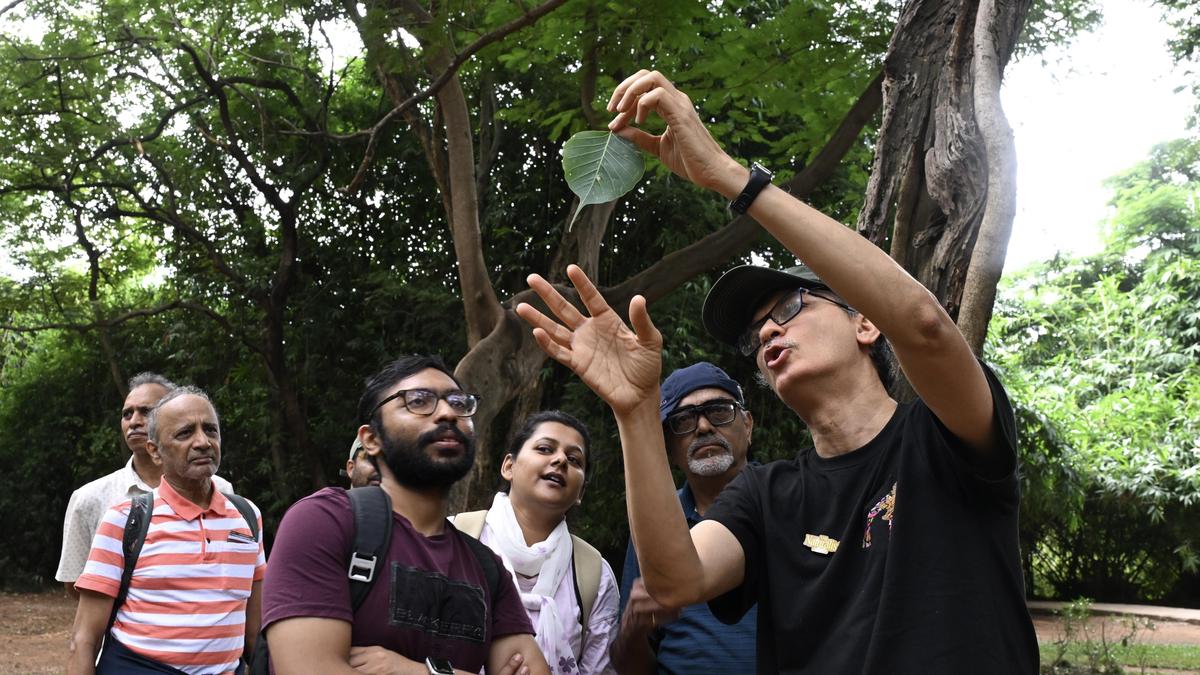
The 'Cubbon Walks' initiative recently celebrated its one-year anniversary, promoting environmental awareness in Bengaluru's iconic park. The program educates citizens on local biodiversity while sparking important debates regarding urban conservation and the impact of concrete development.
Celebrating a Year of Ecological Engagement
The 'Cubbon Walks' initiative has officially marked its one-year milestone, a testament to the growing interest in urban biodiversity within Bengaluru. Organized through a collaborative effort between the Karnataka State Department of Horticulture (KSDH), the Cubbon Park Walkers Association, Bangalore WALKS, and The Naturalist School, the program has consistently provided educational weekend sessions. By hosting walks every Saturday and Sunday from 7:30 a.m. to 9:00 a.m., organizers have successfully created a structured environment for citizens to reconnect with the park's diverse flora and fauna.
Unveiling the Complexity of Nature
Beyond mere exercise, these walks serve as an immersive outdoor classroom. Participants, such as Prasanna Kumar, have highlighted the depth of knowledge shared during these sessions. A particularly compelling example shared by the guides involves the symbiotic relationship between the ficus tree (locally known as atti hannu) and the fig wasp. Understanding that this fruit cannot form without the specific intervention of the wasp illustrates the delicate, interdependent nature of the park’s ecosystem—a reality often overlooked by the average city dweller.
The Anniversary Milestone
On July 28, 2026, the anniversary event drew approximately 40 participants, signaling a dedicated community interest in the initiative. This gathering was more than just a celebratory walk; it was a reflection of the program's success in fostering a sense of stewardship among Bengaluru residents. By facilitating these interactions, the organizers are effectively transforming the park from a passive green space into an active hub for environmental literacy.
Urbanization vs. Conservation
The program has also become a platform for critical discourse regarding the future of urban infrastructure. As noted by participants during the anniversary, there is a growing tension between the preservation of green lungs and the encroachment of concrete. Mr. Prasanna’s call for the State government and horticulture officials to halt further concretization reflects a broader, urgent concern among Bengaluru's citizens: the protection of the city’s remaining natural heritage against the pressures of rapid urban development.
Future Implications for Urban Green Spaces
Looking ahead, the longevity of 'Cubbon Walks' suggests a scalable model for other urban centers. As cities continue to expand, initiatives that bridge the gap between scientific experts and the public are essential for creating informed advocacy groups. The success of this program demonstrates that when citizens are educated about the specific biological intricacies of their environment, they become more vocal and invested in protecting those spaces from degradation. The future of Bengaluru’s parks may well depend on the continued success of such community-led educational efforts.
Verification Required?