'All this food is now useless': Piles of rubbish after shop freezers hit by cyber-attack
Source Entity
BBC News
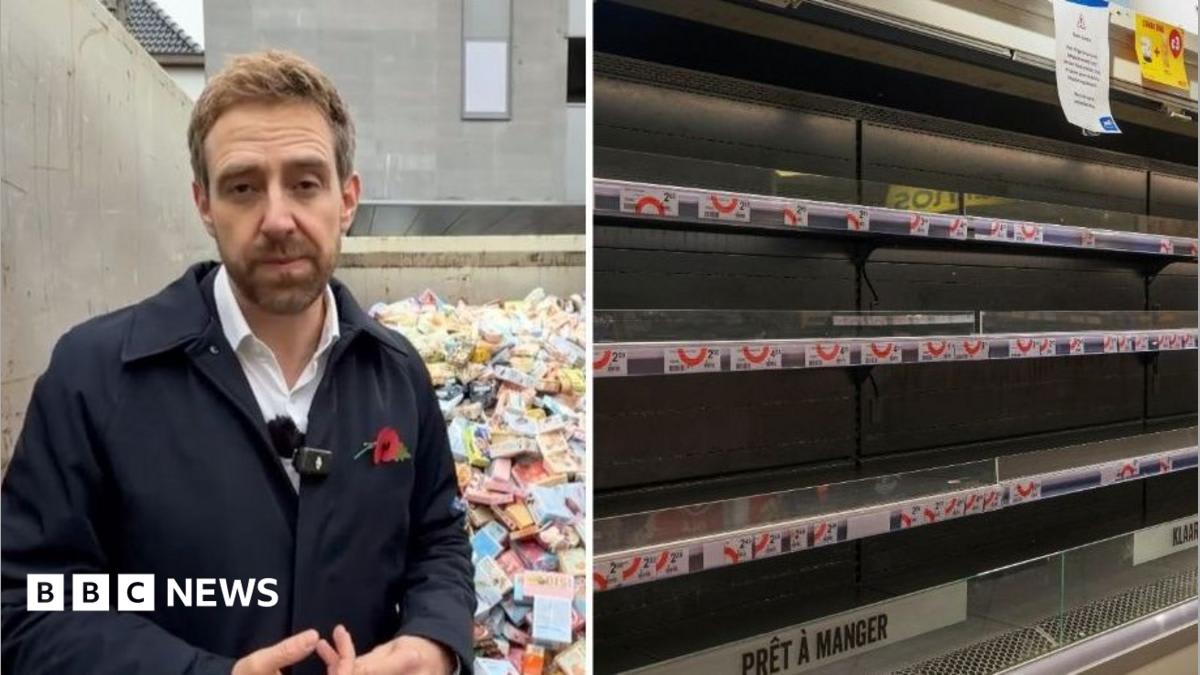
US military bases and European supermarkets are investigating a string of cyberattacks that remotely manipulated commercial refrigeration systems, causing significant food spoilage. Authorities are currently coordinating international efforts to identify the source of these vulnerabilities.
Cyber-Sabotage: The Growing Threat to Global Food Infrastructure
Recent reports indicate a concerning trend of cyber-attacks targeting commercial refrigeration and freezer systems across both the United States and Europe. In August, approximately six US military commissaries—the grocery stores serving service members and their families—experienced significant food spoilage after their cooling systems were compromised. A notable incident at Fort Huachuca in Arizona saw a walk-in freezer shift into defrost mode, effectively destroying the stored inventory. This pattern of disruption is currently under investigation by the US Cyber Command and the Department of Defense.
A Transatlantic Pattern of Disruption
The incidents are not isolated to the United States. A wave of similar cyber-attacks has impacted supermarkets across Belgium, Sweden, Luxembourg, Estonia, and Ireland. Major retail chains such as Delhaize, ICA, and Coop have confirmed unauthorized access to their cooling systems. In some instances, the damage was extreme; one Swedish ICA Kvantum store reported that temperatures were remotely adjusted to 50 degrees Celsius (122 Fahrenheit), leading to the loss of millions of euros in food supplies.
The Mechanics of the Breach
While the specific technical methodology remains under investigation, the incidents suggest a systematic exploitation of industrial control systems (ICS) or Internet of Things (IoT) devices connected to the internet. By gaining remote access, unauthorized actors are able to override temperature settings, turning cooling units into heating units. This highlights a critical vulnerability in modern retail infrastructure, where convenience and remote management capabilities often come at the expense of robust cybersecurity protocols.
Institutional Responses and Coordination
The scope of these attacks has prompted international cooperation, with US authorities working alongside French and European agencies to trace the origin of the intrusions. The Food and Agriculture Information Sharing and Analysis Center (ISAC) has issued formal warnings to industry stakeholders, urging them to assess the security of their storage systems. These warnings underscore the urgent need for enhanced authentication and network segmentation for critical cold-chain infrastructure.
Implications for Global Food Security
The ability of malicious actors to weaponize civilian infrastructure poses a significant threat to global food security. When grocery chains and military supply lines are targeted, the result is not just economic loss, but the potential disruption of essential logistics. As supply chains become increasingly digitized, the 'attack surface' for state-sponsored actors or cyber-criminals expands, making food storage facilities a high-value target for those looking to cause social or economic instability.
Future Trends in Cyber-Defense
Looking forward, the food industry will likely face increased regulatory pressure to adopt stricter cybersecurity standards for operational technology. We can expect a push toward 'zero-trust' architecture within supply chain management, ensuring that even if one component of a network is compromised, the cooling systems remain isolated from unauthorized commands. As the investigation into these specific incidents continues, the findings will likely serve as a blueprint for hardening the digital defenses of global food infrastructure.