Americans are skipping lettuce and salads as investigation into cyclospora outbreak continues
Source Entity
Bill Peters
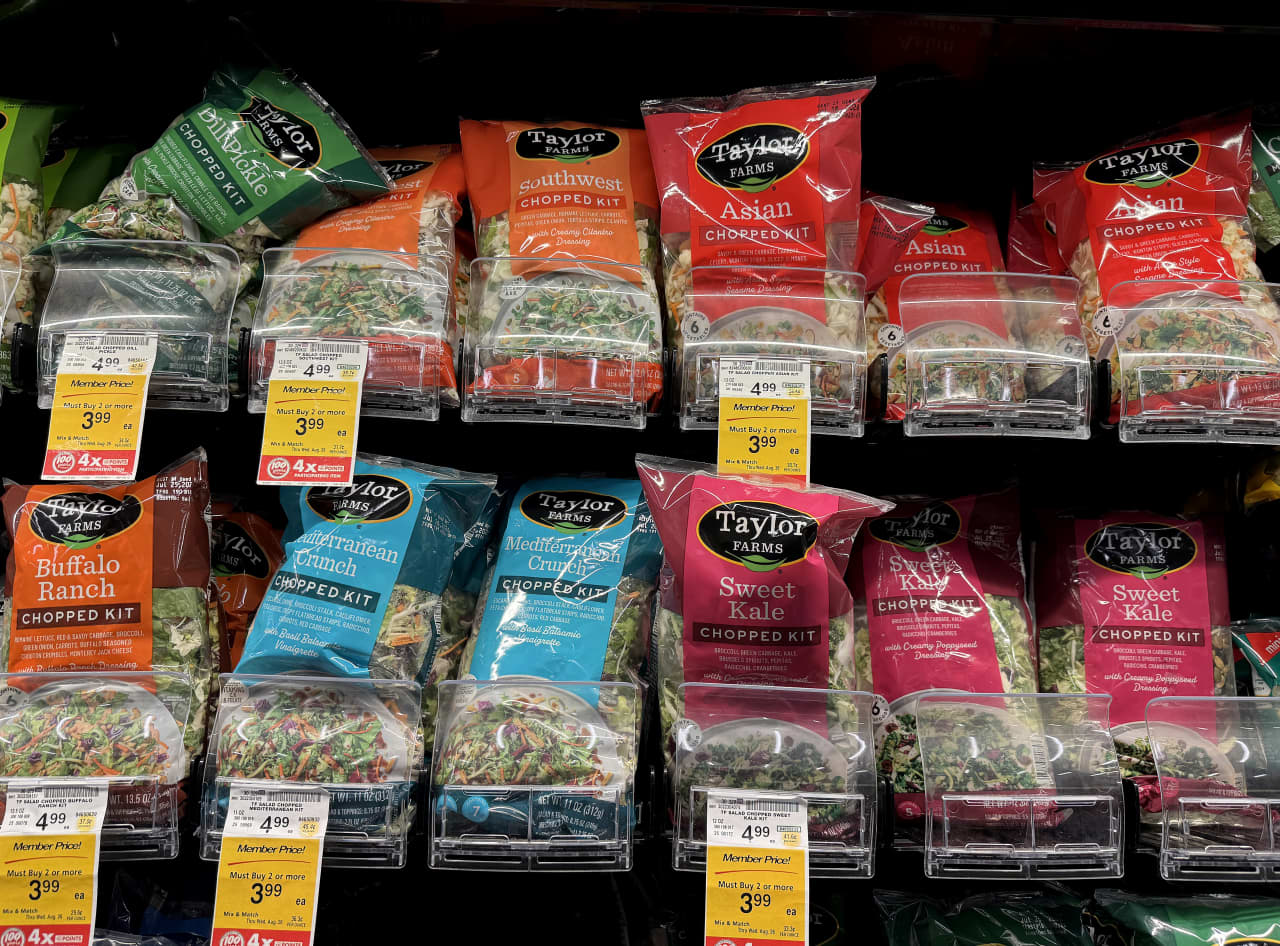
A cyclospora outbreak linked to shredded iceberg lettuce from central Mexico has caused market instability for major salad chains. Despite a recent FDA false-positive error regarding a specific Taylor Farms shipment, the agency maintains its broader investigation into the company's supply chain.
The Cyclospora Crisis: Market Volatility and Public Health Concerns
Recent reports indicate a significant disruption in the U.S. food supply chain, as an ongoing investigation into a cyclospora outbreak has led to widespread consumer apprehension. As health authorities work to identify the precise origins of the parasite, the public has increasingly opted to avoid salads and fresh lettuce, creating a notable ripple effect across the restaurant industry. Major fast-casual chains, including Cava, Chipotle, and Sweetgreen, saw their share prices close lower on Monday as investors reacted to the uncertainty surrounding food safety protocols.
The FDA’s Investigative Challenges
The Food and Drug Administration (FDA), in conjunction with the Centers for Disease Control and Prevention (CDC), is currently navigating the complexities of tracing the source of this outbreak, which has reportedly sickened over 1,600 individuals. Detecting cyclospora is notoriously difficult, complicating efforts to provide clear, actionable guidance to the public. This technical hurdle has contributed to a climate of confusion, as the agency attempts to balance the need for transparency with the logistical reality of pathogen surveillance in large-scale agricultural operations.
The Taylor Farms Controversy
Central to the investigation is Taylor Farms, a major supplier of iceberg lettuce. The situation intensified following an FDA statement that a test identifying the parasite in a shipment from Taylor Farms de Mexico was a false positive. While this specific finding was retracted, the agency emphasized that this error does not exonerate the company entirely. The FDA maintains its core conclusion that the broader outbreak remains linked to shredded iceberg lettuce sourced from central Mexico and distributed by the firm, highlighting the precarious nature of food supply chains.
Market and Consumer Implications
For investors and stakeholders, the market reaction reflects a broader sensitivity to food-borne illness outbreaks. When major chains like Sweetgreen or Chipotle are associated with health scares, the immediate financial impact is often sharp, driven by fears of brand damage and legal liability. Consumers, meanwhile, are exercising extreme caution, leading to a temporary shift in dietary habits as the public awaits definitive confirmation from health regulators regarding which products are safe for consumption.
Navigating Future Food Safety Trends
This incident underscores the inherent risks in globalized food production, where a single point of contamination in a regional supply chain can have national consequences. As the FDA continues its investigation, the industry is likely to face increased pressure to adopt more robust testing technologies and traceability measures. Looking forward, the ability of companies to respond to such crises with transparency will be critical in maintaining consumer trust and stabilizing stock valuations in the competitive fast-casual sector.
Conclusion
While the FDA’s acknowledgment of a false-positive test result initially caused confusion, the agency's steadfast stance on the link between the outbreak and central Mexican iceberg lettuce remains the focal point of the current health crisis. As the investigation proceeds, the restaurant industry must grapple with the dual challenges of ensuring rigorous safety standards and managing the financial fallout from changing consumer behaviors.
Verification Required?