More than half of Odisha’s PVTG adult women anaemic, says a study by Utkal University
Source Entity
India Latest News: Top National Headlines Today & Breaking News | The Hindu
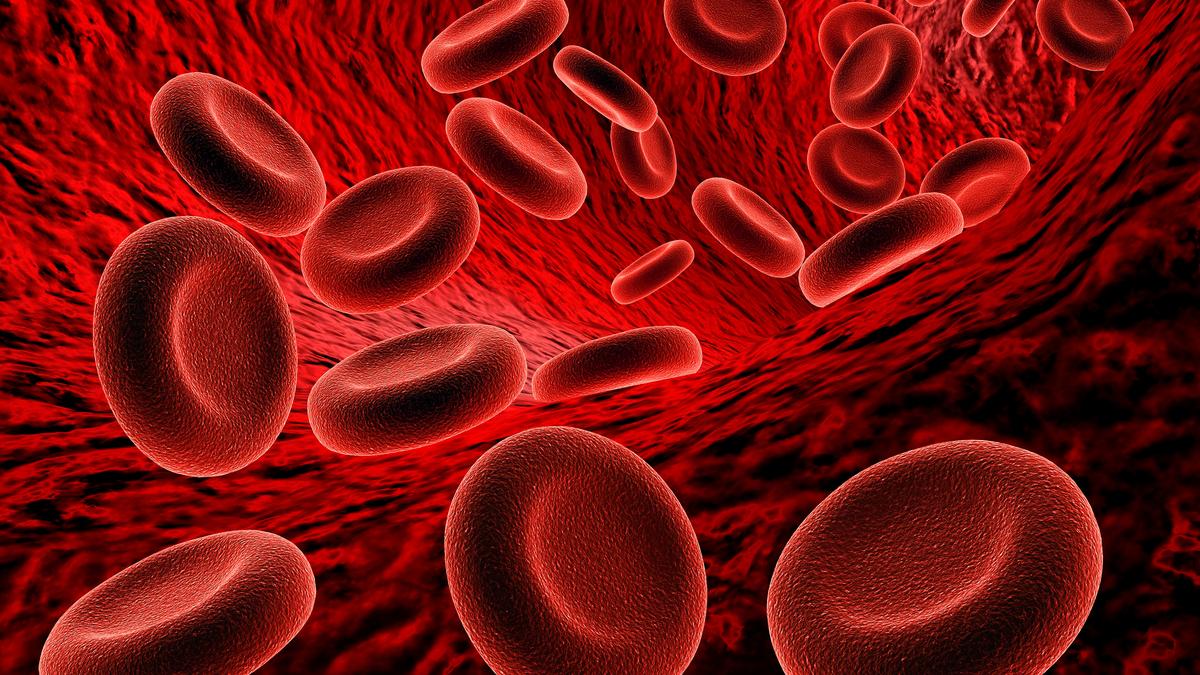
A recent Utkal University study reveals a public health crisis among Odisha’s Particularly Vulnerable Tribal Groups (PVTGs), with over half of adult women suffering from anaemia. The findings highlight alarming rates of stunting, particularly among the Hill Kharia, and an emerging trend of metabolic health risks.
A Critical Health Crisis: Odisha’s PVTGs Facing Systemic Undernutrition
A recent, comprehensive study conducted by Utkal University and released on July 20, 2026, has unveiled a staggering public health reality facing Odisha’s Particularly Vulnerable Tribal Groups (PVTGs). The data indicates that health inequities remain deeply entrenched, with over 53% of adult women and 37% of adult men suffering from anaemia. This report, which spanned 10 of the state’s 13 identified PVTG communities, serves as a sobering reminder of the persistent nutritional deficits that characterize these isolated populations.
The Alarming Prevalence of Stunting
Perhaps the most distressing indicator of this crisis is the physical growth profile of these communities. The study highlights that the Hill Kharia community faces a stunting prevalence of 82.76%. Such a high percentage is not merely a statistical outlier; it is a clinical marker of chronic, long-term malnutrition that hinders physical and cognitive development. This level of stunting suggests that the current interventions are failing to address the foundational nutritional needs of these vulnerable children and adults, effectively trapping generations in a cycle of physical underdevelopment.
The Double Burden of Disease
Beyond the traditional concerns of undernutrition, the study identifies a complex, modern challenge: the early onset of metabolic risks. While these communities have historically battled hunger, the researchers found that blood pressure and random blood sugar levels are now pointing toward an emerging lifestyle-related health crisis. This 'double burden'—where communities suffer from both persistent nutritional deficiencies and the onset of non-communicable metabolic diseases—suggests that the dietary and environmental landscape of these tribes is undergoing a volatile transition that their existing health infrastructure is ill-equipped to handle.
Interdisciplinary Insights into Health Inequity
By focusing on a wide range of communities, including the Bonda, Didayi, Dongria Kandha, and others, the Utkal University study provides a granular view of the health landscape across tribal-dominated districts. The researchers emphasize that the 'complex interplay' of these factors is a direct result of historical health inequities. These populations do not exist in a vacuum; their health outcomes are inextricably linked to their socioeconomic isolation, limited access to diverse food sources, and the gradual encroachment of external dietary habits that may not be nutritionally optimal.
Implications for Future Public Policy
Moving forward, the findings necessitate a radical shift in how Odisha approaches tribal welfare. Standardized health programs are clearly insufficient for groups with such unique physiological and cultural profiles. Policymakers must move beyond broad-spectrum nutritional supplementation and adopt targeted interventions that account for both the chronic stunting of the youth and the emerging metabolic risks among adults. Without specific, localized medical monitoring and sustainable food security initiatives, the health gap between these PVTGs and the general population will likely widen.
A Call for Urgent Intervention
In conclusion, the Utkal University study is a clarion call for the state to treat the health of PVTGs as a critical public health emergency. The data reveals that the health status of these tribes is at a tipping point. Addressing these issues requires more than just clinical data; it demands a robust, integrated strategy that combines intensive nutritional support with public health education tailored to the specific cultural and environmental realities of Odisha’s most vulnerable citizens.
Verification Required?