Dhami to speak to Daler Mehndi after Uttarakhand minister’s confrontation with him
Source Entity
Latest News: Todays Latest News Headlines from India & World | Hindustan Times | Hindustan Times
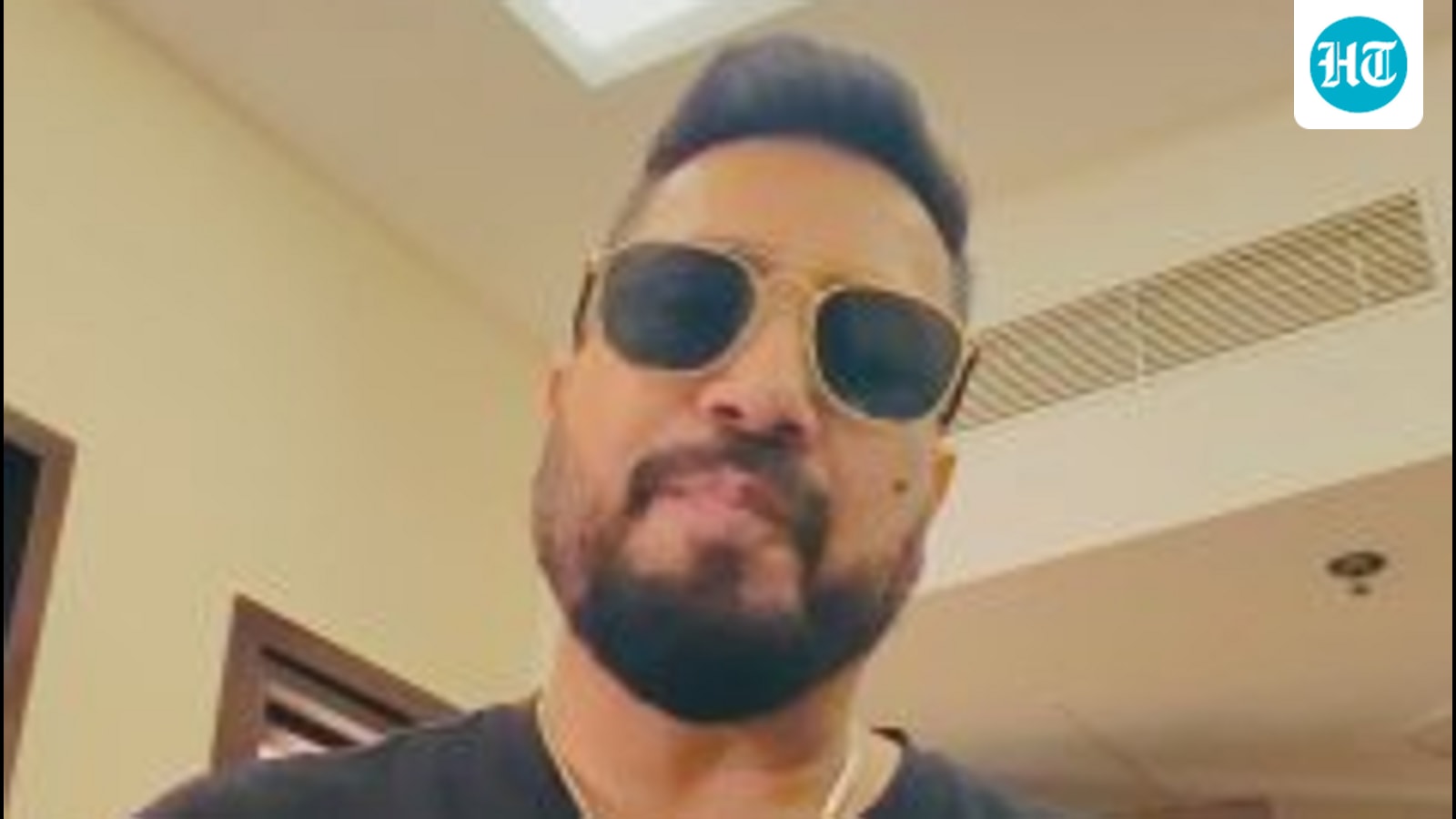
A public confrontation between singer Daler Mehndi and Uttarakhand minister Subodh Uniyal during a Navratri event has triggered a widespread debate over live performance standards. While the minister alleged intoxication and the use of pre-recorded tracks, supporters of the singer cite illness and have sought high-level intervention.
The Uttarakhand Concert Controversy: An Overview
A recent cultural event in Tehri Garhwal, Uttarakhand, took a contentious turn when a Navratri performance by veteran singer Daler Mehndi was abruptly interrupted by state cabinet minister Subodh Uniyal. The incident, which occurred on October 18, has since spiraled into a significant public debate involving allegations of professional misconduct, the ethics of live performances, and the intersection of political authority with artistic integrity.
Allegations and Counter-Arguments
Minister Subodh Uniyal publicly confronted Mehndi on stage, alleging that the singer appeared intoxicated and was not performing live, specifically citing the use of a "mixer" and "minus-one" tracks. The minister suggested that if the artist were truly unwell, he should have followed the precedent set by other performers, such as Sunanda Sharma, who canceled her appearance due to health concerns. Conversely, Daler Mehndi’s camp, led by his brother Mika Singh, has vehemently denied the claims of intoxication, asserting that the singer was suffering from a health ailment and that the accusations were an unfair public insult to a veteran artist.
The Role of Industry Standards
The controversy has ignited a broader conversation regarding the technical aspects of live shows in India. The mention of "minus-one" tracks—pre-recorded backing tracks without the main vocal—has brought into focus the expectations of live audiences versus the technical realities of modern concert production. While critics like Uniyal argue that such tools diminish the value of a high-fee performance, other industry figures, including Alisha Chinai, have weighed in on the prevalence and necessity of these tracks in contemporary live music setups.
Political and Institutional Involvement
The incident has reached the highest levels of state governance, with Chief Minister Pushkar Singh Dhami intervening to de-escalate the situation. CM Dhami has expressed a commitment to meeting with both Daler Mehndi and Mika Singh, emphasizing that the state holds artists in high regard. Meanwhile, the Federation of Western India Cine Employees (FWICE) has escalated the matter by urging Prime Minister Narendra Modi to look into the confrontation, signaling the industry's concern over how artists are treated by public officials during events.
Historical and Future Implications
This event highlights a growing tension between public figures and performers in the age of viral media. As video footage of the confrontation circulated, it forced an immediate public relations crisis for both the state government and the artist. Moving forward, this case is likely to serve as a case study for event management protocols, emphasizing the need for clear communication between organizers, artists, and government officials to prevent public altercations that detract from cultural celebrations.
Conclusion
While the dust begins to settle following the Chief Minister’s promise of mediation, the incident remains a stark reminder of the complexities inherent in high-profile public events. Whether it becomes a catalyst for stricter guidelines on live performance transparency or simply fades as a singular political friction point, the controversy underscores the delicate balance between public accountability and the respect afforded to the creative fraternity.
Verification Required?