Dalit woman ‘denied’ hospital admission over caste, gives birth by UP roadside
Source Entity
TNN
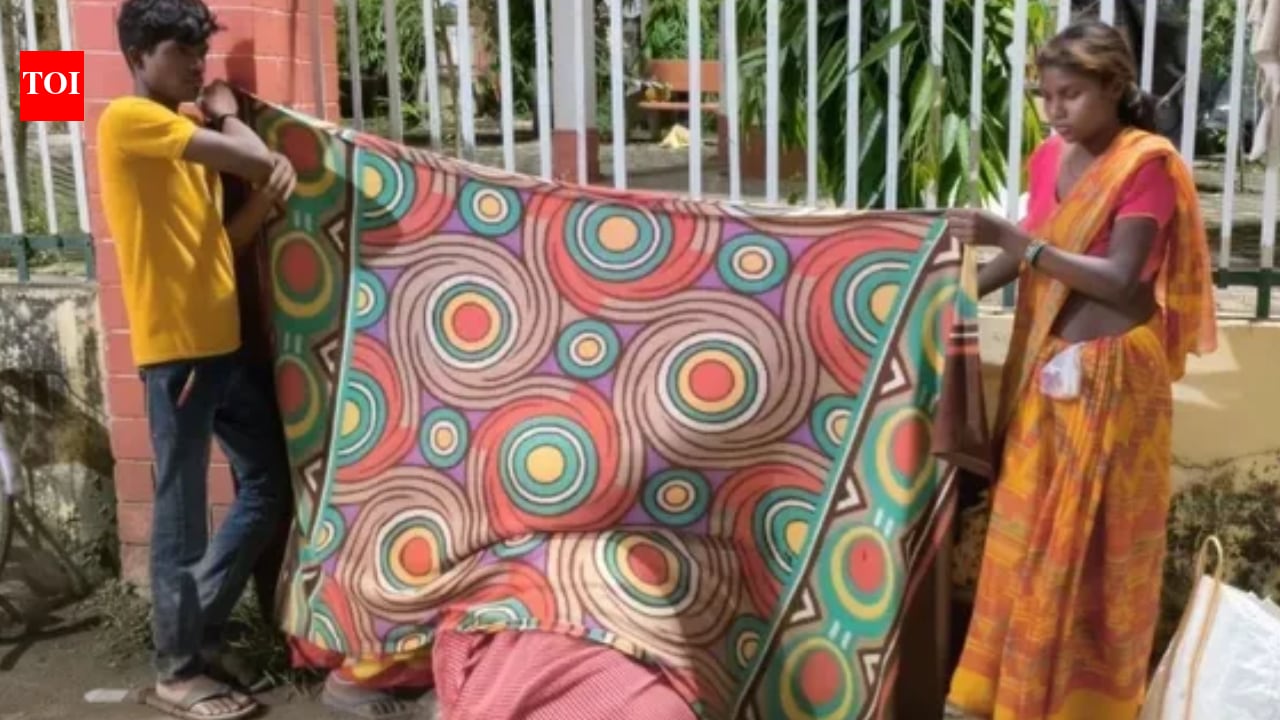
A 20-year-old Dalit Mushar woman was denied hospital care in Uttar Pradesh, forcing her to give birth on a roadside. The incident has sparked political outrage and led to disciplinary action against the medical staff involved.
The Bhadohi Incident: A Failure of Public Health and Social Equity
The recent incident at the Maharaja Chet Singh Government District Hospital in Bhadohi, Uttar Pradesh, where 20-year-old Rani Vanvasi of the Dalit Mushar community was denied admission, marks a distressing breakdown in public health accessibility. According to reports, the expectant mother was refused care on September 28, 2026, with staff citing medical concerns such as anemia and a lack of blood supply. However, the patient's family vehemently alleged that the refusal was rooted in caste-based discrimination, specifically targeting her identity as a member of the Musahar community.
The Human Cost of Systemic Negligence
Forced to leave the hospital premises, Rani was compelled to deliver her child on the roadside with only the assistance of her family. This sequence of events highlights a profound failure in the duty of care expected from state-run health facilities. The physical and emotional trauma inflicted upon a woman in active labor, compounded by the indignity of being denied professional medical support, underscores the persistence of systemic barriers that continue to marginalize vulnerable communities in rural India.
Political Repercussions and Accountability
The aftermath of the incident triggered immediate political and administrative responses. Deputy Chief Minister Brajesh Pathak, overseeing the health department, intervened after viral footage of the incident surfaced. A four-member inquiry panel was subsequently established, confirming instances of negligence among hospital personnel. Consequently, the on-duty doctor was dismissed, and disciplinary actions were initiated against other involved staff members, signaling an attempt by the government to address the optics and the severity of the institutional failure.
Broader Implications and Governance Failures
The Lok Janshakti Party (Ramvilas) has framed the event not merely as a localized error, but as a "catastrophic failure of governance." By highlighting the intersection of caste-based prejudice and healthcare delivery, the party has ignited a broader conversation regarding the efficacy of social protection programs meant to safeguard marginalized groups. This incident serves as a grim reminder that despite constitutional protections, the intersection of caste and economic status remains a significant determinant in accessing life-saving services.
Historical Context and Future Trends
Historically, the Musahar community has faced extreme systemic deprivation and social exclusion. Incidents such as this emphasize the persistent gap between policy intent and ground-level implementation within India's public health infrastructure. As the state moves forward, the trend suggests a growing public demand for stricter accountability and the dismantling of discriminatory practices within district-level administration. The future of equitable healthcare in Uttar Pradesh will likely depend on the success of administrative reforms aimed at eliminating caste bias and ensuring that medical facilities remain accessible to all, regardless of social background.