Dallas startup enriches Uranium
Source Entity
Hacker News
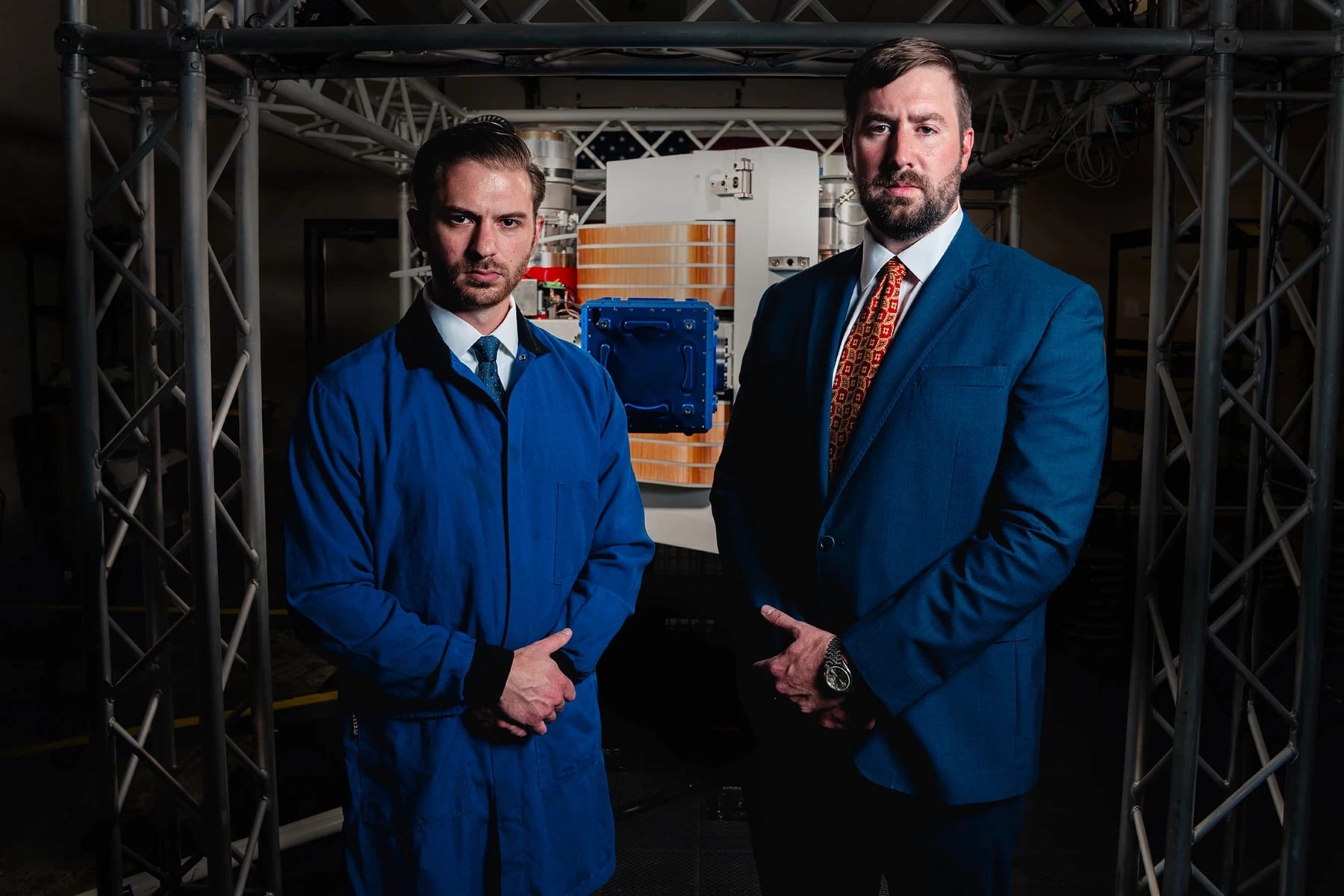
Dallas-based startup Actinide has successfully produced high-assay low-enriched uranium (HALEU) using a proprietary calutron. This milestone addresses a critical domestic supply chain gap for the advanced nuclear reactor industry.
A Breakthrough in Domestic Nuclear Fuel Production
On August 26, Dallas-based advanced materials startup Actinide achieved a significant milestone in nuclear engineering by becoming the first private startup to successfully produce high-assay low-enriched uranium (HALEU). Utilizing their first-generation calutron technology, which had previously demonstrated utility in the production of enriched ytterbium-176 for clients like Oklo Isotopes, the company has effectively bridged a vital gap in the American nuclear fuel cycle. This achievement marks a transition from laboratory-scale theory to tangible production capability.
The Critical Shortage of HALEU
The Department of Energy has long identified HALEU as a fundamental requirement for the viability of next-generation advanced reactor designs. Unlike conventional nuclear power plants that rely on standard low-enriched uranium, many modern small modular reactors and advanced thermal designs require a higher concentration of the U-235 isotope to function efficiently. Currently, the United States faces a precarious situation where there is zero domestic supply of HALEU, leaving the industry heavily dependent on foreign sources or unable to proceed with commercial deployment.
Innovation Through Calutron Technology
Actinide’s methodology deviates from the industry-standard gas centrifuge approach. By leveraging a calutron—a machine historically used for electromagnetic isotope separation—the company has demonstrated versatility in their operations. The fact that the same infrastructure used to produce medical or industrial isotopes like ytterbium-176 could be pivoted to produce HALEU suggests a highly scalable and adaptable business model that could redefine how specialized nuclear materials are manufactured in the private sector.
Addressing Supply Chain Vulnerabilities
One of the most significant challenges in the nuclear sector is the conversion process. Traditional enrichment typically produces uranium hexafluoride gas; however, this material requires secondary, complex conversion processes to reach the solid form necessary for fuel fabrication. Actinide’s ability to produce HALEU domestically addresses the broader national security concern regarding the lack of an end-to-end domestic supply chain. By localizing this production, the startup is helping to decouple American energy innovation from global supply chain volatility.
Broader Implications for Advanced Reactors
The success of this production run serves as a proof-of-concept that could accelerate the timeline for advanced reactor deployment. Without a secure, consistent supply of HALEU, the R&D efforts of various reactor developers have been stifled by uncertainty. Actinide’s entry into this market provides the missing link that could allow these developers to move from the design phase to physical testing and eventual commercialization.
Future Outlook
Looking ahead, the scalability of Actinide’s calutron technology will be the primary metric for industry observers. While this initial production run is a historic milestone, the long-term impact will depend on the company's ability to transition from pilot-scale production to industrial-scale output. If successful, Actinide may well become a cornerstone of the domestic nuclear fuel infrastructure, ensuring that the next generation of clean energy technology has the fuel it needs to power the grid.