The great White mix-up: Did Trump offer White House job to the wrong Dana?
Source Entity
ABHISHEK MISHRA
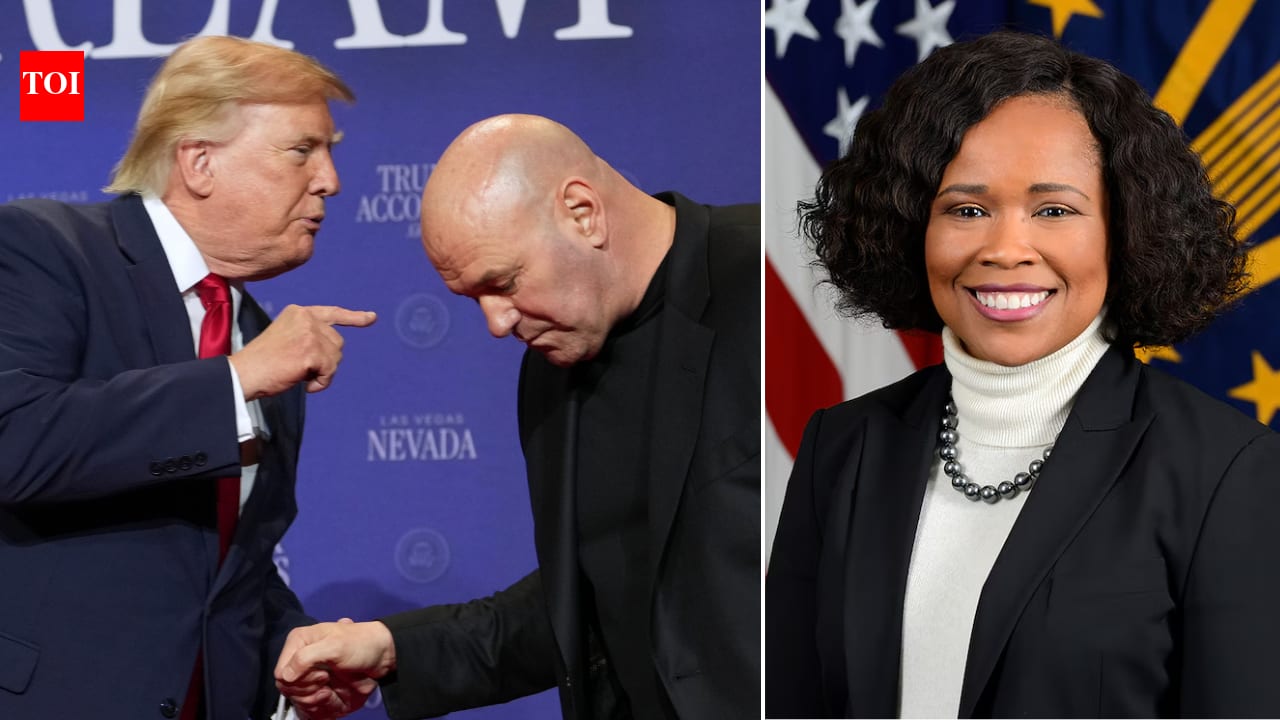
UFC CEO Dana White has declined an offer from Donald Trump to serve as White House Press Secretary. The public discourse surrounding this potential appointment has sparked significant internet speculation and debate.
The Intersection of Sports Entertainment and Political Communications
The recent news regarding Donald Trump’s outreach to UFC CEO Dana White to serve as White House Press Secretary highlights the blurring lines between high-stakes sports management and federal political communication. Dana White, as the long-standing leader of the Ultimate Fighting Championship (UFC), has built a reputation for brash, direct, and aggressive media management. This style, which has fueled the growth of the largest mixed martial arts organization in the world, was seemingly identified by the former President as a potential asset for the high-pressure environment of the White House briefing room.
The Dynamics of a Declined Appointment
Despite the public nature of the offer, reports confirm that Dana White has officially declined the position. The rationale provided—centered on a desire to avoid the intense, repetitive scrutiny of the role—underscores the fundamental difference between promoting a combat sport and managing the daily press cycle of the United States government. While White is adept at navigating controversy within the entertainment industry, the transition to a government spokesperson role requires a level of diplomatic restraint that is inherently at odds with his established professional persona.
Digital Speculation and Public Perception
Following the announcement, the internet became a hotbed of speculation, with many questioning whether Donald Trump intended to appoint the UFC executive or if the situation represented a misunderstanding of public figures. The confusion highlights how digital discourse often outpaces official clarifications. For the public, the idea of a sports executive transitioning into the executive branch was met with both skepticism and amusement, serving as a reminder of how non-traditional political appointments have become a hallmark of modern American political branding.
The Future of Political Appointments
This episode serves as a case study in the ongoing trend of political figures looking toward celebrity and media moguls to fill traditional roles. Historically, the Press Secretary position has been held by career journalists or seasoned political operatives. By reaching out to a figure like White, the political establishment signals a shift toward prioritizing media-savvy personalities over traditional bureaucratic experience. Even though this specific appointment did not come to fruition, it sets a precedent for how future administrations may evaluate candidates based on their ability to command media attention rather than their policy backgrounds.
Conclusion: Assessing the Impact
Ultimately, the rejection of the role by Dana White brings a swift end to a unique chapter in the current political cycle. While the UFC executive will remain focused on his operations within the sports world, the event remains a significant anecdote regarding the intersection of entertainment and governance. It underscores the challenges of recruiting high-profile figures into the federal government and highlights the persistent influence of media-centric leadership strategies in contemporary politics.
Multiple Citing Sources