Destroying a Community with a Gigantic "Clogged Vacuum Cleaner"
Source Entity
Hacker News
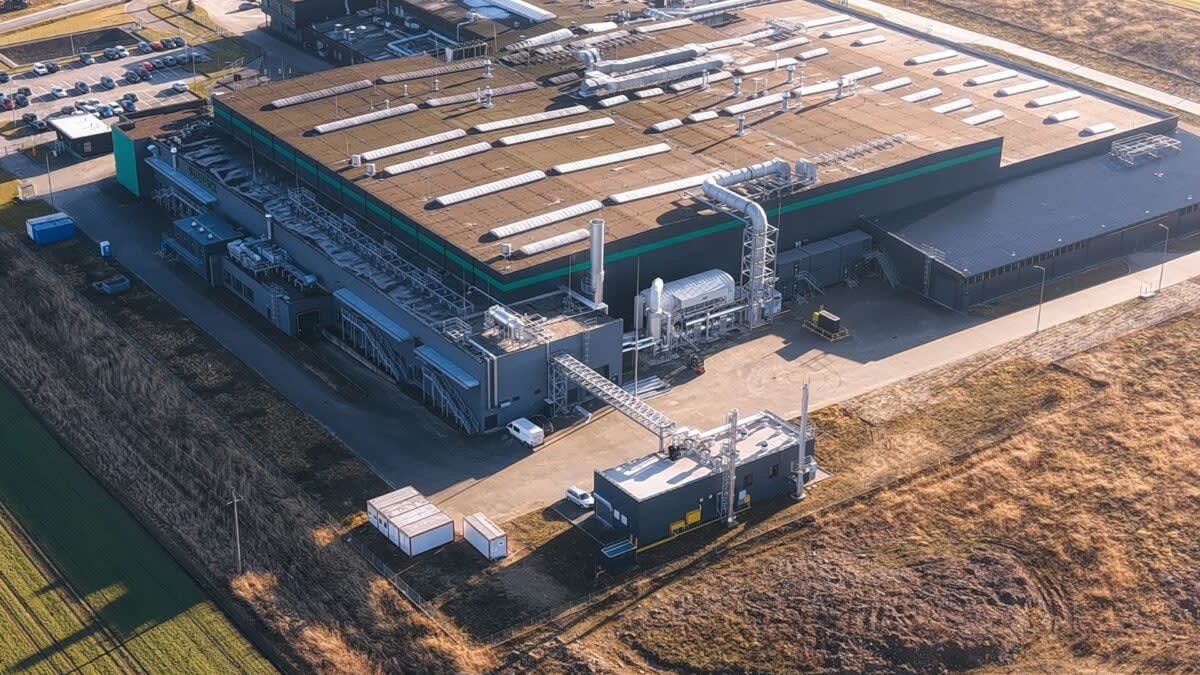
Local news reports are highlighting the severe noise pollution caused by massive data center cooling systems located near residential areas. Residents describe the constant, high-pitched screeching as a form of persistent torture that diminishes their quality of life.
The Hidden Acoustic Toll of Digital Infrastructure
As our society leans ever further into cloud computing, artificial intelligence, and global data storage, the physical footprint of the digital age is becoming impossible to ignore. A recent report by WXYZ-TV journalist Mike Duffy has brought to light a growing tension between massive data centers and the residential communities that find themselves living in their literal shadow. The core of the issue lies in the industrial-grade cooling systems required to prevent servers from overheating, which are now being described by affected residents as a relentless, high-pitched, and demonic screech.
The Mechanics of Industrial Noise Pollution
Data centers function essentially as massive, power-hungry machines that require constant airflow to maintain operational stability. The 'clogged vacuum cleaner' comparison made by observers is apt, as these facilities rely on arrays of high-powered fans and HVAC systems that operate at decibel levels far exceeding traditional commercial zoning expectations. Because these facilities must maintain uptime 24 hours a day, seven days a week, the noise is not a transient inconvenience; it is a permanent alteration of the local acoustic environment.
Quality of Life and Psychological Impact
For residents living across the street from these facilities, the constant low-level screech is more than just a nuisance—it is a psychological burden. The reporting from Detroit illustrates a scenario where the domestic sanctuary is violated by industrial output. When a community is subjected to round-the-clock noise, the physiological impact can include sleep deprivation, heightened stress, and a measurable decline in mental well-being. This creates an environment that many residents describe as a form of daily torture, complicating the promise of technological progress with the harsh reality of urban mismanagement.
The Regulatory Gap in Zoning and Planning
There is a significant disconnect between the rapid deployment of data centers and the existing zoning laws designed to protect citizens from industrial noise. As these facilities are often classified as tech infrastructure rather than heavy manufacturing, they may bypass stringent noise-abatement requirements that would otherwise apply to a factory or power plant. The result is a regulatory vacuum where developers prioritize site proximity to power grids and fiber-optic backbones over the long-term livability of adjacent neighborhoods.
Future Trends and Community Advocacy
Moving forward, we can expect to see an increase in community-led litigation and local government intervention regarding data center placement. As more reports like the one from WXYZ-TV emerge, the 'not in my backyard' (NIMBY) movement regarding digital infrastructure will likely intensify. Developers will eventually be forced to invest in advanced sound-dampening technology and acoustic buffers, or face aggressive legislative pushback that could stall the expansion of the digital economy in populated regions.
Conclusion
The story of the Detroit data center serves as a critical case study for the hidden externalities of our digital reliance. While data centers are essential for the modern world, their placement must be re-evaluated to ensure they do not destroy the communities they are meant to support. Balancing the need for technological advancement with the fundamental right to peace in one's home remains one of the most pressing urban planning challenges of the decade.