Spain train crash: Audio reveals chilling exchange before deadly collision
Source Entity
RAJEEV SINGH
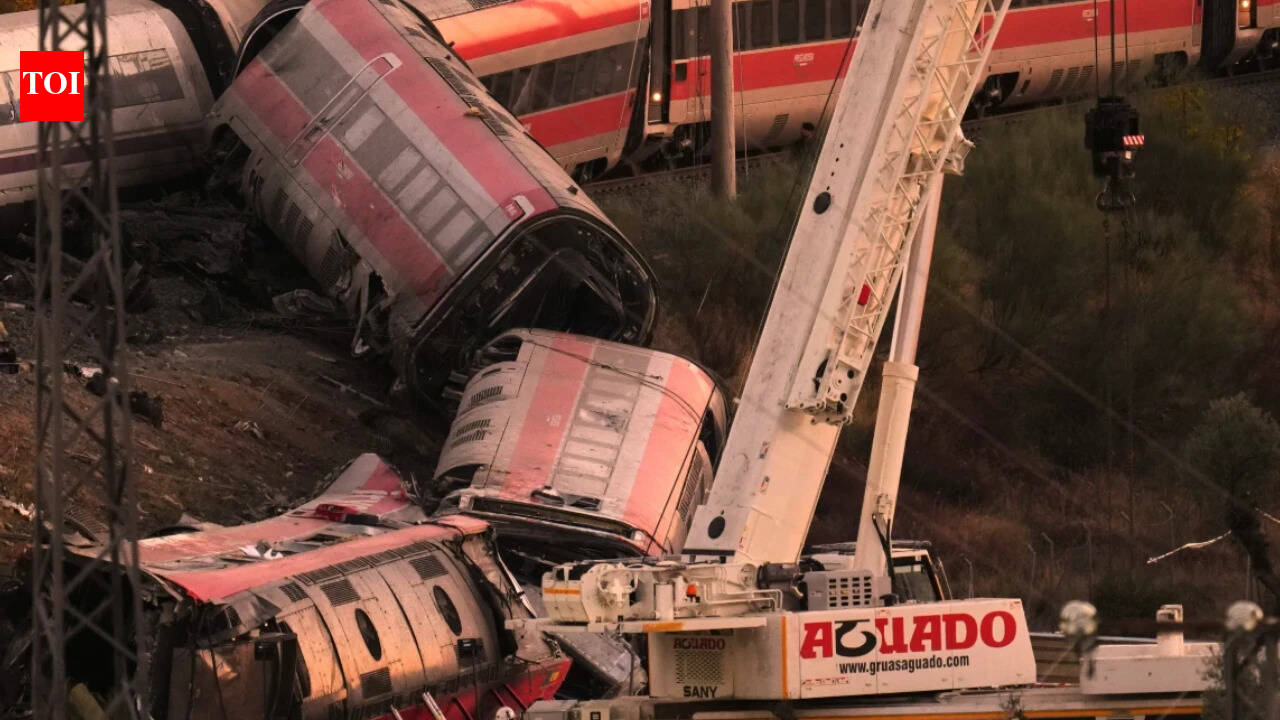
A devastating collision between a Renfe train and an Iryo service in Urda, Spain, has resulted in significant casualties. Emergency responders are currently on-site managing rescue operations and investigating the derailment of two carriages.
Tragedy in Toledo: High-Speed Rail Collision Claims Lives
On the morning of Wednesday, October 28, 2026, a catastrophic rail accident occurred in the town of Urda, located in the central Spanish province of Toledo. Two high-speed trains—a Renfe service carrying 397 passengers and an Iryo service carrying 147 passengers—were involved in a collision that has left at least 10 people dead, with reports indicating the toll could rise as rescue operations continue. The incident took place on the critical Madrid-Seville line, a vital artery for national transportation.
The Mechanics of the Accident
Preliminary reports from ADIF, Spain's rail infrastructure operator, suggest that the collision occurred shortly after 9:00 a.m. local time. The incident involved two trains traveling in the same direction, with the Renfe train reportedly striking the rear of a stationary Iryo train. This high-impact collision resulted in the derailment of two carriages, compounding the severity of the disaster and complicating the efforts of emergency responders who arrived on the scene to extract survivors.
Emergency Response and Ongoing Search
In the immediate aftermath, a massive emergency response was launched. Firefighters from Alcazar de San Juan and Orgaz, supported by Civil Protection teams from neighboring municipalities, have been working tirelessly. The medical response has been extensive, involving three air ambulances and two mobile intensive care units to stabilize the injured. Despite these efforts, authorities have confirmed that the driver of the AVE high-speed train remains unaccounted for, and a previously missing trainee railway worker has been confirmed among the deceased.
Infrastructure and Service Disruption
ADIF has officially suspended services on the affected routes, causing significant disruption to travel between Madrid, Ciudad Real, and Andalusia. The suspension is necessary not only for the ongoing rescue and recovery efforts but also to allow investigators to secure the crash site and analyze the signaling and operational data that led to this failure. The sheer scale of the passenger load—totaling 544 people across both trains—highlights the massive logistical challenge facing authorities in the wake of this tragedy.
Broader Implications for Spanish Rail Safety
This incident serves as a grim reminder of the inherent risks associated with high-speed rail networks, even those with robust safety protocols. While Spain has invested heavily in its high-speed infrastructure, this event will undoubtedly lead to a comprehensive national review of signaling, braking systems, and human-factor protocols. The investigation will focus heavily on how a Renfe train managed to collide with a stationary Iryo unit, examining whether a mechanical failure, human error, or a lapse in automated safety systems was the primary catalyst.
Conclusion
As Spain grapples with the aftermath of this rail tragedy, the focus remains on the families of the victims and the recovery of those still missing. The coming days will bring rigorous scrutiny regarding the safety management of the Madrid-Seville line. This event marks a somber moment in the nation's history, emphasizing the necessity of constant vigilance in maintaining the integrity of high-speed rail systems that connect millions of passengers annually.
Multiple Citing Sources