What we know about the crash so far
Source Entity
BBC News
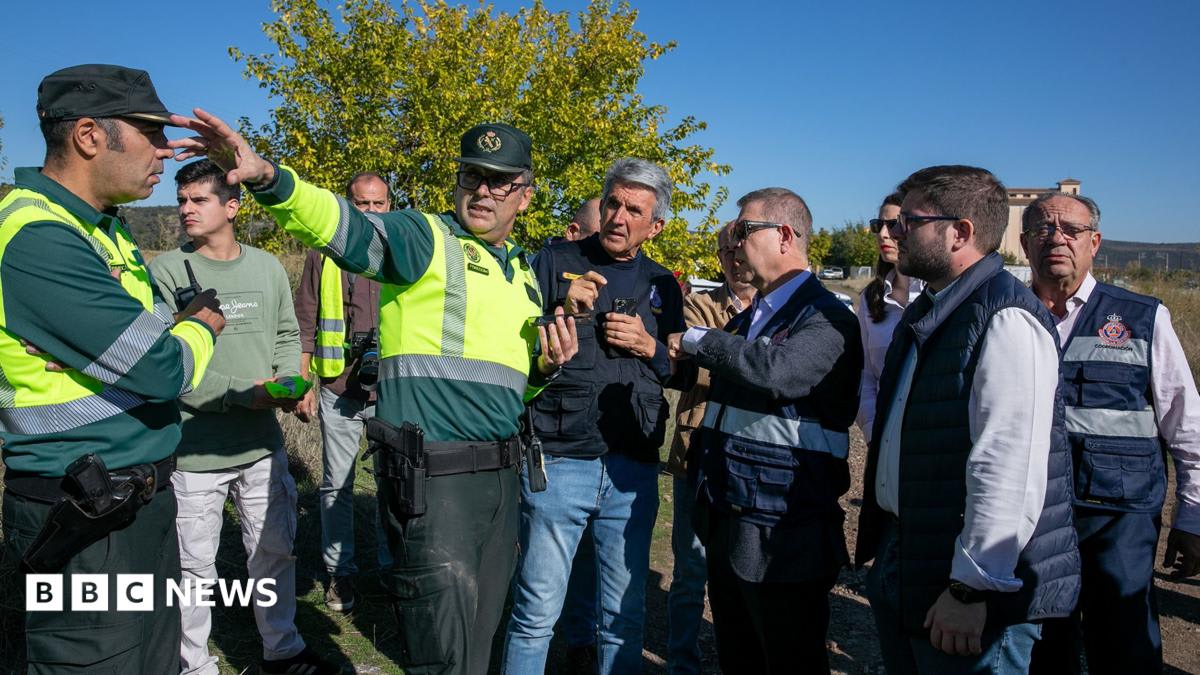
A fatal high-speed train collision in Urda, Spain, involving Renfe and Iryo services has resulted in significant loss of life and multiple injuries. Emergency crews are currently conducting rescue operations as rail services on the Madrid-Seville line remain suspended.
Tragedy in Urda: High-Speed Rail Collision in Spain
On the morning of Wednesday, October 28, 2026, a catastrophic rail accident occurred in the town of Urda, located in the central Spanish province of Toledo. The incident involved a collision between two high-speed trains—a Renfe service carrying 397 passengers and an Iryo service carrying 147 passengers. The impact, which occurred shortly after 9:00 a.m. local time, has resulted in a significant loss of life, with reports indicating at least 10 confirmed fatalities, while officials warn that the death toll may rise as rescue operations continue.
The Mechanics of the Accident
According to preliminary reports from ADIF, Spain’s rail infrastructure operator, the collision occurred on the vital Madrid-Seville line. The incident involved the Renfe train striking the rear of a stationary Iryo service. This rear-end collision caused two carriages to derail, leading to the immediate suspension of rail services across the affected routes. The force of the impact necessitated an extensive emergency response, involving firefighters from Alcazar de San Juan and Orgaz, Civil Protection teams from neighboring villages, three air ambulances, and two mobile intensive care units.
Ongoing Rescue and Search Operations
As of the latest updates, the primary focus remains on search and recovery efforts. While the initial death toll is confirmed at 10, the situation remains fluid. Reports indicate that a trainee railway worker, initially reported missing, has been confirmed dead. Simultaneously, search efforts are ongoing for the driver of the Renfe AVE high-speed train, who remains unaccounted for. The sheer scale of the incident, with over 500 passengers combined across both trains, has placed an immense strain on local emergency services.
Broader Implications for Rail Safety
This disaster serves as a sobering reminder of the inherent risks associated with high-speed rail networks, even those with advanced safety protocols. The collision on the Madrid-Seville line highlights the critical nature of signaling and train-spacing management, especially when one train is stationary. The disruption of this major artery not only affects local transit but also impacts broader connectivity between Madrid, Ciudad Real, and the Andalusia region, necessitating a long-term investigation into the operational failures that allowed this collision to occur.
Future Trends and Regulatory Scrutiny
In the wake of this tragedy, the Spanish government and rail operators face intense scrutiny regarding safety standards and infrastructure maintenance. Spain has long been a leader in high-speed rail technology, yet this incident underscores that even advanced systems are susceptible to human or mechanical error. Future trends will likely involve a massive overhaul of automated braking systems and a rigorous review of communication protocols between train drivers and central control stations to prevent similar incidents in the future.
Conclusion
As the town of Urda and the wider Spanish nation grapple with the aftermath of this collision, the focus must remain on supporting the survivors and the families of the victims. The investigation into the cause of the crash will be exhaustive, as authorities seek to provide clarity on how a high-speed collision of this magnitude could occur. The legacy of this event will undoubtedly shape the future of railway safety policies in Spain for years to come.
Multiple Citing Sources