Hassan DC bans vehicles to Male Malleshwara temple at Seegegudda in Hassan
Source Entity
India Latest News: Top National Headlines Today & Breaking News | The Hindu
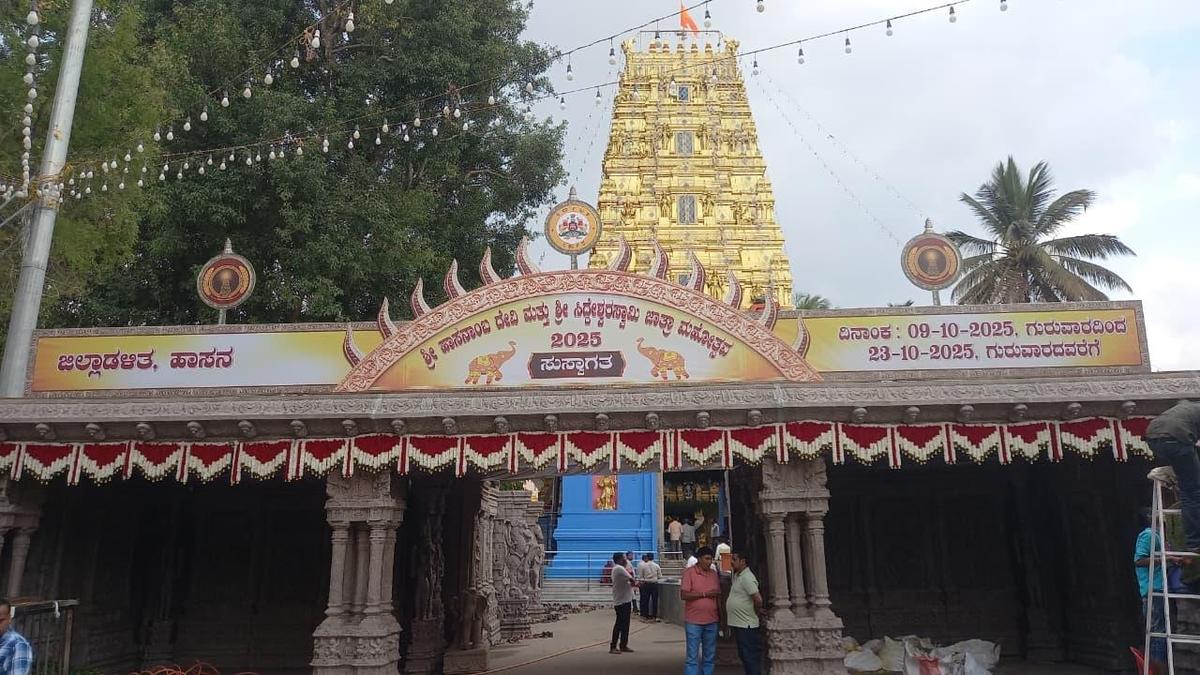
The hit Kannada film 'Premada Ooralli' has caused a massive surge in tourism at the previously quiet Male Malleshwara Temple in Hassan. Authorities have banned private vehicles to manage overcrowding and protect the Seegegudda Kaval Reserve Forest.
The Cinematic Impact on Seegegudda Kaval
The serene landscapes of the Seegegudda Kaval Reserve Forest, located near Hassan, Karnataka, have recently undergone a dramatic transformation. Once a quiet sanctuary, the Male Malleshwara Temple has become a focal point of intense public interest following its prominent feature in the hit Kannada film, Premada Ooralli. This phenomenon of 'set-jetting'—where fans flock to filming locations—has highlighted the tension between cultural promotion through media and the preservation of ecological stability.
Escalation of Footfall and Ecological Strain
Before the film's release, the temple recorded a modest daily attendance of approximately 50 visitors. Following the movie's success, this figure surged to over 4,000 to 5,000 people daily. Such a rapid influx of tourists from urban hubs like Bengaluru, Mysuru, and Mandya has overwhelmed the local infrastructure. The influx has resulted in severe traffic congestion within the forest reserve and an increase in disruptive behaviors, including widespread littering and unauthorized alcohol consumption, which pose significant risks to the local ecosystem.
Administrative Intervention
In response to the deteriorating situation, Hassan Deputy Commissioner K.S. Lata Kumari issued an official order banning all private and tourist vehicles from accessing the roads leading to the Male Malleshwara temple. This restrictive measure, effective from October 25 to November 11, serves as a critical cooling-off period for the forest area. By limiting vehicular access, the administration aims to curb the environmental degradation caused by excessive human activity and motorized transit.
Cultural and Religious Overlap
The timing of this ban is particularly strategic, as it coincides with the significant Hasanamba and Siddeshwaraswamy temple festival, scheduled between October 29 and November 11. The district administration faces the dual challenge of managing the sudden surge of film-inspired tourists while ensuring that traditional religious pilgrims can observe their rites without the chaos brought on by mass tourism. The administration’s intervention underscores the necessity of balancing cultural tourism with the logistical realities of forest management.
Broader Implications for Sustainable Tourism
This incident in Hassan serves as a case study for the broader implications of media-driven tourism in protected areas. While films can boost local economies and bring visibility to remote regions, they also place immense pressure on fragile environments if not managed correctly. Moving forward, authorities may need to implement long-term sustainable tourism policies, such as mandatory shuttle services or visitor caps, to ensure that the beauty of the Seegegudda Kaval Reserve Forest is not permanently compromised by its newfound cinematic fame.
Multiple Citing Sources
Verification Required?