BBC reports from inside city gripped by deadly protests in Pakistan-administered Kashmir
Source Entity
BBC News
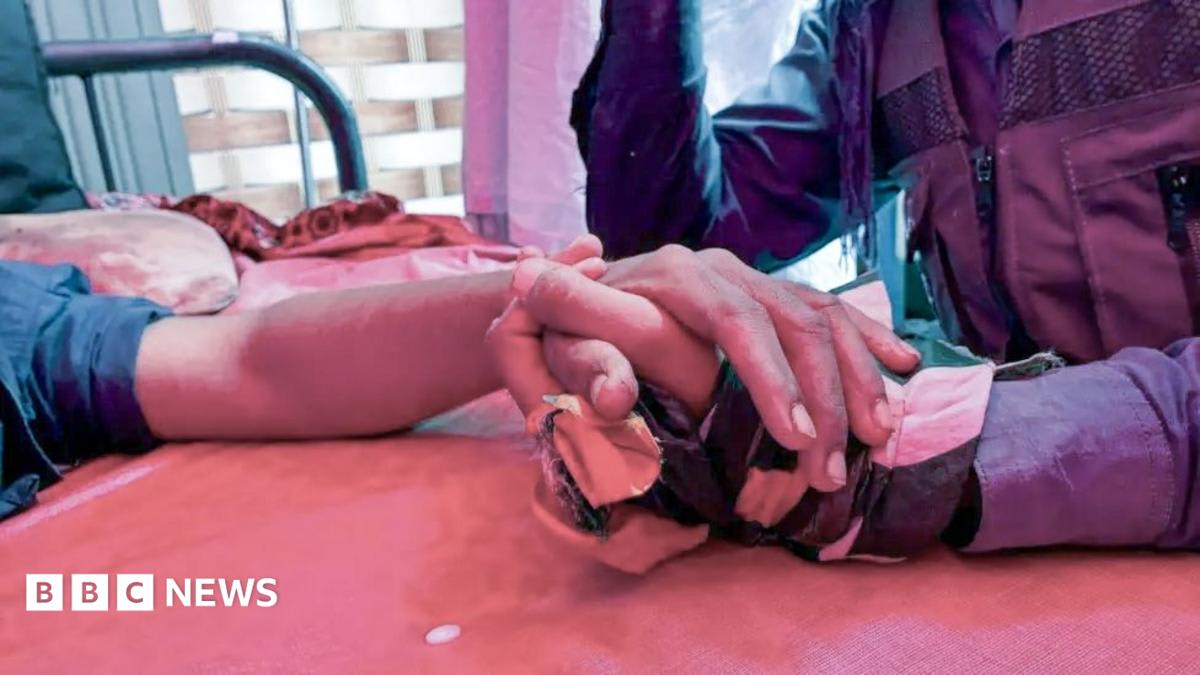
Violent clashes in Pakistan-administered Kashmir have left over 100 dead as the Joint Awami Action Committee protests against rising costs and unmet government promises. The situation remains volatile as security forces confront demonstrators demanding basic rights.
The Unfolding Crisis in Pakistan-Administered Kashmir
Recent reports from the BBC provide a harrowing look into Rawalakot, a city currently trapped in a cycle of violence as security forces clash with protesters. The unrest centers on the Joint Awami Action Committee (JAAC), a movement that has mobilized thousands to demand relief from economic hardships. The emotional toll of this conflict is evident in testimonies from those injured, who describe a desperate struggle for survival against a backdrop of state-sanctioned force.
The Core Grievances: Bread, Power, and Dignity
At the heart of these protests lies a fundamental demand for economic relief. Demonstrators are explicitly calling for affordable flour, stable electricity prices, and improvements to essential public services like education and healthcare. These are not abstract political demands, but urgent appeals for survival in a region struggling with inflationary pressures. The failure to address these systemic issues has transformed peaceful calls for reform into a broader, more volatile movement against the administration.
The Failure of Diplomatic Agreements
A critical point of contention is the failed implementation of an October agreement signed between the JAAC and the Pakistan and Pakistan-administered Kashmir (PAK) governments. This pact was intended to be a roadmap for addressing the protesters' economic concerns. The JAAC’s assertion that this agreement remains ignored by authorities has deepened public distrust, fueling the intensity of the current demonstrations and hardening the resolve of those on the front lines.
Escalating Violence and Human Cost
The human cost of this unrest is staggering, with reports indicating that over 100 people have been killed in clashes across the region over the last two months. The use of live ammunition by security forces against demonstrators—some reportedly as young as 15—has drawn international scrutiny. The visceral imagery of wounded protesters highlights the extreme measures being taken to suppress the dissent that is currently sweeping through the region.
Conflicting Narratives and Political Standoffs
The local government maintains a starkly different narrative, characterizing the JAAC as an armed group intent on disrupting ongoing regional polls. By framing the protest movement as a security threat rather than a socio-economic outcry, the authorities have justified their refusal to allow marchers to proceed toward the regional capital of Muzaffarabad. This political impasse has effectively locked the two sides in a dangerous standoff that shows few signs of resolution.
Future Implications and Regional Stability
As the death toll continues to rise, the trajectory of this conflict suggests a long-term destabilization of the region. The inability of the government to reconcile its security agenda with the populace's basic needs threatens to further alienate the residents of Pakistan-administered Kashmir. Unless a renewed, transparent dialogue is established to address the grievances outlined in the October agreement, the potential for continued violence and civil unrest remains high.