24,000 people affected as Godavari, Sabari rivers remain in spate in Polavaram district
Source Entity
India Latest News: Top National Headlines Today & Breaking News | The Hindu
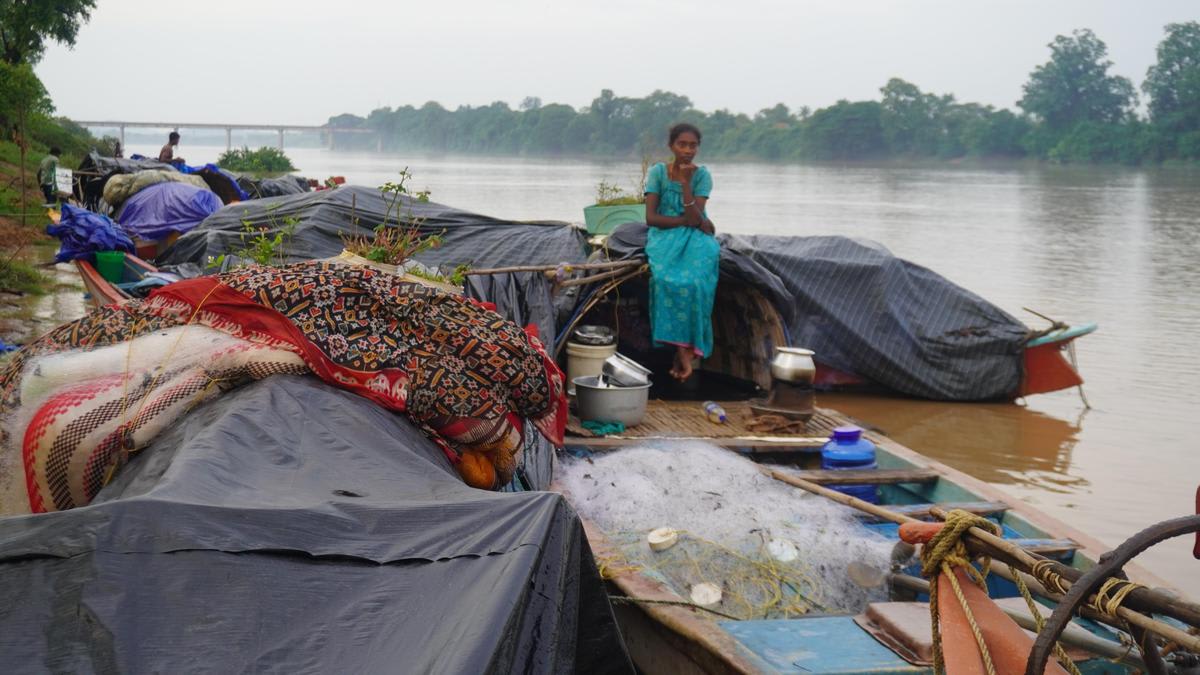
The Godavari and Sabari rivers are causing severe flooding, impacting 24,000 people and cutting off 44 road links. Authorities in Andhra Pradesh and Telangana remain on high alert as flood levels exceed danger thresholds.
The Rising Crisis in the Godavari Basin
The Godavari river basin is currently facing a critical hydrological event as heavy upstream rainfall triggers significant flooding across the Andhra Pradesh and Telangana regions. The Andhra Pradesh State Disaster Management Authority (APSDMA) has issued dire warnings regarding the escalating intensity of the flood, specifically noting the threat of reaching the second warning level at the Dowleswaram Cotton Barrage. This situation is the culmination of sustained heavy precipitation in upper catchment areas, which has pushed water levels to dangerous heights.
Impact on Vulnerable Populations
The human toll of this natural disaster is substantial, with nearly 24,000 individuals—primarily from the Koya and Konda Reddi tribal communities—directly affected by the rising waters. While official reports confirm that no casualties have occurred, the displacement of 1,683 people highlights the urgency of the ongoing relief operations. The inundation of agricultural fields in the Chintoor Agency threatens the livelihoods of tribal farmers who rely on the fertile lands along the Godavari and Sabari riverbanks.
Infrastructure and Logistics Challenges
Connectivity has been severely compromised, with 44 road links currently severed, isolating communities from the Kalleru area on the Andhra Pradesh-Odisha border to the critical Kunavaram-Bhadrachalam stretch. This fragmentation of the transport network significantly complicates rescue and relief efforts, forcing authorities to issue strict travel advisories for the Andhra Pradesh-Chhattisgarh-Odisha tri-junction. The disruption of these key arteries underscores the logistical fragility of the region during peak monsoon flood cycles.
Hydrological Data and Warning Thresholds
Technical data from the ground paints a sobering picture of the river’s power. At Bhadrachalam, the river breached the third warning level of 53 feet, reaching approximately 55 feet with a discharge rate of 15.34 lakh cusecs. Meanwhile, the Dowleswaram Cotton Barrage recorded inflows and outflows exceeding 5.3 lakh cusecs. These metrics serve as the primary indicators for disaster management agencies, which have been forced to intensify vigilance in low-lying areas to prevent further loss of life or property.
Future Trends and Regional Risks
While there have been marginal signs of receding inflow at certain points, the continued rise of the Sabari river suggests that the threat is far from over. The regional authorities are maintaining a state of high alert, balancing the need for immediate evacuation with the long-term challenge of managing massive volumes of water moving downstream. The persistent nature of these floods in the Godavari Valley reflects broader climatic trends of intense, concentrated rainfall, necessitating more robust, long-term disaster mitigation strategies for the communities living in these flood-prone riverine corridors.
Multiple Citing Sources
Verification Required?