'Winter is coming': Ukraine fears its toughest test since Russia's full-scale invasion
Source Entity
US Top News and Analysis
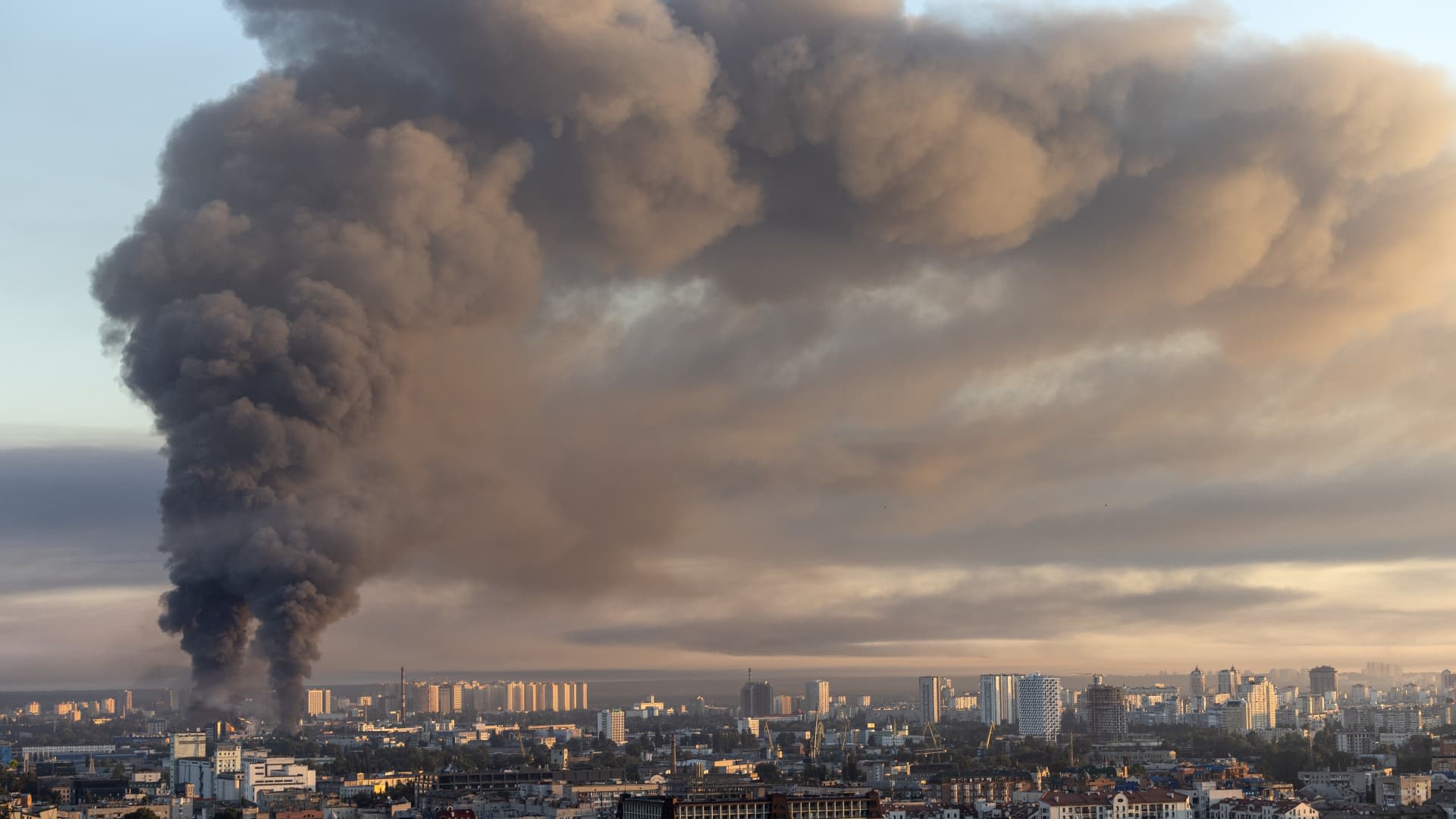
As winter approaches, Ukraine faces critical threats to its energy infrastructure amid intensified Russian missile strikes. President Zelenskyy is in Washington to meet President Trump to discuss security and air defense needs.
The Looming Winter Crisis in Ukraine
As the geopolitical landscape shifts, Ukraine finds itself bracing for what officials and security experts describe as the most difficult winter since the onset of the full-scale Russian invasion. The confluence of intensifying missile campaigns and the degradation of critical energy infrastructure has placed the nation at a precarious juncture. The strategic objective behind the recent surge in Russian aerial assaults appears to be the systematic exploitation of Ukraine’s dwindling ballistic missile interceptor stockpiles, forcing a desperate race against the seasonal drop in temperatures.
Strategic Vulnerabilities and Defense Gaps
The current military reality is defined by a critical shortage of air defense capabilities. By ramping up missile strikes on urban centers, Russian forces are attempting to overwhelm Ukrainian defensive networks, specifically targeting the power grid. This strategy is not merely a tactical maneuver but a deliberate effort to erode civilian morale and operational capacity by creating a humanitarian crisis through the deprivation of heating and electricity during the freezing winter months.
Diplomatic Engagements in Washington
In response to these mounting pressures, President Volodymyr Zelenskyy has traveled to Washington, D.C., on July 28, 2026, for high-stakes discussions with President Donald Trump. This visit underscores the urgency of securing external support to reinforce Ukraine's air defense architecture. The diplomatic mission is focused on bridging the gap between current defensive capabilities and the sheer volume of incoming ballistic threats that have characterized the recent Russian offensive.
Domestic Leadership Transitions
Amidst these external threats, Ukraine is also undergoing significant internal administrative changes. President Zelenskyy’s recent confirmation of Sergii Koretskyi as the new Prime Minister marks a pivot in the nation's leadership structure. Koretskyi, a former CEO, brings a corporate-focused approach to the management of state affairs, which the administration hopes will streamline the mobilization of resources and the stabilization of the energy sector ahead of the heating season.
The Energy Infrastructure Imperative
Since April, President Zelenskyy has made the fortification of energy and infrastructure facilities a top-tier national priority. The government’s focus remains on ensuring that these systems remain operational despite persistent bombardment. This effort is not just a logistical challenge but a survival imperative, as the nation prepares to navigate the upcoming winter under the shadow of sustained aerial warfare.
Future Outlook and Implications
The trajectory of the conflict in the coming months will likely be determined by the success of these defensive preparations and the outcomes of the diplomatic meetings in the United States. If Ukraine can effectively secure the necessary interceptors and maintain the integrity of its power grid, it may mitigate the impact of the predicted Russian winter offensive. Conversely, a failure to bolster these defenses could lead to a catastrophic degradation of infrastructure, presenting the most severe test of the war to date.