Centre extends defence secretary Rajesh Kumar Singh's tenure by two years
Source Entity
Latest News: Todays Latest News Headlines from India & World | Hindustan Times | Hindustan Times
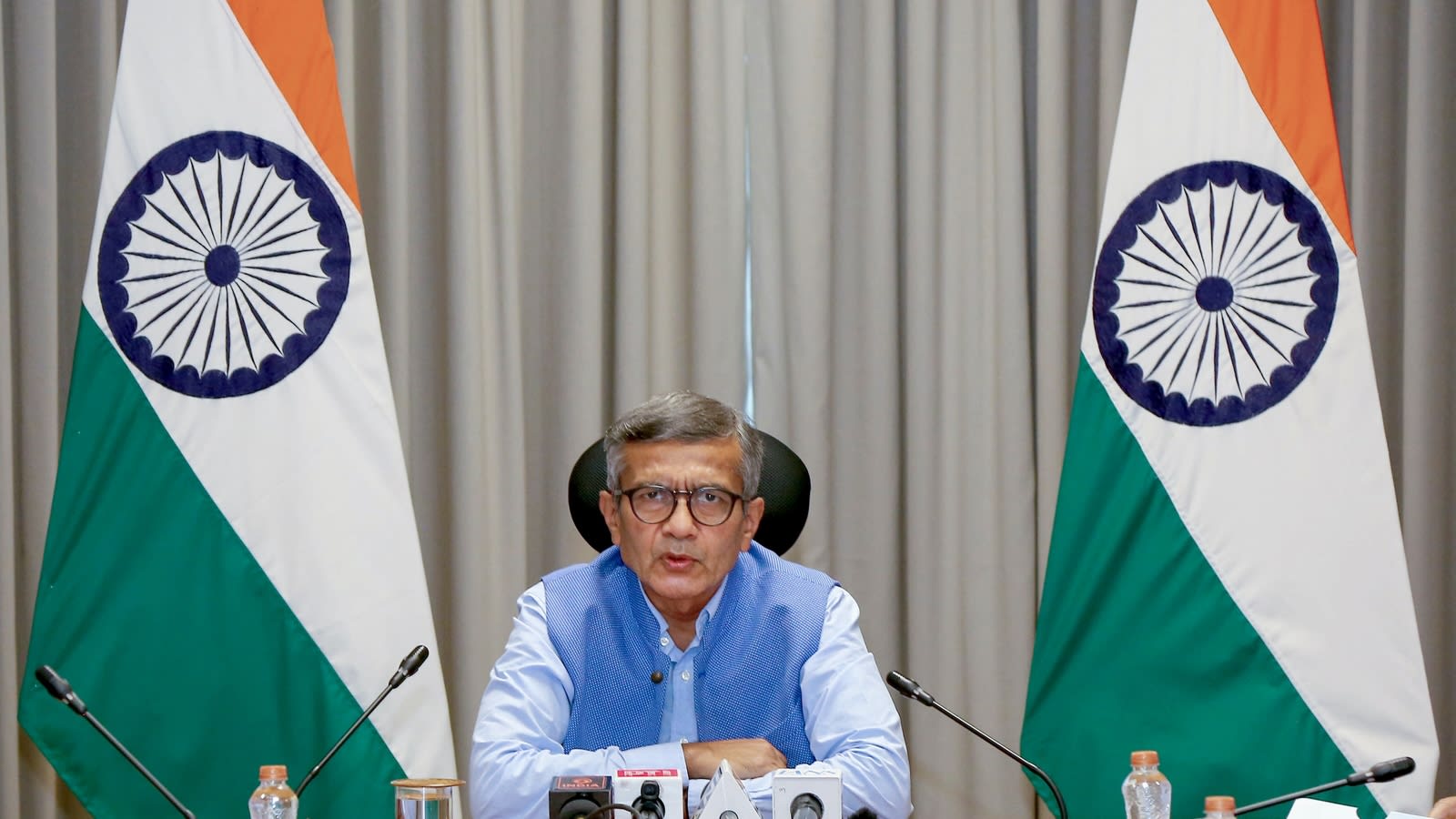
The Indian government has extended Defence Secretary Rajesh Kumar Singh's tenure by one year, keeping him in the role until October 31, 2027. This decision highlights his critical role in advancing indigenous defence manufacturing and streamlining DRDO reforms.
Strategic Continuity in India's Defence Sector
The decision by the Narendra Modi government to extend the tenure of Defence Secretary Rajesh Kumar Singh by one year signifies a strategic emphasis on administrative stability and the continuity of long-term reforms. Serving as a 1989-batch IAS officer of the Kerala cadre, Singh’s leadership has been marked by a focused approach to policy implementation. By extending his term until October 31, 2027, the government aims to ensure that the ongoing structural changes within the Ministry of Defence remain on track without the disruption of a leadership transition.
Advancing the 'Aatmanirbhar Bharat' Agenda
At the core of Singh’s tenure is the aggressive pursuit of the 'Aatmanirbhar Bharat' (Self-Reliant India) initiative. His work, particularly in transitioning the defence sector toward indigenous production, has been pivotal. Before his current appointment, Singh served as the Secretary for the Department for Promotion of Industry and Internal Trade (DPIIT) from April 2023 to August 2024, a role that likely provided him with the necessary expertise to bridge the gap between industrial policy and defence procurement needs. This background has been instrumental in his efforts to reduce India's reliance on foreign military hardware.
Reforms in the DRDO and Private Sector Integration
One of the most significant aspects of Singh’s tenure has been his role as a "taskmaster" in pushing reforms within the Defence Research and Development Organisation (DRDO). Historically, the DRDO has faced criticism regarding project delays and bureaucratic lethargy. Singh has reportedly pushed for speedier decision-making processes, aiming to modernize the organization's output. Furthermore, his active push to open conventional missile manufacturing to the private sector represents a paradigm shift, moving the nation away from a state-monopoly model toward a more collaborative industrial ecosystem.
Historical Context and Administrative Impact
Having taken charge as the 40th defence secretary on November 1, 2024, Singh stepped into a role that requires balancing complex geopolitical requirements with internal administrative efficiency. The extension, granted just a week before his original two-year tenure was set to expire, underscores the government's confidence in his ability to manage the delicate interplay between military preparedness and industrial policy. This move is consistent with the current administration's trend of retaining senior bureaucrats who demonstrate efficacy in executing high-priority national security projects.
Future Trends and Strategic Implications
Looking ahead, the extension suggests that the government is prioritizing the completion of major procurement and manufacturing milestones over the next three years. As the defence ministry continues to integrate private sector players into missile production and other critical technologies, Singh’s continued presence will likely serve as a stabilizing force for investors and domestic manufacturers alike. The focus will remain on accelerating the pace of modernization, ensuring that the DRDO’s research capabilities are effectively translated into deployable assets for the armed forces.
Conclusion
The one-year extension of Defence Secretary Rajesh Kumar Singh is a clear indicator of the government's commitment to its current trajectory of defence indigenization. By maintaining a steady hand at the helm of the ministry, the administration is positioning itself to achieve long-term goals related to self-reliance and technological sovereignty, ultimately strengthening India's strategic posture in an increasingly competitive global landscape.
Multiple Citing Sources
Verification Required?