Link health risks to pollution plan, not just AQI: WHO chief Swaminathan
Source Entity
Anuradha Mascarenhas
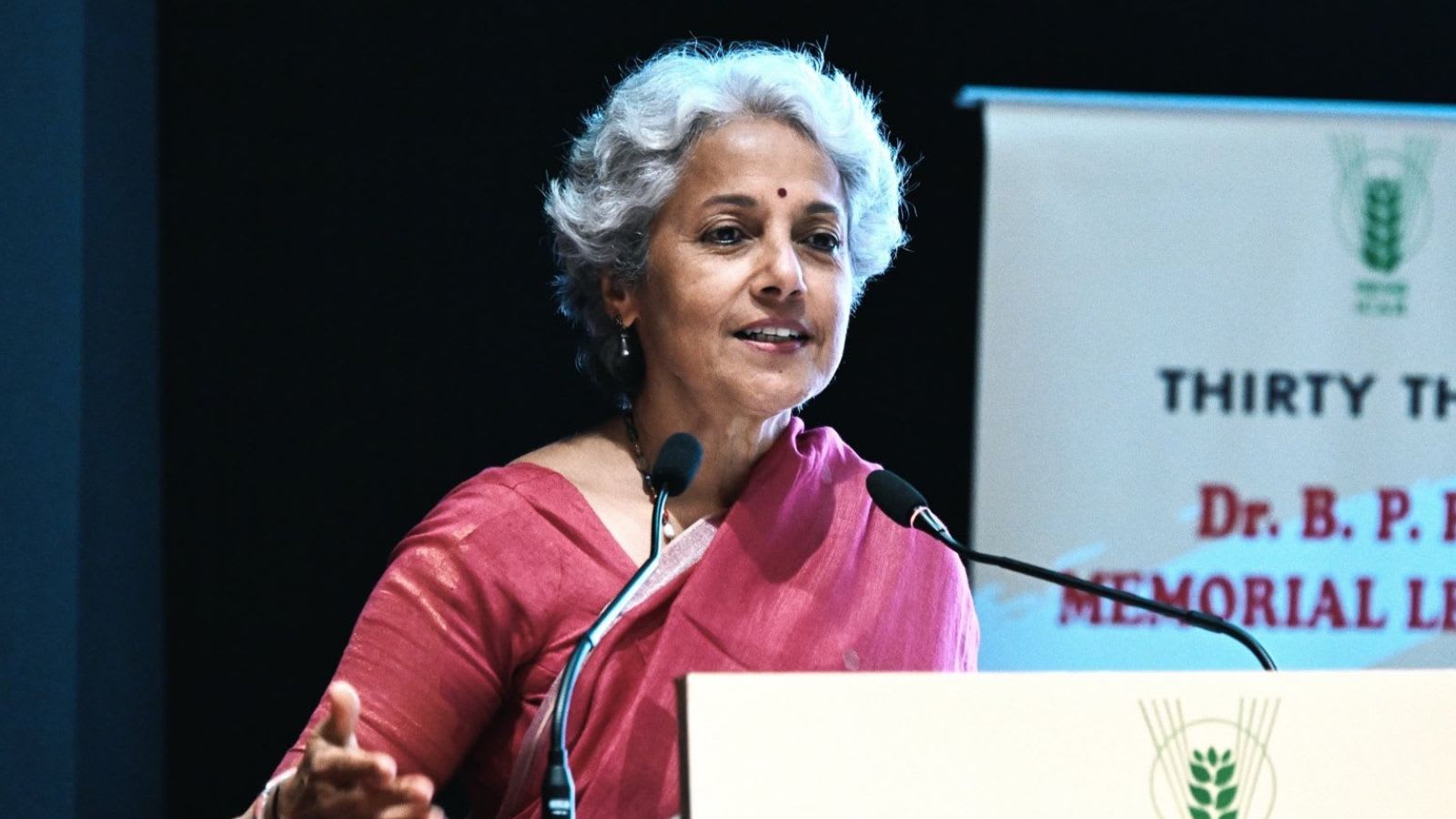
Delhi's worsening air quality is driving professional migration and causing severe health crises, particularly for children. Experts urge a shift in policy from mere monitoring to linking pollution data with direct health outcomes.
The Silent Exodus: How Delhi’s Pollution is Reshaping Life and Labor
Delhi-NCR remains a primary economic engine for India, attracting a vast influx of professionals and entrepreneurs seeking career growth. However, this demographic magnetism is increasingly countered by a deteriorating environmental reality. Persistent air pollution, characterized by hazardous dust levels and toxic smog, has evolved from a seasonal inconvenience into a fundamental 'deal-breaker' for the city’s workforce, forcing a reconsideration of long-term residency.
The Economic Toll on Human Capital
Recent data from a June 2026 Adecco India report highlights the tangible business impact of this environmental crisis. Surveying 1,044 employers, the report reveals that pollution, alongside traffic and flooding, is actively hindering talent acquisition and retention. With 68% of services-sector employers and 67% of IT firms in the region reporting moderate to severe hiring challenges, it is clear that the 'Delhi brand' is suffering. This suggests that the cost of doing business in Delhi-NCR now includes the systemic risk of losing top-tier talent to cities that promise a higher quality of life.
Moving Beyond the AQI: A Call for Health-Centric Policy
Dr. Soumya Swaminathan, former WHO chief scientist, argues that India’s current approach to air quality management is insufficient. The National Clean Air Programme (NCAP) currently relies heavily on the Air Quality Index (AQI), which often aggregates pollutants into a single number based on the highest concentration. Dr. Swaminathan posits that this method masks the nuanced, distinct health risks posed by specific particles like PM2.5, PM10, and ozone. A shift toward correlating pollution data with specific medical outcomes is essential for public awareness and effective policy intervention.
The Human Cost: Vulnerability in Nizamuddin Basti
The statistics of business and policy find their most heartbreaking expression in the daily lives of Delhi’s residents. In areas like Nizamuddin Basti, the health crisis is immediate and visceral. The story of nine-month-old Ibrahim, who suffers from persistent, hollow-sounding coughs exacerbated by the city's toxic air, serves as a grim indicator of the environmental burden placed on the most vulnerable. For families unable to afford home-based medical equipment like nebulizers, the daily trek to clinics for treatment has become a necessary, yet exhausting, routine.
The Intersection of Health and Migration
There is a profound disconnect between the professional class, who possess the mobility to leave the city, and the working-class populations who remain trapped in the epicenter of the crisis. While professionals weigh the loss of networks against the gain of clean air, residents in areas like Nizamuddin Basti bear the physical consequences of the same environment. This creates a dual-layered crisis: a 'brain drain' of human capital for the city's economy and a deepening public health emergency for its permanent residents.
Future Trends and Outlook
Looking ahead, the sustainability of Delhi-NCR as a premier business hub depends on its ability to mitigate environmental health risks. If the trend of professional out-migration continues, the city risks a stagnation of its competitive edge. Future policy must prioritize the integration of health metrics into environmental strategy, as suggested by experts like Dr. Swaminathan, while also addressing the infrastructural deficits—such as open drains and waste management—that exacerbate the localized impact of pollution. Without such comprehensive reform, the city's growth trajectory may be fundamentally altered by the very environment that once supported its expansion.