Anti-Pollution Curbs Return To Delhi: Why Reactive Bans Can't Fix Air Crisis
Source Entity
NDTV News Search Records Found 1000
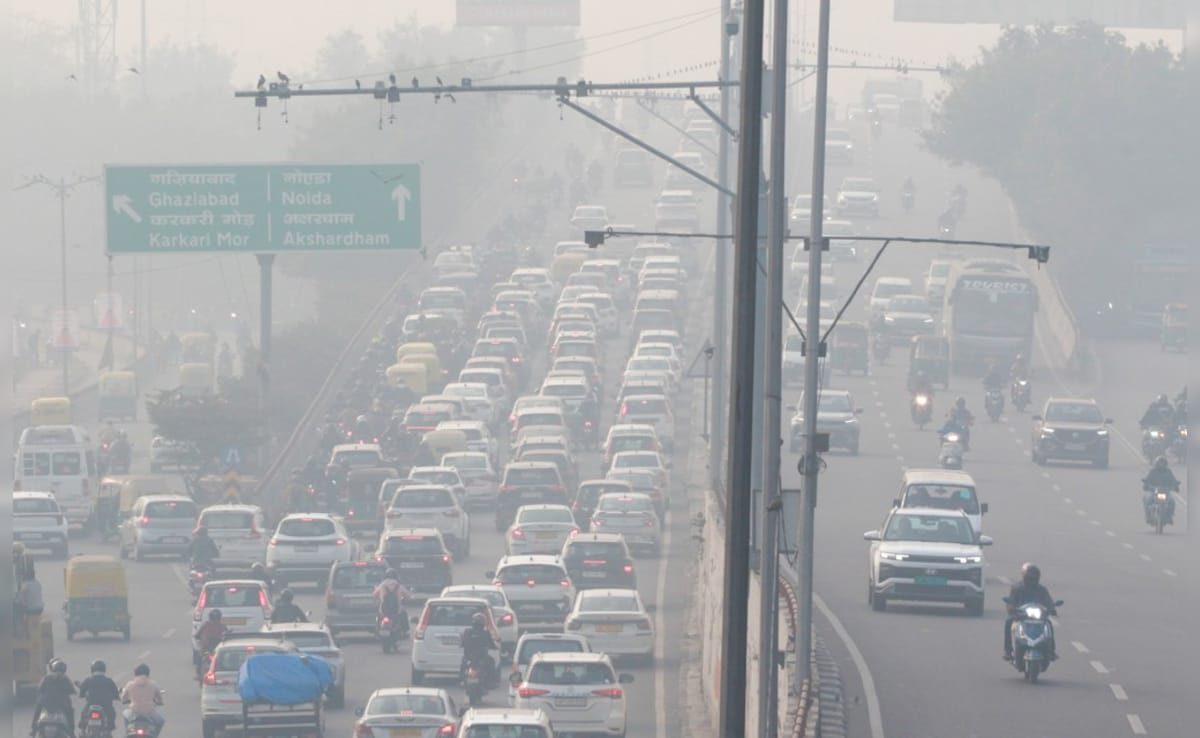
Delhi has reinstated anti-pollution curbs under the Graded Response Action Plan (GRAP) to combat seasonal air quality spikes. Experts argue that these reactive measures are insufficient for long-term air quality management and call for more sustainable policy interventions.
The Resurgence of GRAP: A Temporary Fix for a Chronic Crisis
As winter approaches, the National Capital Region of Delhi is once again grappling with deteriorating air quality, leading to the immediate implementation of the Graded Response Action Plan (GRAP). While these emergency measures are designed to mitigate the most severe spikes in particulate matter, they remain a reactive tool rather than a comprehensive solution. The recurring nature of these curbs highlights a systemic failure to address the root causes of pollution before they reach crisis levels.
The Limitations of Reactive Governance
The fundamental issue with relying on GRAP is its nature as a 'firefighting' mechanism. By focusing on temporary bans—such as restricting construction activities or limiting vehicular movement—authorities address the symptoms of air pollution rather than the underlying drivers. Experts have long argued that a plan triggered only when air quality reaches 'severe' categories acts as a palliative measure, failing to provide the structural change required to improve the city's baseline air quality throughout the year.
Historical Context and Structural Challenges
Historically, Delhi’s air crisis is compounded by a complex interplay of geography, meteorology, and seasonal agricultural practices. During the winter months, temperature inversions trap pollutants near the ground, while regional biomass burning and vehicular emissions exacerbate the toxicity of the air. GRAP, while necessary for preventing acute health emergencies, lacks the teeth to influence these broader, year-round environmental factors, effectively keeping the city in a cycle of seasonal panic followed by policy dormancy.
Economic and Social Implications
Every time GRAP is enforced, there are significant economic repercussions, particularly for the construction sector and small-scale industries. These sudden bans often disrupt livelihoods and supply chains without offering long-term alternatives for cleaner operations. The social cost is equally high, as residents face recurring health risks that demand proactive, rather than reactive, policy planning. The reliance on bans creates a 'stop-start' economic environment that is both unsustainable for the city's growth and insufficient for public health.
Looking Toward Sustainable Solutions
To move beyond the current impasse, policymakers must prioritize systemic reforms over temporary restrictions. This includes investing in large-scale public transport infrastructure, transitioning to cleaner energy sources for industries, and implementing regional cooperation to manage crop residue burning. Unless the focus shifts toward permanent mitigation strategies—such as upgrading emission standards and improving waste management—Delhi will remain trapped in a cycle of periodic, high-stakes interventions that fail to deliver clean air as a standard, rather than an exception.
Verification Required?