Held in hands, fired from balconies: Thane’s rocket ban is a Maharashtra first
Source Entity
Nayonika Bose
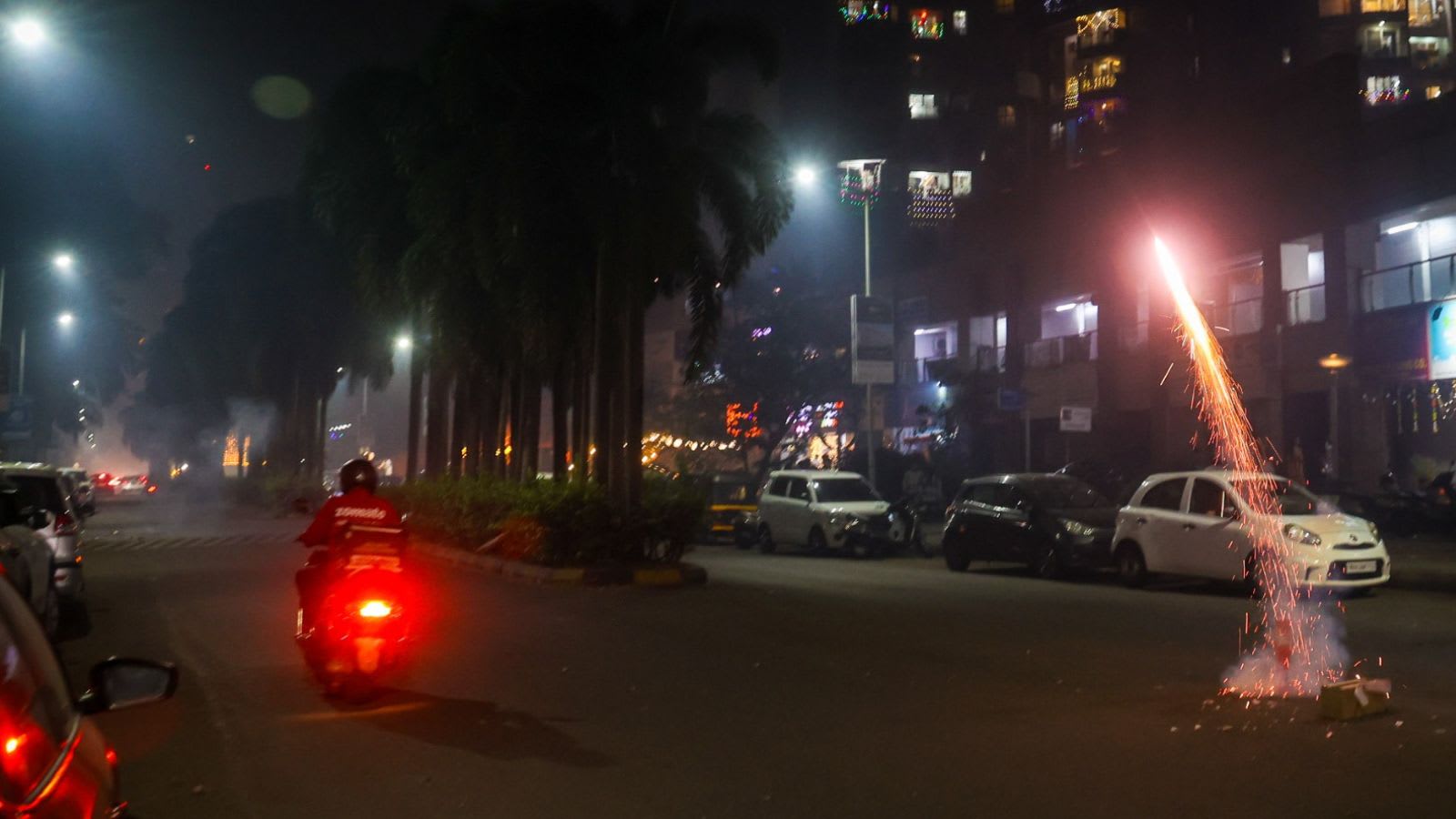
Delhi is grappling with its worst air quality in a decade this Diwali, as a combination of farm fires and firecracker emissions creates a toxic haze. With AQI levels crossing into the 'severe' category, authorities warn that stagnant wind conditions will likely keep pollution levels dangerously high.
Delhi’s Atmospheric Crisis: A Decade-High Pollution Peak
Delhi has entered the festival of lights under a shroud of toxic smog, marking its worst air quality on the eve of Diwali in ten years. As of Sunday, November 8, the city’s Air Quality Index (AQI) stands at 383, teetering on the edge of the 'severe' classification. This alarming milestone is not an isolated event but the culmination of several compounding environmental factors that have turned the capital into a gas chamber.
The Confluence of Contaminants
The primary drivers of this crisis include a significant spike in farm fires across Punjab and Haryana, which have reached their highest seasonal levels. Data from ISRO satellites has confirmed a ten-day streak of increasing agricultural residue burning. When these particulate emissions drift toward Delhi, they collide with local urban pollutants—specifically the massive surge in firecracker usage observed on the festival eve. In residential hubs like Punjabi Bagh, PM2.5 levels were recorded tripling within a single hour, illustrating the immediate, localized impact of fireworks on air quality.
Meteorological Stagnation
Beyond the emission sources, the geography and meteorology of the National Capital Region (NCR) are playing a detrimental role. Weak, calm winds have failed to disperse the accumulated pollutants. The 'perfect storm' is created by these stagnant conditions, which effectively trap particulate matter near the ground. Forecasts from the Air Quality Early Warning System (EWS) suggest that this lack of ventilation will persist, likely pushing the overall AQI into the 'severe' category (above 400) throughout November 8 and 9.
Spatial Distribution of Risk
Pollution is not uniform across the city, yet the data shows widespread degradation. Monitoring stations such as Jahangirpuri have recorded AQI levels as high as 450, with other critical zones like RK Puram, Bawana, and IIT Delhi reporting readings well above 440. Even areas like India Gate, often considered central, are languishing in the 'very poor' category. With 24 out of 54 monitoring stations reporting 'severe' air quality, the health risk to the general population, particularly vulnerable groups, is extreme.
Broad Implications and Future Trends
This event highlights the systemic difficulty in managing Delhi's air quality, where local festivities exacerbate broader regional agricultural practices. The historical context—being the worst Diwali eve in a decade—suggests that current mitigation strategies are failing to offset the combined impact of seasonal crop burning and urban human activity. Moving forward, unless there is a significant change in meteorological patterns or a drastic reduction in emission sources, the 'severe' air quality trend is expected to continue, posing long-term public health challenges for the city’s millions of residents.
Multiple Citing Sources