GRAP Stage III revoked as AQI improves, but relief may be short-lived
Source Entity
Alok Singh, Sophiya Mathew
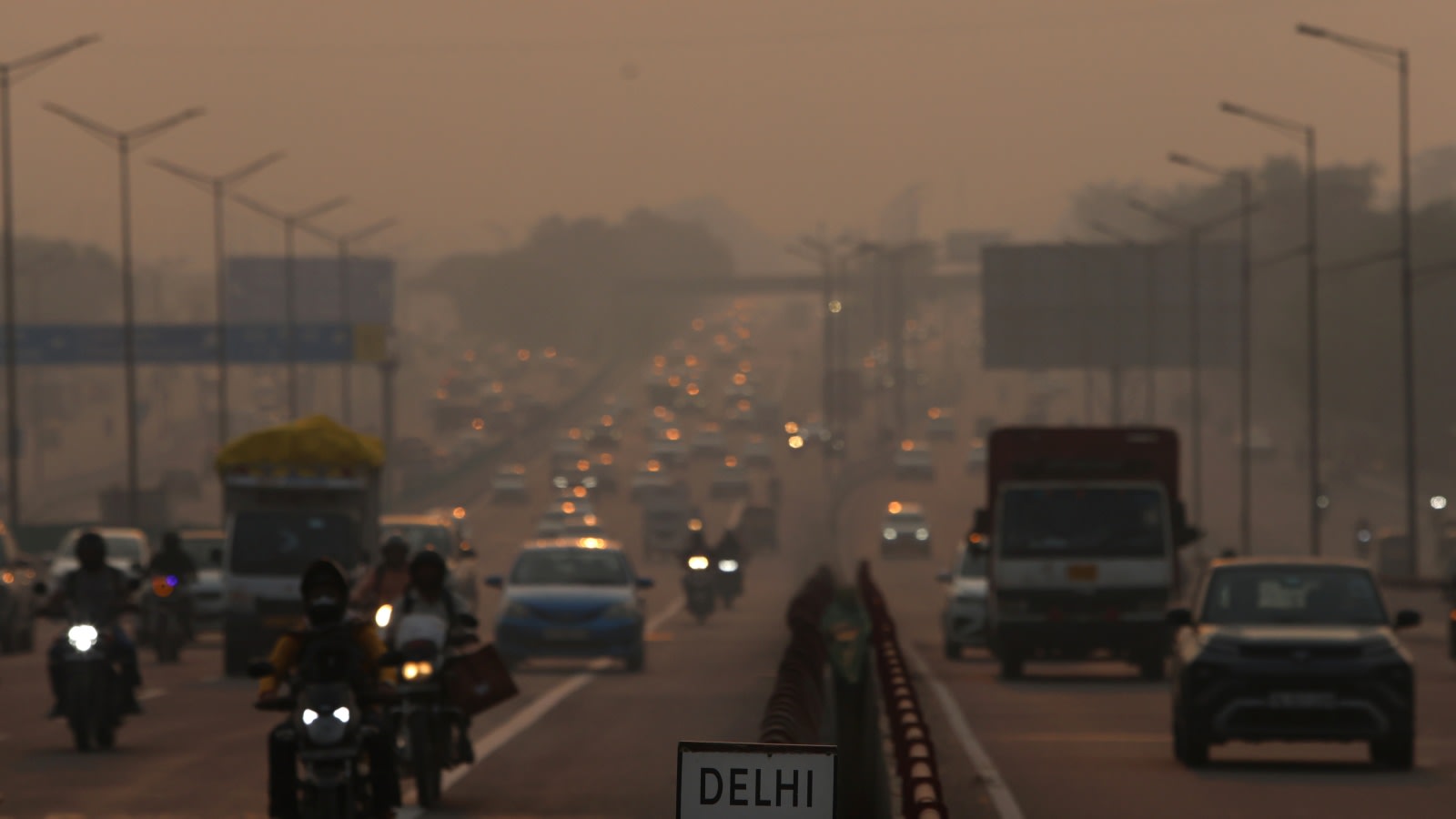
The CAQM has revoked Stage III of the Graded Response Action Plan in Delhi following an improvement in AQI levels. Despite this relief, experts warn that declining wind speeds and cooling temperatures could lead to a rapid deterioration in air quality.
Delhi's Air Quality Shift: A Temporary Respite
The Commission for Air Quality Management (CAQM) recently revoked Stage III of the Graded Response Action Plan (GRAP) following a significant improvement in Delhi’s Air Quality Index (AQI). After enduring nearly 10 days of 'Severe' and 'Very Poor' air quality, the city transitioned into the 'Moderate' category, with readings dropping to 198 as of Tuesday evening. This revocation marks a pivotal moment in managing the capital’s recurring winter pollution crisis, which had triggered stringent restrictions since November 6.
Historical Context and Recent Trends
Interestingly, the period between November 1 and 15—traditionally the most hazardous window for Delhi’s air quality—saw a notable departure from historical trends. For the first time since 2015, the national capital recorded zero 'severe' AQI days during this two-week stretch. Data suggests that average pollution levels were lower than those recorded in 2023 and remained comparable to 2022 figures. This shift is attributed to a combination of favorable meteorological conditions and the robust implementation of GRAP regulations.
The Meteorological Connection
While the current improvement is a welcome development, the India Meteorological Department (IMD) has issued a cautious outlook. The relief is expected to be short-lived as wind speeds are forecasted to drop to approximately 10 kmph in the coming days. Lower wind speeds historically inhibit the dispersion of pollutants, often leading to a rapid accumulation of particulate matter in the lower atmosphere, which could quickly push the AQI back into hazardous territory.
Impact of Seasonal Temperature Drops
The arrival of winter has further complicated the environmental landscape. On Tuesday, Delhi recorded its coldest morning of the season, with the mercury at Safdarjung dipping to 11.6 degrees Celsius—0.7 degrees below the seasonal normal. Other stations like Palam and Lodhi Road also mirrored this cooling trend. As temperatures drop, the atmosphere experiences thermal inversion, trapping pollutants near the surface and exacerbating the health risks associated with poor air quality.
Regional Variations in Air Quality
The air quality situation remains geographically uneven across the National Capital Region (NCR). While Delhi, Noida, and Ghaziabad reported 'Moderate' readings, neighboring hubs like Gurugram and Faridabad were still grappling with 'Poor' air quality. These discrepancies highlight the localized nature of pollution sources and the varying effectiveness of mitigation strategies implemented across different municipal jurisdictions.
Looking Ahead
The outlook for the remainder of the season remains uncertain. With a maximum temperature of 27 degrees Celsius and forecasts of moderate fog, the combination of stagnant air, falling temperatures, and high moisture levels could create a 'pollution trap.' Authorities remain on high alert, as the delicate balance between industrial activity, vehicular movement, and weather patterns will dictate whether the city can maintain these current improvements or if a return to stricter GRAP stages is imminent.