Delhiwale: Auto biennale Delhi 2026
Source Entity
Latest News: Todays Latest News Headlines from India & World | Hindustan Times | Hindustan Times
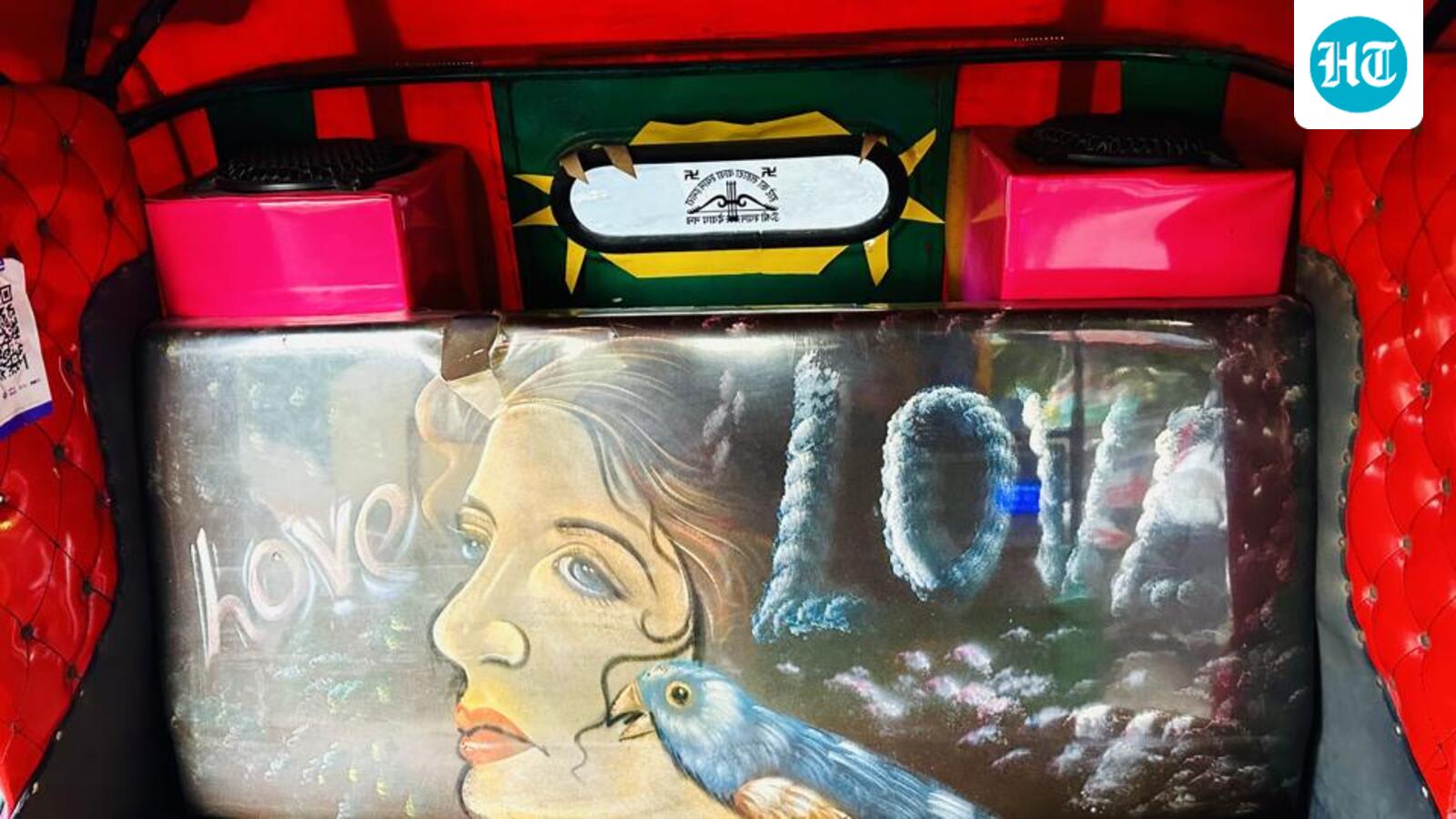
Delhi's autorickshaws serve as mobile art galleries, showcasing unique passenger seat illustrations that reflect local culture. This phenomenon highlights a grassroots 'biennale' that transforms everyday transit into a creative experience.
The Mobile Artistry of Delhi’s Autorickshaws
In the bustling, smog-filled streets of Delhi, a unique form of cultural expression has taken root within the confines of the city's ubiquitous autorickshaws. Beyond their primary function as transit vehicles, these three-wheeled machines have become canvases for intricate illustrations. A recent observation highlights an auto where the passenger seat backrest features a painting of another autorickshaw, complete with the iconic yellow roof and green body, effectively creating a meta-narrative of urban life in motion.
A Grassroots Biennale on Wheels
This artistic trend is far from an isolated incident. Experts and observers have described this phenomenon as a "mobile biennale," a decentralized and constantly moving exhibition that navigates the city's traffic-clogged arteries daily. Unlike traditional art galleries that occupy fixed, formal spaces, this biennale is accessible to every commuter, turning a mundane trip into an encounter with local folk art and personal expression.
Thematic Diversity and Cultural Context
Historical surveys of this trend reveal a wide array of visual themes. The passenger seats often serve as a display for romantic imagery, including hearts and pining lovers, as well as depictions of iconic landmarks like the Taj Mahal. Furthermore, idealized landscapes, such as mountain vistas, frequently adorn the interiors, providing a stark, imaginative contrast to the reality of Delhi’s dense urban environment.
The Intersection of Utility and Expression
These illustrations are more than mere decoration; they are a testament to the driver's desire to personalize their workspace and provide a distinct experience for their passengers. By integrating art into the fabric of daily transit, these drivers contribute to the city’s vibrant, albeit chaotic, visual landscape. The act of painting an auto on an auto—a recursive artistic choice—signals a self-awareness of their role in the city's identity.
Future Trends in Urban Folk Art
Looking forward, the persistence of this mobile biennale suggests that despite the rapid modernization of transport and the potential for digital interfaces in vehicles, the desire for tactile, hand-painted art remains strong. As long as the autorickshaw remains the heartbeat of Delhi’s transit system, these mobile galleries will likely continue to evolve, reflecting the changing tastes, emotions, and cultural preoccupations of the people who operate and ride them.
Conclusion
The autorickshaw art of Delhi represents a fascinating intersection of public transport and human creativity. By transforming the interior of a vehicle into a gallery, these drivers offer a glimpse into the soul of the city. This ongoing exhibition serves as a reminder that culture is not just found in museums, but in the everyday objects that carry us through our lives.
Verification Required?