Four killings, one capture bid — then the tigress died
Source Entity
Ankita Deshkar
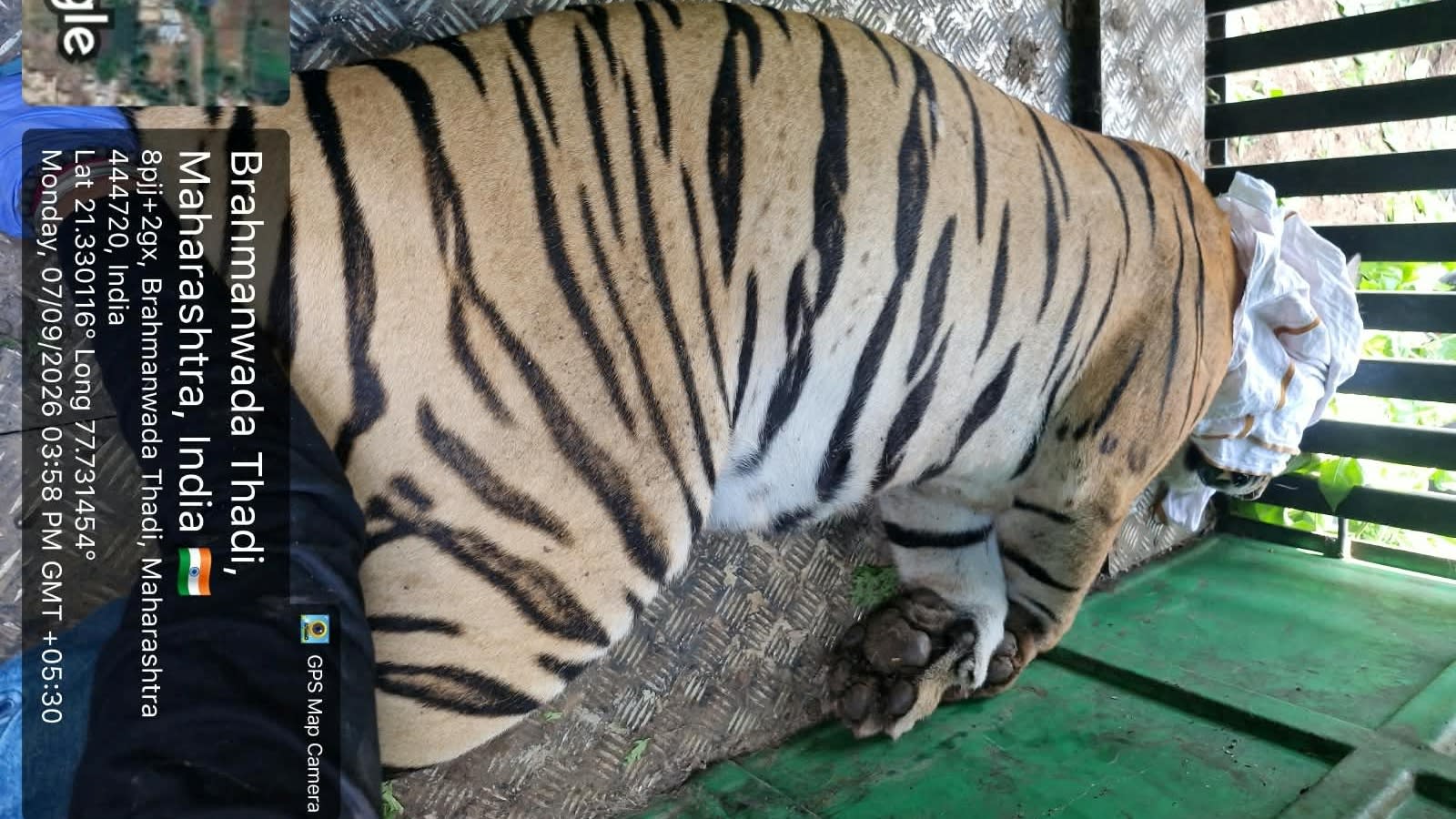
A tigress linked to four human fatalities in Amravati and Wardha died following a complex tranquilization operation. Investigations are now focused on the administration of multiple sedatives and potential procedural failures during the capture attempt.
The Tragic End of a Conflict-Linked Tigress
A recent operation to capture a tigress—suspected of being responsible for four human deaths across the Amravati and Wardha regions—has ended in the animal's death, sparking a critical review of wildlife management protocols. The incident, which occurred in the Shirajgaon Kasba village, highlights the high-stakes nature of human-wildlife conflict resolution and the precarious balance between public safety and the conservation of endangered species.
The Sequence of the Operation
According to reports, the operation saw multiple attempts to immobilize the animal. Initially, the tigress was darted twice with a combination of Xylazine and Ketamine. When the feline continued to move despite the first round of sedation, a specialized rescue team from Pune was summoned to assist. The team administered Medetomidine, which eventually led to the animal’s immobilization. However, her health rapidly declined thereafter, leading to her death while under subsequent medical care.
Critical Questions Regarding Sedation Protocols
The primary point of contention currently surrounding this case is the pharmacological approach taken by the rescue teams. Critics and experts are questioning the cumulative effect of using multiple potent sedatives in rapid succession. The administration of varied chemical agents like Xylazine, Ketamine, and Medetomidine requires precise dosage control, and the potential absence of immediate reversal agents at the site of capture has emerged as a significant point of concern for wildlife veterinarians and conservationists.
The Human-Wildlife Conflict Context
This event is not an isolated incident but a symptom of the broader, escalating human-wildlife conflict in India. As habitats shrink and human settlements expand, encounters between apex predators and local communities have become more frequent. The pressure on the Forest Department to neutralize 'problem' animals often pits the mandate of wildlife preservation against the urgent need to protect human life, creating a volatile environment where even well-intentioned rescue operations carry high risks of failure.
Future Implications for Wildlife Management
The death of the tigress serves as a somber reminder of the need for standardized, state-of-the-art protocols during capture missions. Moving forward, the investigation into this incident will likely necessitate a review of the availability of emergency medical supplies, the training of field personnel, and the decision-making hierarchy during high-stress operations. Ensuring that rescue teams are equipped with both the necessary expertise and a robust supply of reversal medications will be paramount to preventing similar losses in the future.
Conclusion
While the Forest Department has yet to formally confirm an overdose as the definitive cause of death, the scrutiny surrounding the tranquilization process is warranted. As authorities conduct their post-mortem analysis, the findings will be critical in shaping how the state manages such high-conflict scenarios. Balancing the safety of villagers with the ethical treatment of wildlife remains a complex challenge that requires both transparency in operations and a commitment to evolving best practices in veterinary intervention.