Delhi breathes worst air on Diwali eve in 10 years
Source Entity
Latest News: Todays Latest News Headlines from India & World | Hindustan Times
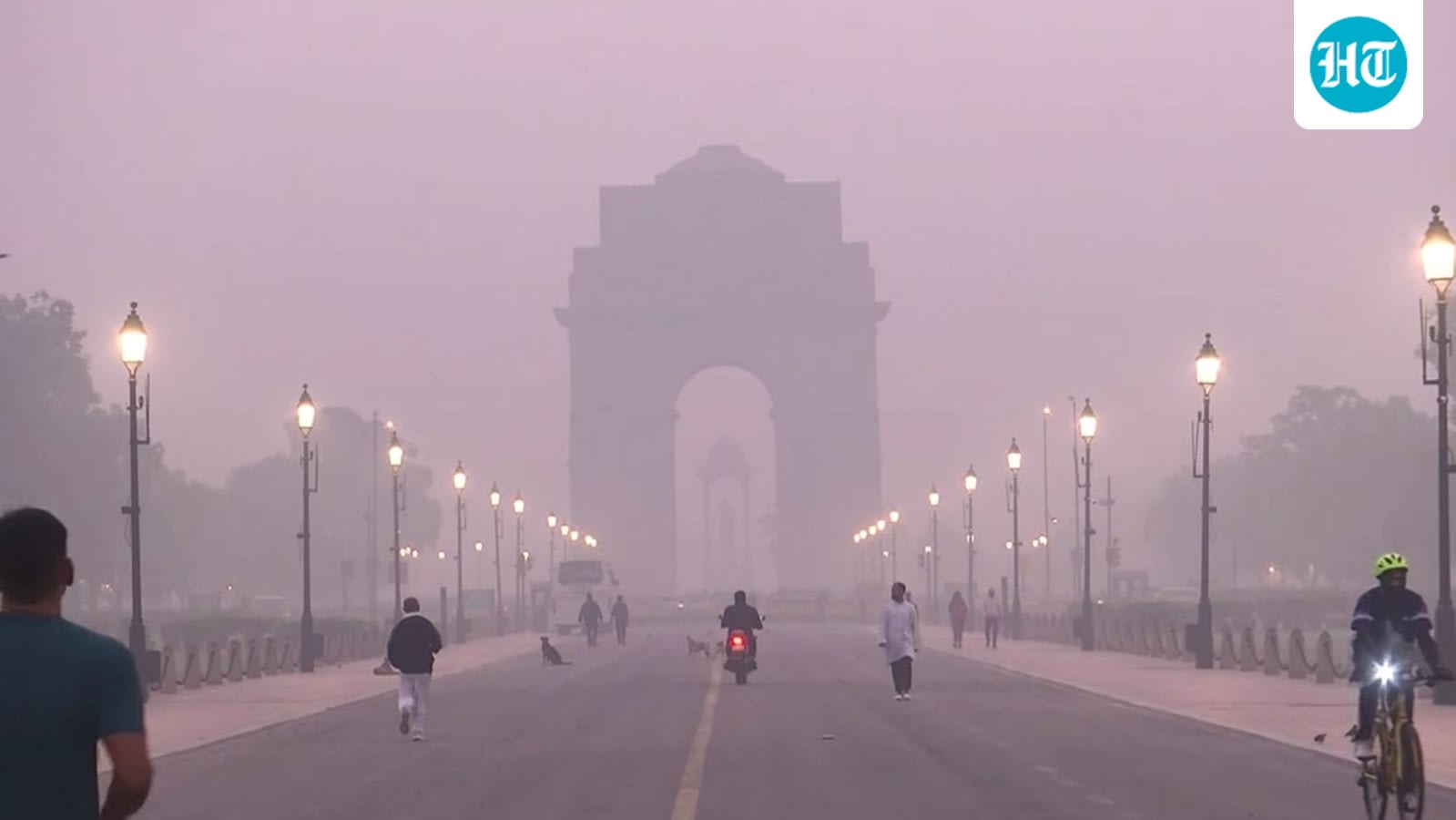
Delhi is grappling with its worst air quality in a decade this Diwali, as a combination of record farm fires and calm winds pushes the AQI into the 'severe' category. Multiple monitoring stations have recorded dangerous PM2.5 levels, signaling a public health crisis for the national capital.
A Decade of Toxic Air: Delhi’s Diwali Crisis
Delhi has entered a period of unprecedented environmental distress, marking the eve of Diwali with its worst air quality in a decade. The national capital woke up to a thick, toxic haze on Sunday, with the Central Pollution Control Board (CPCB) recording an overall Air Quality Index (AQI) of 383. This alarming figure places the city on the precipice of the 'severe' category, a threshold defined at an AQI of 401, which authorities warn will likely be breached as the festival progresses.
The Anatomy of the Pollution Spike
The deterioration of Delhi's air is not a singular event but the result of a 'perfect storm' of meteorological and human-induced factors. On Saturday, farm fires in the neighboring states of Punjab and Haryana reached their highest count of the season. Data from ISRO satellites confirmed a steady increase in these fires for ten consecutive days. When combined with ground winds that fell calm after sunset, the region lost its ability to disperse pollutants, effectively trapping the particulate matter over the city.
Hyper-Local Impacts and Residential Exposure
The crisis is not distributed evenly, with specific residential pockets experiencing acute spikes in toxicity. In areas like Punjabi Bagh, PM2.5 levels nearly tripled within a single hour on the eve of the festival. Monitoring stations across the city reveal a grim reality: out of 54 locations, 24 have already crossed into the 'severe' zone. Jahangirpuri reported the highest AQI at 450, followed closely by RK Puram and Bawana, highlighting the severe health risks faced by residents in these dense urban environments.
Meteorological Constraints and Human Activity
Compounding the agricultural burning is the local contribution of firecracker usage. Within two hours of the initial window for lighting firecrackers on the eve of Diwali, the city's air quality worsened by 30% compared to the previous night. The forecast for the coming days remains bleak; meteorologists suggest that weak wind speeds will continue to prevent the dispersion of smoke, leaving the capital suffocated under a blanket of stagnant, polluted air.
Future Trends and Health Implications
The Air Quality Early Warning System (EWS) for Delhi paints a concerning picture for November 8 and 9, predicting that the 'severe' category will persist. This trend underscores a chronic struggle for the capital, where seasonal changes in wind patterns consistently collide with high-emission activities. As the city continues to navigate this environmental challenge, the recurring nature of these 'severe' air days suggests that without significant shifts in agricultural practices and regional air quality management, the health of millions remains in jeopardy during the festive season.
Multiple Citing Sources
Verification Required?